Categories
OXYGEN

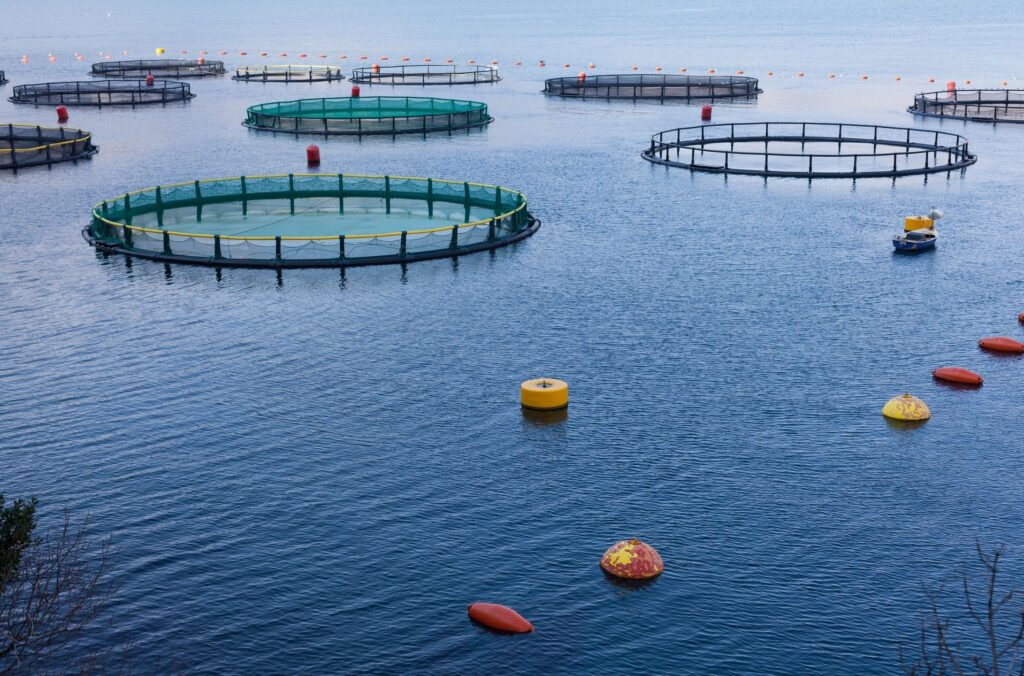
OPTIMIZING AQUACULTURE SUCCESS: THE VITAL ROLE OF OXYGEN GAS IN FISH FARMING AND AQUACULTURE

Aquaculture industry, where the delicate balance of water quality directly influences the health and growth of aquatic organisms, the role of oxygen gas cannot be emphasized enough. Oxygen is not only essential for the respiration of fish but also plays a crucial role in maintaining optimal water quality parameters. The strategic use of oxygen gas in fish farming and aquaculture represents a cornerstone of modern aquaculture practices. By ensuring adequate oxygenation, fish farmers can create optimal conditions for fish growth, health, and overall farm productivity. As the aquaculture industry continues to expand to meet growing global demands for seafood, the effective management of dissolved oxygen levels will remain paramount in ensuring the sustainability and success of fish farming operations.

The importance of Oxygen in Aquaculture:

Oxygen is fundamental for the survival of all aquatic organisms, including fish. In a closed aquaculture system, such as tanks or ponds, the dissolved oxygen (DO) levels can fluctuate due to various factors, including stocking density, temperature, and organic load. Insufficient oxygen levels can lead to stress, reduced growth rates, and increased susceptibility to diseases among fish populations. By supplementing oxygen gas into the aquaculture system, farmers can actively manage and optimize DO levels, thereby enhancing the overall health and productivity of their fish stocks. This proactive approach not only mitigates the risks associated with oxygen depletion but also creates an environment conducive to improved feed conversion rates and accelerated growth.

Techniques for oxygenation in Aquaculture:

Several techniques are employed to introduce oxygen gas into aquaculture systems, ranging from simple aeration to sophisticated oxygenation systems. Aeration, which involves the agitation of water to facilitate gas exchange at the water surface, is commonly used in small-scale operations and extensive pond systems. In contrast, more advanced methods such as oxygen injection systems utilize specialized equipment to directly infuse oxygen gas into the water column, ensuring precise control over dissolved oxygen levels. These systems offer greater efficiency and flexibility, particularly in intensive recirculating aquaculture systems (RAS) where space and water quality management are critical.

Some of the Fish Breeds Benefitting from Oxygenation:

Various fish breeds exhibit enhanced growth rates, improved feed conversion efficiencies, and overall better health outcomes when reared under oxygen-enriched conditions. Some notable species that particularly benefit from oxygenation in aquaculture include:

Trout: Cold-water species like trout require well-oxygenated water to thrive. Oxygen supplementation becomes crucial, especially in intensive farming systems where water temperatures may rise, leading to decreased oxygen solubility.

Salmon: Salmon farming, particularly in RAS facilities, relies heavily on oxygenation to maintain water quality and support the high stocking densities characteristic of intensive production systems.

Tilapia: Tilapia are highly adaptable and fast-growing fish commonly cultivated in aquaculture. Optimal oxygen levels are essential for maximizing their growth potential and minimizing stress-related issues.

Catfish: Species such as channel catfish are popular choices in aquaculture due to their rapid growth and tolerance to a wide range of environmental conditions. Oxygenation ensures optimal growth rates and reduces the risk of disease outbreaks.

on-site oxygen gas generating systems are transforming aquaculture practices:

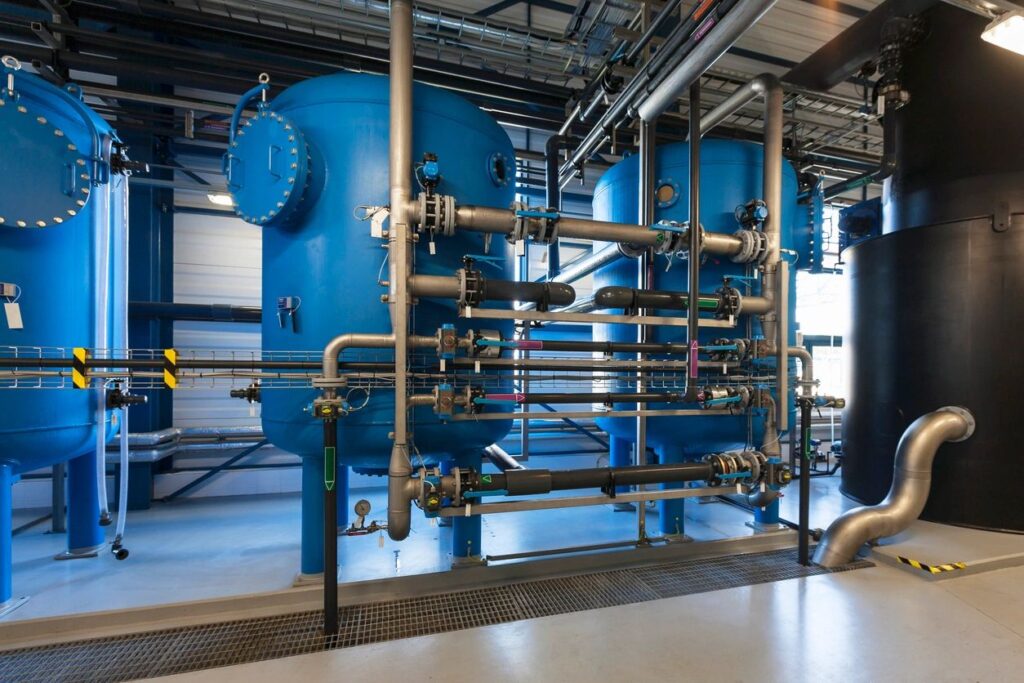
MOBILE CONTAINERIZED OXYGEN GAS GENERATING SYSTEM
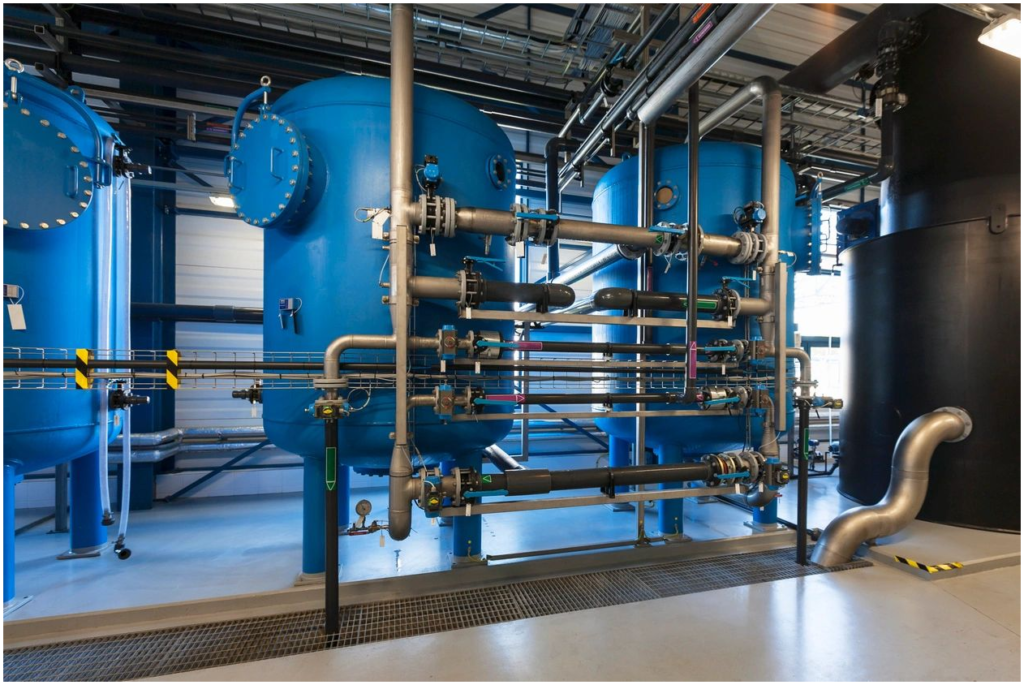
STATIONARY OXYGEN GAS GENERATING SYSTEM

On-site oxygen gas generators are revolutionizing the aquaculture industry by providing a reliable and cost-effective solution to oxygen supplementation. These generators utilize advanced PSA or VPSA technologies to produce oxygen gas directly at the aquaculture facility, eliminating the need for transportation and storage of oxygen cylinders or liquid bulk tanks. By generating oxygen on demand, fish farmers can ensure a continuous and consistent supply of oxygen to their fish tanks or ponds, regardless of location or infrastructure constraints. This flexibility enables aquaculture operations to optimize oxygen levels based on real-time monitoring, resulting in improved water quality, enhanced fish health, and increased production efficiency. Furthermore, on-site oxygen generation reduces reliance on external suppliers, mitigates logistical challenges, and lowers operational costs, making it a sustainable and environmentally friendly choice for modern aquaculture facilities.

Enquire Now

    Categories
    OXYGEN

    UNLEASHING THE POTENTIAL OF OXYGEN GAS IN WASTEWATER TREATMENT PLANTS

    Wastewater treatment is a critical process in maintaining environmental sustainability and public health. One key component of effective wastewater treatment is the use of oxygen gas. Oxygen gas plays an important role in facilitating the breakdown of organic matter, removing pollutants, and ensuring the purification of wastewater before it is released back into the environment. By harnessing the power of oxygen gas, wastewater treatment plants can achieve their objectives of protecting public health, safeguarding the environment, and promoting sustainable water management practices.

    AERATION:

    Aeration is a fundamental step in wastewater treatment where oxygen gas is introduced into the wastewater. This is typically done through mechanical aeration systems such as diffusers, aerators, or cascading water. The introduction of oxygen promotes aerobic microbial activity, facilitating the breakdown of organic pollutants present in the wastewater. As microorganisms consume organic matter, they metabolize it into simpler, less harmful substances, effectively treating the wastewater.

    aCTIVATED SLUDGE PROCESS:

    The activated sludge process is a widely used method in wastewater treatment plants that relies on the addition of oxygen gas. In this process, wastewater is mixed with a culture of microorganisms (activated sludge) in an aerated tank. The microorganisms utilize the oxygen to metabolize organic pollutants present in the wastewater, thereby reducing its pollutant load. The oxygen-rich environment promotes the growth and activity of beneficial bacteria, resulting in the decomposition of organic matter and the removal of nutrients such as nitrogen and phosphorus.

    OXIDATION:

    Oxygen gas is also utilized in wastewater treatment for oxidation purposes. Oxidation involves the chemical reaction between oxygen and various pollutants present in the wastewater, converting them into less harmful or inert substances. For example, oxygen can be used to oxidize ammonia to nitrate in a process known as nitrification, which helps in the removal of nitrogen from wastewater. Similarly, oxygen can aid in the oxidation of sulfides to sulfates, reducing the odor and toxicity associated with hydrogen sulfide in wastewater.

    ODOR CONTROL:

    In addition to its role in wastewater treatment processes, oxygen gas is also employed for odor control in wastewater treatment plants. Odor issues often arise due to the presence of sulfur compounds and other volatile organic compounds in wastewater. Introducing oxygen helps in promoting aerobic conditions, which inhibit the growth of odor-producing anaerobic bacteria and facilitate the degradation of odorous compounds. By maintaining proper aeration levels, wastewater treatment plants can effectively mitigate odor concerns, ensuring a more pleasant working environment and reducing nuisance for surrounding communities.

    Energy Efficiency & Sustainability:

    The use of oxygen gas in wastewater treatment offers several benefits in terms of energy efficiency and sustainability. Mechanical aeration systems can be designed to optimize oxygen transfer efficiency, minimizing energy consumption and operational costs. Additionally, by promoting aerobic processes, oxygenation reduces the generation of sludge and the associated costs of sludge handling and disposal. Furthermore, efficient wastewater treatment helps in preserving water quality and safeguarding ecosystems, contributing to overall environmental sustainability.

    Improving Wastewater Treatment Efficiency with Onsite Oxygen Gas Generation:

    MOBILE CONTAINERIZED ON-SITE OXYGEN GAS GENERATING SYSTEM

    STATIONARY ON-SITE OXYGEN GAS GENERATING SYSTEM

    Onsite oxygen gas generators offer a myriad of benefits for wastewater treatment processes. By producing oxygen directly at the treatment facility, these generators eliminate the need for reliance on external sources, such as oxygen cylinders or liquid oxygen tanks, thereby reducing transportation costs and logistical complexities. Moreover, onsite oxygen generation provides a continuous and reliable supply of oxygen, ensuring uninterrupted operation of aeration systems and other oxygen-dependent processes in wastewater treatment plants. This not only enhances operational efficiency but also allows for better control over oxygen levels, leading to optimized treatment performance and improved water quality. Additionally, onsite oxygen gas generators contribute to sustainability efforts by reducing energy consumption associated with oxygen production and transportation, thereby minimizing the carbon footprint of wastewater treatment operations. Overall, the integration of onsite oxygen gas generators represents a cost-effective, reliable, and environmentally friendly solution for enhancing the effectiveness and sustainability of wastewater treatment processes.

    Enquire Now

      Categories
      OXYGEN

      OPTIMIZING BIOGAS PRODUCTION WITH OXYGEN GAS

      Biogas, a renewable energy source derived from organic materials, plays a significant role in sustainable energy production. Its generation relies on the anaerobic digestion of organic matter, facilitated by microorganisms in the absence of oxygen. However, the efficient operation of biogas plants demands careful management of various factors, including the presence of oxygen. Contrary to the anaerobic conditions necessary for biogas production, controlled oxygen gas introduction can enhance the process by promoting microbial activity, reducing odors, and improving overall efficiency.

      Enhancing Microbial Activity & Optimizing Biogas Production:

      introducing controlled amounts of oxygen into the biogas digester can stimulate microbial growth and activity. This oxygen supplementation encourages the proliferation of aerobic bacteria, which synergistically work with anaerobic microorganisms to break down complex organic matter more efficiently.

      The controlled introduction of oxygen gas into biogas digesters can significantly improve biogas production rates and quality. By enhancing the breakdown of organic substrates, oxygen supplementation helps maximize methane(CH4) yields while reducing the retention time required for digestion. This optimization not only boosts the overall energy output of biogas plants but also enhances process stability and reliability.

      Biogas Production & On-Site Oxygen Gas Generation:

      CONTAINERIZED OXYGEN SYSTEM FOR BIOGAS PRODUCTION

      On-site oxygen gas generation is revolutionizing biogas generation by offering a sustainable and cost-effective solution to enhance the efficiency, reliability, and environmental performance of biogas plants. Traditionally, oxygen supplementation in biogas plants has been achieved through the purchase and delivery of compressed or liquid oxygen from external suppliers. However, this approach presents logistical challenges, transportation costs, and environmental concerns associated with the production and distribution of oxygen. On-site oxygen gas generation systems has transformed the landscape of biogas production by providing a decentralized and self-sufficient method for supplying oxygen directly at the point of use. These systems utilize advanced technologies, such as pressure swing adsorption to extract oxygen from the surrounding air and concentrate it to purity levels suitable for biogas applications.

      Several ways in which on-site oxygen gas is revolutionizing biogas production:

      Enhanced Process Control and Flexibility: On-site oxygen generation systems empower biogas plant operators with greater control over the oxygenation process. By producing oxygen on demand, operators can precisely adjust oxygen levels in the biogas digester according to fluctuating feedstock compositions, temperature variations, and microbial activity. This flexibility optimizes biogas production rates and quality while minimizing the risk of process upsets and downtime.

      Cost Savings and Operational Efficiency: On-site oxygen generation eliminates the need for external oxygen suppliers, transportation logistics, and storage infrastructure, resulting in significant cost savings for biogas plant operators. Moreover, by reducing reliance on fossil fuel-based oxygen production methods, such as cryogenic distillation, on-site generation contributes to the overall sustainability of biogas production and mitigates carbon emissions associated with transportation and industrial processes.

      Improved Reliability and Resilience: On-site oxygen generation systems enhance the reliability and resilience of biogas plants by reducing dependency on external suppliers and mitigating supply chain disruptions. By ensuring a continuous and uninterrupted supply of oxygen, even in remote or off-grid locations, these systems enhance the operational stability and performance of biogas facilities. This reliability is particularly crucial for industries reliant on continuous biogas production, such as wastewater treatment plants, agricultural facilities, and food processing facilities.

      Scalability and Customization: On-site oxygen generation systems offer scalability and customization options to accommodate the specific needs and requirements of biogas plants of varying sizes and capacities. Whether it’s a small-scale anaerobic digester or a large industrial biogas facility, on-site generation systems can be tailored to deliver the precise oxygen volumes and concentrations needed to optimize biogas production while minimizing capital investment and operating costs.

      Enquire Now