Categories
OXYGEN

WHY TWIN TOWER OXYGEN GAS GENERATORS REMAIN THE MOST PRACTICAL CHOICE FOR INDUSTRY

When it comes to on-site oxygen gas generation, the debate between traditional Twin Tower PSA (Pressure Swing Adsorption) systems and newer modular oxygen generators is gaining attention. While modular systems are marketed as the “next big thing,” plant operators, healthcare facilities, and industrial users continue to trust the time-tested twin tower PSA design. Here’s why.

Simplicity of Design

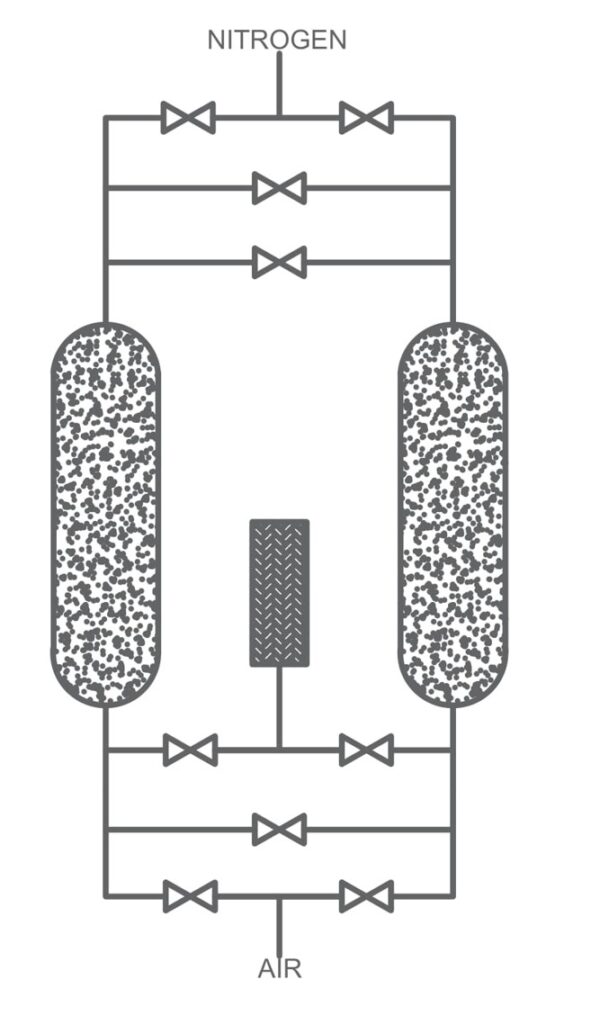
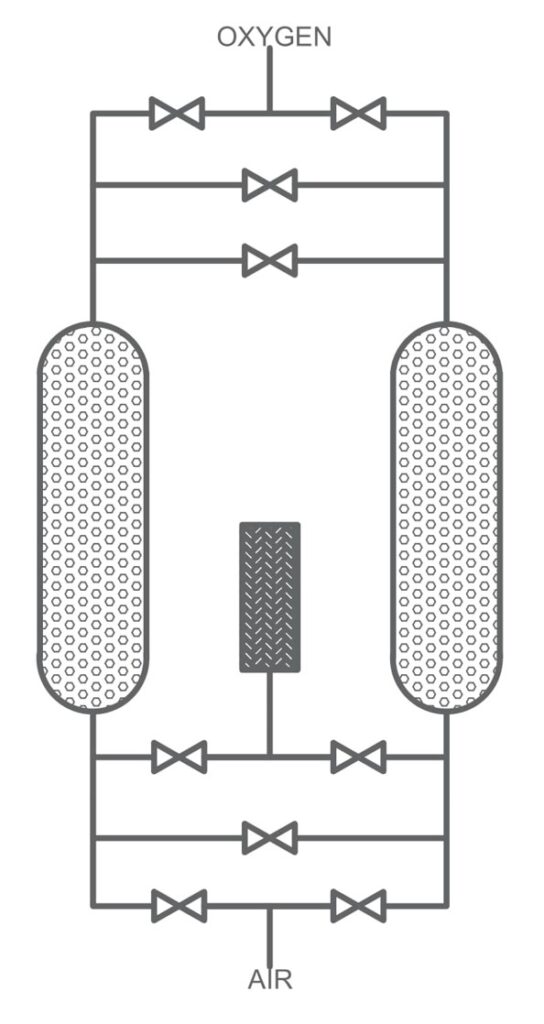
Twin tower oxygen generators use a straightforward PSA process. Two towers filled with Zeolite Molecular Sieve (ZMS) alternately adsorb nitrogen, leaving oxygen-rich gas under controlled pressure. This proven approach:

  • Has minimal moving parts.
  • Uses a predictable valve sequence.
  • Operates with standard controls that are easily understood by plant technicians.

By contrast, modular oxygen systems often use proprietary multi-chamber blocks or special cartridge-based designs. While compact, these designs complicate what was once a very simple process.

Ease of Maintenance

Oxygen PSA twin tower systems excel in serviceability:

  • Non-proprietary components: Valves, instruments, and PLCs are sourced from globally recognized brands and are readily available.
  • Open architecture: Spares can be sourced from multiple suppliers without locking into a single vendor.
  • Well-understood technology: With PSA oxygen generation in service for decades, maintenance teams worldwide are already trained.

Modular oxygen systems, on the other hand, often rely on proprietary cartridges or unique ZMS modules. If something fails, you are tied to the manufacturer, facing high spares cost, long lead times, and limited service options. Worse still, if the OEM exits the market, your oxygen plant risks becoming a stranded asset.

Handles Large Flowrates Better

Twin tower oxygen PSA systems are built for high-flow industrial and medical-grade applications:

  • They can be sized for large oxygen demands within a single robust unit.
  • Modular systems must be “stacked” together to meet higher flows, which increases footprint, complexity, and long-term costs.

This makes twin tower systems far more economical and reliable for hospitals, steel plants, aquaculture farms, and wastewater treatment facilities with significant oxygen requirements.

Reliability & Longevity

Twin tower oxygen PSA systems are engineered for continuous duty operation:

  • Lifespans of 20+ years are common with only periodic ZMS replacement and valve servicing.
  • Heavy-duty steel vessels and proven PSA cycles ensure predictable performance.

In contrast, modular systems often rely on replaceable blocks or cartridges that wear faster — forcing costly replacements instead of simple servicing.

Sustainability & Eco-Friendliness
  • PSA systems recover oxygen efficiently, minimizing compressed air waste.
  • Long service life means fewer replacements and reduced industrial waste.
  • Standard spare parts ensure continued usability, instead of scrapping entire modules.

Modular designs often require complete module replacements, generating more waste and higher lifecycle costs.

Field Expandability – Not Just for Modular Systems

A misconception is that only modular systems are scalable. In reality, twin tower PSA oxygen generators can also be expanded in the field:

  • Additional PSA units can be integrated to grow with your plant.
  • Expansion uses the same standard, non-proprietary components.

This allows cost-effective scaling without being tied into proprietary modular add-ons.

Safety & Convenience

Oxygen generators must meet strict safety standards. Twin tower PSA systems:

  • Use well-documented relief valves, oxygen analyzers, and standard safety controls.
  • Are familiar to local contractors and technicians, avoiding the need for special OEM-only certifications.
Installation Made Easy

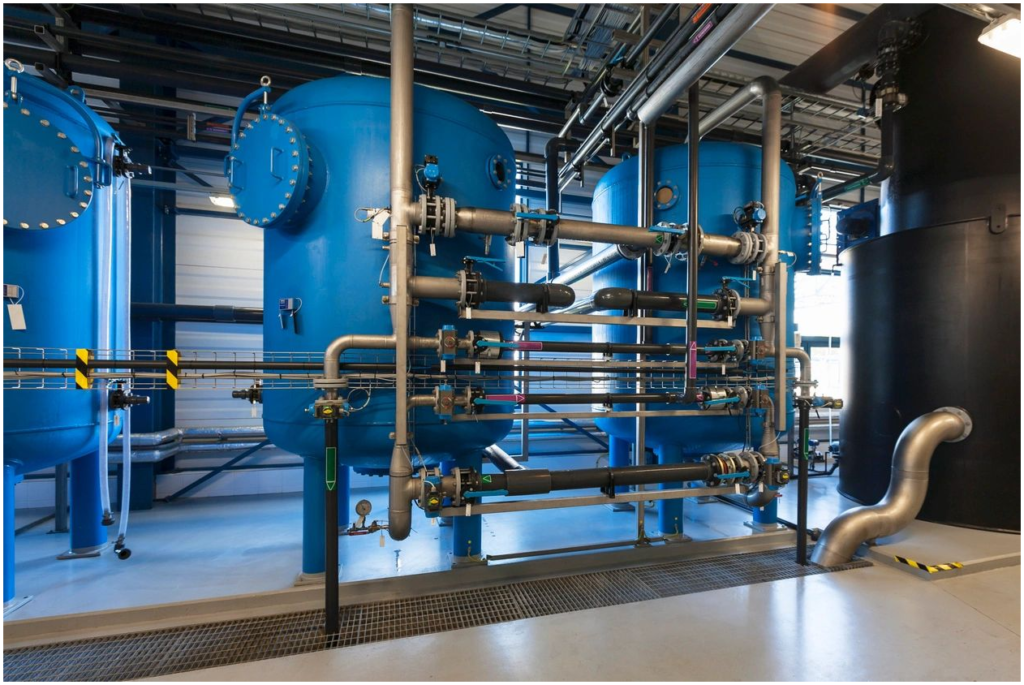
Twin tower PSA oxygen systems are skid-mounted and pre-assembled, simplifying installation:

  • Straightforward piping and wiring integration into existing compressed air systems.
  • Suitable for both new facilities and retrofits in industries like medical oxygen supply, metallurgy, or aquaculture.
The Trap of Proprietary Modular Designs

Modular oxygen generators are marketed as compact and “next-gen,” but the hidden costs are clear:

  • Single-source dependence: Critical spares only available from OEM.
  • Locked control systems: Even small PLC updates often require OEM intervention.
  • Scalability trap: To grow capacity, you must keep adding expensive modules, increasing footprint and service complexity.
The Clear Choice: Twin Tower PSA Oxygen Systems

For organizations that value reliability, independence, and long-term cost savings, twin tower PSA oxygen generators remain the superior choice. They are:

  • Simple by design — fewer points of failure.
  • Easy to maintain — no proprietary part lock-ins.
  • Ideal for large oxygen demands — without stacking modules.
  • Sustainable — long service life and minimal waste.
  • Safe & proven — trusted worldwide for decades.
  • Expandable — ready to grow with your oxygen needs.
Partner with Canada Gas Solutions

Before investing in modular “next-gen” hype, consider the true costs of ownership, maintenance, and scalability. The proven Twin Tower PSA oxygen system continues to deliver unmatched value for industries that cannot afford downtime.

Contact Canada Gas Solutions to learn more about robust, twin tower & field-expandable oxygen PSA systems built with premium, non-proprietary components that keep you in control.

Enquire Now

    Categories
    OXYGEN

    UNDERSTANDING BUILDING BLOCKS OF AN OXYGEN GAS GENERATING SYSTEM

    Oxygen gas generating systems are vital for industries such as healthcare, aquaculture, metallurgy, chemical processing, glass manufacturing, and wastewater treatment. These systems provide a cost-effective, sustainable, and reliable on-site source of oxygen, eliminating the need for frequent cylinder replacements or liquid oxygen deliveries. To understand how they work, it’s important to explore the core components that make up these systems.

    AIR COMPRESSOR: THE STARTING POINT

    The process begins with the air compressor, which draws in ambient air and compresses it to the pressure required for downstream operations. Depending on the application, oil-lubricated or oil-free compressors are selected. Matching the compressor capacity to the oxygen generator’s requirements is critical for efficient and reliable performance.

    AIR DRYER: REMOVING MOISTURE

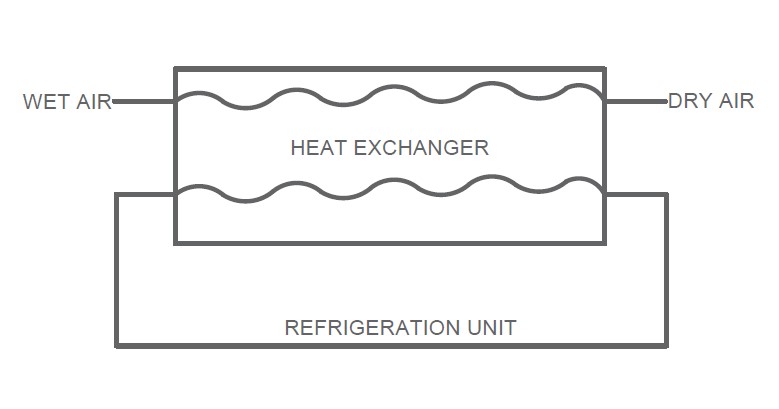
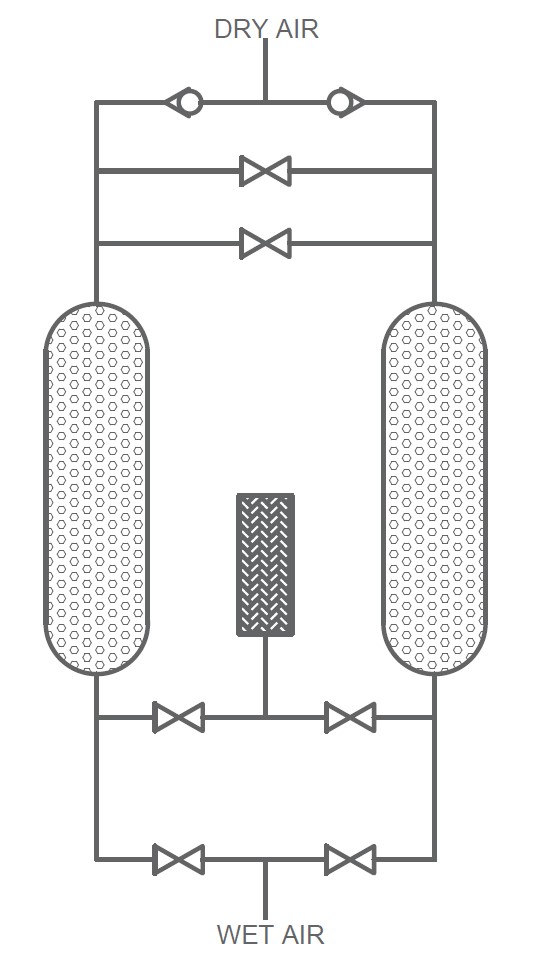
    Compressed air contains water vapor that can damage equipment and reduce oxygen generator efficiency. Air dryers remove this moisture to ensure reliability. Refrigerated dryers are sufficient for standard requirements, while desiccant dryers are required when ultra-dry air is needed for high-purity oxygen applications.

    AIR RECEIVER TANK

    Compressed air exiting the compressor has pressure pulsations. An air receiver tank is installed to buffer these pulsations before the air enters the oxygen generator. Moisture collected in the receiver is automatically drained through an Auto Drain Valve.

    OIL AND WATER SEPARATOR: CONDENSATE TREATMENT

    The compressed air system produces condensate containing oil and water. An oil-water separator treats this condensate, ensuring compliance with environmental regulations while maintaining system efficiency and sustainability.

    FILTRATION FOR GAS PURITY

    Air filtration ensures contaminants are removed before the air reaches the oxygen generator. Coalescing filters remove oil and water aerosols, particulate filters capture fine particles, and activated carbon filters eliminate hydrocarbon vapors. This multi-stage filtration ensures the delivery of clean, high-quality oxygen gas.

    OXYGEN GENERATOR: THE CORE COMPONENT

    The oxygen generator is the heart of the system, where oxygen is separated from compressed air. Two main technologies are commonly used:

    • Pressure Swing Adsorption (PSA): Uses zeolite molecular sieves to selectively adsorb nitrogen from compressed air, leaving oxygen. PSA systems are well-suited for high-purity oxygen applications, typically up to 96%.
    • Vacuum Pressure Swing Adsorption (VPSA): Operates at lower pressures with higher efficiency for large-scale oxygen production.
    OXYGEN RECEIVER TANKS: ENSURING STEADY SUPPLY

    Oxygen generating systems typically include two storage tanks:

    • Air Receiver Tank: Buffers fluctuations in compressed air demand and ensures consistent feed to the oxygen generator.
    • Oxygen Receiver Tank: Stores generated oxygen and supplies a steady flow to downstream applications.
    ADVANCED CONTROL SYSTEMS

    Modern oxygen generators are equipped with control panels that monitor and manage operating parameters such as purity, pressure, and flow rate. PLCs and touchscreen interfaces allow automation, easy operation, and remote monitoring for added convenience.

    PIPING AND VALVES: SEAMLESS INTEGRATION

    High-quality piping and valves ensure efficient, leak-free distribution of oxygen gas. Using corrosion-resistant and medical-grade materials is especially important in healthcare and high-purity applications.

    PRESSURE REGULATION

    Pressure regulators maintain stable delivery pressure, protecting sensitive equipment and ensuring consistent oxygen supply for critical applications.

    OXYGEN ANALYZER: ENSURING STANDARDS

    Oxygen analyzers continuously measure purity levels to confirm compliance with industry or medical standards. This ensures the system delivers the required oxygen concentration for its intended application.

    OPTIONAL ACCESSORIES

    Optional features can enhance performance and monitoring, such as:

    • Oxygen flow meters to track consumption
    • Purity and pressure alarms for safety
    • Remote monitoring for real-time operational oversight
    THE COMPLETE SOLUTION

    Oxygen gas generating systems are sophisticated assemblies designed to reliably and efficiently deliver high-purity oxygen at the point of use. Each component plays an essential role, making it critical for businesses to understand how these systems function and how they can be tailored to their needs.

    At Canada Gas Solutions, we specialize in designing and delivering oxygen gas generating systems tailored to meet the specific requirements of each customer. From selecting the right components to ensuring compliance with industry standards, we provide efficient, reliable, and sustainable oxygen generation solutions.

    Enquire Now

      Categories
      NITROGEN OXYGEN

      WHY ON-SITE GAS GENERATORS ARE A GAME-CHANGER FOR INDUSTRIAL GAS CONSUMERS

      For industries relying on nitrogen or oxygen in their operations, the traditional way of sourcing these gases often involves renting high-pressure cylinders or liquid nitrogen tanks. While this approach may seem straightforward, it comes with hidden costs, inefficiencies, and logistical challenges that can be avoided by using on-site nitrogen or oxygen gas generators.

      Here’s why every industrial gas consumer should compare these two options before making a decision and consider the benefits of generating gas on-site.

      TAILORED TO YOUR REQUIREMENTS:

      On-site gas generators produce nitrogen or oxygen precisely when and how you need it. This eliminates the risks of over-ordering or running out of gas. Whether you need a small, steady supply or a large volume for a high-demand process, on-site systems can be customized to match your operational needs. In contrast, cylinders or tanks often lock you into predetermined quantities, forcing you to pay for gas you might not use or scramble when supply runs low.

      SIGNIFICANT COST SAVINGS:

      Renting gas cylinders or tanks comes with recurring costs such as:

      • Delivery charges
      • Cylinder/tank rental fees
      • Handling and storage expenses

      With on-site gas generation, these costs disappear. Once installed, an on-site system draws ambient air and generates gas on demand. Many companies report recouping their initial investment in as little as 6–24 months through reduced operational costs. After that, the savings go straight to your bottom line.

      OPERATIONAL EFFICIENCY:

      When you rely on third-party suppliers, you’re also dependent on their schedules. Delayed deliveries can disrupt your operations. On-site systems eliminate this dependency, ensuring uninterrupted gas supply whenever you need it.

      Furthermore, handling high-pressure cylinders or liquid tanks requires special training and safety precautions, adding complexity to your operations. On-site systems simplify the process, reducing the risk of accidents and freeing up your workforce for more productive tasks.

      ENVIRONMENTALLY FRIENDLY:

      Switching to on-site gas generators reduces your carbon footprint. By cutting out the need for frequent gas deliveries and the energy-intensive liquefaction process used in tanks, your operations become significantly more sustainable.

      FUTURE-PROOF INVESTMENT:

      Industrial processes evolve, and so do gas requirements. On-site generators are scalable, allowing you to increase capacity as your business grows. This flexibility ensures your investment is future-proof and aligned with your long-term goals.

      WHY MAKE THE SWITCH?

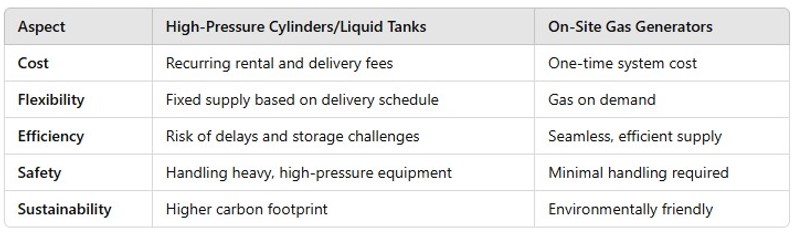
      Here’s a quick comparison to illustrate the benefits:

      IS IT RIGHT FOR YOU?

      On-site gas generators are suitable for a wide range of industries, including:

      • Food and Beverage
      • Aquaculture
      • Hospitals
      • Waster Water Treatment
      • Pharmaceuticals
      • Metal fabrication
      • Electronics
      • Automotive

      If your business uses nitrogen or oxygen regularly, this solution can optimize your operations, improve cost-efficiency, and reduce environmental impact.

      Investing in an on-site gas generation system is a smart move for companies looking to take control of their industrial gas supply. With the ability to produce gas on demand, scale to meet your needs, and pay off the system cost within 6–24 months, this technology can revolutionize the way you operate.

      At Canada Gas Solutions Inc., we understand that every business is unique. That’s why we work closely with our customers to fully understand their process requirements, including gas consumption, purity, and pressure needs. Our team designs tailored solutions that seamlessly integrate with your operations, ensuring you get the most efficient and cost-effective system for your business.

      Stop relying on costly cylinders or tanks. Let Canada Gas Solutions help you explore the benefits of on-site gas generators and take the first step toward a more efficient, cost-effective, and sustainable future for your business. Reach out to us today!

      Enquire Now
        Categories
        NITROGEN OXYGEN

        ONSITE GAS GENERATION VS. TRADITIONAL GAS PROCUREMENT METHODS

        In industrial settings, the need for gases like nitrogen and oxygen is ubiquitous, spanning various applications from manufacturing to healthcare. Traditionally, industrial gas consumers have relied on high-pressure cylinders or bulk liquid tanks to meet their gas requirements. However, the landscape is evolving, with onsite gas generation emerging as a cost-effective and efficient alternative. Let’s explore the pros of onsite nitrogen/oxygen gas generation and the cons of purchasing high-pressure cylinders or bulk liquid tanks, highlighting how industrial gas consumers can save money and achieve a rapid Return on Investment (ROI) within 6-24 months.

        onsite gas generation:

        STATIONARY ON-SITE GAS SYSTEM

        CONTAINERIZED ON-SITE GAS SYSTEM

        Cost Efficiency:

        Onsite gas generation eliminates the need for repeated purchases of high-pressure cylinders or bulk liquid tanks, which often incur transportation, handling, and rental costs. Once the initial investment in onsite gas generation equipment is made, the cost per unit of gas produced significantly decreases, leading to substantial savings in the long run.

        Supply Reliability:

        With onsite generation, companies have greater control over their gas supply, reducing the risk of unexpected shortages or disruptions. This reliability translates into improved operational continuity, ensuring uninterrupted production processes and minimizing downtime.

        Customization & Scalability:

        Onsite gas generation systems can be tailored to specific consumption requirements, allowing companies to produce the exact quantity of gas needed on-demand. Moreover, these systems are highly scalable, enabling businesses to adjust production capacity according to fluctuating demands without relying on external suppliers.

        Safety and Environmental Benefits: Onsite generation eliminates the hazards associated with transporting and handling high-pressure cylinders or bulk liquid tanks. Additionally, it reduces the carbon footprint by minimizing the need for frequent deliveries and decreasing reliance on fossil fuel-powered transportation.

        Traditional Gas Procurement Methods:

        COMPRESSED GAS CYLINDERS

        ON-SITE GAS GENERATION SYSTEM

        LIQUID BULK TANK

        High Operating Cost:

        Purchasing gases in high-pressure cylinders or bulk liquid tanks entails recurring expenses, including rental fees, delivery charges, and handling costs. Over time, these expenses can accumulate, significantly impacting the overall operational budget.

        Supply Chain Vulnerability:

        Reliance on external suppliers for gas procurement exposes companies to supply chain vulnerabilities, such as transportation delays, logistical challenges, and market fluctuations. Any disruption in the supply chain can disrupt operations and lead to costly downtime.

        Storage and Handling Challenges:

        Storing and handling high-pressure cylinders or bulk liquid tanks require dedicated infrastructure and safety measures, which can consume valuable floor space and resources. Moreover, the handling of these containers poses inherent risks to personnel safety.

        Environmental Impact:

        Traditional gas procurement methods contribute to environmental pollution through emissions from transportation vehicles and energy-intensive production processes. Additionally, the disposal of empty cylinders or tanks raises concerns regarding waste management and environmental sustainability.

        Achieving Cost Savings and Return on Investment:

        The transition to onsite gas generation offers a compelling opportunity for industrial gas consumers to optimize their expenditure and realize a rapid ROI within 6-24 months. By investing in modern generation technology, companies can:

        • Minimizing Operational Costs: Eliminate recurring expenses associated with traditional procurement methods, leading to significant cost savings over time.
        • Enhance Operational Efficiency: Improve supply reliability, reduce downtime, and streamline production processes, thereby maximizing overall operational efficiency.
        • Mitigate Risks: Decrease dependency on external suppliers, mitigate supply chain risks, and enhance safety and environmental compliance.
        • Future-Proof Investments: Embrace sustainable practices, reduce carbon footprint, and position themselves for long-term growth and competitiveness in a rapidly evolving market.

        The advantages of onsite nitrogen/oxygen gas generation are clear: cost efficiency, supply reliability, customization, scalability, safety, and environmental benefits. By contrast, traditional gas procurement methods pose challenges in terms of operating costs, supply chain vulnerability, storage, handling, and environmental impact. Industrial gas consumers can achieve substantial cost savings and a rapid ROI by transitioning to onsite generation, thereby unlocking greater efficiency, reliability, and sustainability in their operations.

        Enquire Now
          Categories
          NITROGEN OXYGEN

          THE CRUCIAL ROLE OF COMPRESSED AIR QUALITY IN ON-SITE NITROGEN & OXYGEN GAS GENERATION

          In industries ranging from pharmaceuticals, food packaging to aquaculture, onsite nitrogen and oxygen gas generation systems have become indispensable. These systems offer efficiency, cost-effectiveness, and a reliable source of gases critical for various applications. However, behind their seamless operation lies a crucial factor often overlooked: compressed air quality. The quality of compressed air used as feedstock profoundly impacts the performance and longevity of nitrogen and oxygen generators. Here, we delve into the significance of compressed air quality and the imperative need for periodic maintenance to ensure optimal system functionality.

          Understanding Compressed Air Quality:

          Compressed air serves as the primary feedstock for on-site nitrogen and oxygen gas generators. It acts as the carrier gas for the separation process, facilitating the extraction of nitrogen or oxygen molecules from the surrounding air. However, the quality of compressed air directly affects the purity and efficiency of the generated gases.

          Importance of Inlet Filtration:

          Inlet filtration plays a pivotal role in maintaining the purity of compressed air. Contaminants such as dust, oil aerosols, water vapor, and particulate matter present in the compressed air can compromise the performance of on-site gas generation systems. These contaminants, if left unfiltered, can accumulate within the system, leading to fouling of components, decreased efficiency, and potential damage to delicate membranes and adsorbents.

          Regular maintenance of inlet filtration systems is essential to prevent the ingress of contaminants into the gas generation equipment. High-quality filters, including coalescing filters and particulate filters, effectively remove impurities, ensuring clean and dry compressed air enters the system. By safeguarding against contamination, inlet filtration safeguards the integrity and purity of the generated nitrogen and oxygen gases.

          Ensuring Correct Dewpoint:

          REFRIGERATED AIR DRYER

          DESICCANT AIR DRYER

          Another critical aspect of compressed air quality is the dewpoint, which measures the moisture content present in the compressed air. Elevated levels of moisture can adversely impact the performance of gas generation systems, particularly those utilizing pressure swing adsorption (PSA) or membrane technology.

          Excessive moisture in the compressed air stream can lead to the formation liquid water within the system, causing blockages, corrosion, and operational disruptions. Moreover, water vapor can hinder the adsorption process, reducing the efficiency of nitrogen or oxygen separation.

          Maintaining the correct dewpoint of compressed air is imperative to prevent these issues. Refrigerated or desiccant air dryers are commonly employed to achieve dewpoint levels suitable for gas generation applications. Regular monitoring and maintenance of these dryers ensure that the compressed air supplied to the gas generation system remains within the specified dewpoint range, thereby optimizing system performance and reliability.

          The need for Periodic Maintenance:

          Periodic maintenance of compressed air quality is essential to sustain the efficiency and longevity of on-site nitrogen and oxygen gas generation systems. Routine inspection and replacement of inlet filters, along with monitoring and adjustment of dewpoint levels, mitigate the risk of contamination and ensure consistent operation.

          Failure to maintain proper compressed air quality can result in increased energy consumption, diminished gas purity, and costly downtime due to equipment failures. By prioritizing the quality of compressed air fed into gas generation systems and implementing regular maintenance practices, industries can maximize the productivity and profitability of their onsite gas production operations.

          In conclusion, the quality of compressed air is a critical factor in the performance and reliability of onsite nitrogen and oxygen gas generation systems. By investing in high-quality inlet filtration and ensuring the correct dewpoint of compressed air, industries can safeguard against contamination and optimize the efficiency of gas separation processes. Periodic maintenance of compressed air quality is essential to prevent operational disruptions and maintain the integrity of gas generation equipment. By prioritizing compressed air quality, industries can harness the full potential of onsite gas generation technology to meet their diverse application needs efficiently and cost-effectively.

          Enquire Now
            Categories
            OXYGEN

            UNLOCKING THE POTENTIAL OF NANOBUBBLE TECHNOLOGY IN WASTEWATER TREATMENT: THE SIGNIFICANCE OF OXYGEN GAS AND ON-SITE OXYGEN GAS GENERATION

            In the ever-evolving landscape of wastewater treatment, the quest for efficient, sustainable, and cost-effective methods remains paramount. Amidst this pursuit, nanobubble technology has emerged as a promising contender, offering innovative solutions to some of the most pressing challenges in water purification. Central to its efficacy is the utilization of oxygen gas, whose role in enhancing treatment processes cannot be overstated. Furthermore, the adoption of on-site oxygen gas generation represents a paradigm shift in wastewater treatment, providing unparalleled advantages in terms of flexibility, reliability, and environmental impact.

            Understanding Nanobubble Technology:

            Nanobubbles, as the name suggests, are tiny gas bubbles with diameters typically less than 1000 nanometers. Their minute size grants them unique properties, including prolonged stability and increased surface area, which make them highly effective in various industrial applications, particularly in water treatment. In the context of wastewater remediation, nanobubbles hold immense potential due to their ability to carry and deliver gases such as oxygen deep into the water column, facilitating crucial biochemical processes.

            The significance of Oxygen Gas:

            Oxygen plays a pivotal role in wastewater treatment by promoting aerobic microbial activity, which is essential for the breakdown of organic pollutants. In conventional treatment systems, oxygen is typically supplied through mechanical aeration methods. However, these approaches often suffer from inefficiencies, including high energy consumption and limited oxygen transfer rates. Herein lies the significance of nanobubble technology, which offers a more efficient means of oxygen delivery, thanks to the enhanced dissolution and prolonged retention of nanobubbles in water. By introducing oxygen in the form of nanobubbles, wastewater treatment facilities can achieve higher oxygen transfer efficiencies, leading to improved pollutant removal rates and overall system performance. Moreover, the small size of nanobubbles allows them to penetrate deep into biofilms and porous media, reaching areas inaccessible to conventional aeration methods, thereby ensuring more thorough and comprehensive treatment.

            On-site oxygen gas generation:

            ON-SITE OXYGEN GAS GENERATING SYSTEM

            While the benefits of utilizing oxygen gas in wastewater treatment are clear, the logistics of sourcing and transporting large quantities of oxygen present logistical and economic challenges. This is where on-site oxygen gas generation technologies come into play, offering a decentralized approach that minimizes dependence on external suppliers and reduces transportation costs and carbon footprint associated with oxygen delivery.

            On-site oxygen generation systems utilize air separation techniques such as pressure swing adsorption (PSA) or vacuum pressure swing adsorption (VPSA) to extract oxygen from atmospheric air. By producing oxygen on-demand at the treatment site, these systems provide greater flexibility and reliability, ensuring a continuous supply of oxygen tailored to the specific needs of the treatment process. Additionally, on-site gas generation eliminates the risks associated with storing and handling compressed oxygen cylinders, enhancing safety and operational efficiency.

            SUSTAINABLE APPROACH

            In the quest for sustainable and efficient wastewater treatment solutions, nanobubble technology emerges as a transformative innovation, leveraging the unique properties of nanobubbles to enhance oxygen delivery and optimize treatment processes. Central to the success of this approach is the adoption of on-site oxygen generation, which offers unparalleled advantages in terms of reliability, flexibility, and environmental sustainability. As wastewater treatment facilities increasingly embrace the principles of circular economy and resource optimization, the integration of nanobubble technology and on-site oxygen generation is poised to play a pivotal role in shaping the future of water management and environmental stewardship.

            Enquire Now

              Categories
              NITROGEN OXYGEN

              EARTH’S ATMOSPHERE, COMPOSITION & SEPARATION METHODS FOR NITROGEN & OXYGEN

              The Earth’s atmosphere is a delicate blanket of gases that envelops our planet, providing the necessary conditions for life to thrive. Comprising various gases in different proportions, this atmosphere plays a crucial role in regulating temperature, protecting life from harmful radiation, and sustaining vital processes like photosynthesis. Understanding its composition and the methods for separating its primary constituents, nitrogen and oxygen, is essential for various industrial, scientific, and environmental endeavors.

              Composition of Earth’s Atmosphere:

              Earth’s atmosphere is primarily composed of nitrogen (N2), oxygen (O2), argon (Ar), and traces of other gases such as carbon dioxide (CO2), neon (Ne), helium (He), methane (CH4), and ozone (O3). The most abundant gases are nitrogen and oxygen, which together constitute approximately 99% of the atmosphere’s total volume.

              • Nitrogen (N2): Nitrogen makes up about 78% of the Earth’s atmosphere. It is crucial for various biological processes and is used extensively in industrial applications, such as in the production of ammonia for fertilizers and in the manufacturing of electronics.
              • Oxygen (O2): Oxygen accounts for roughly 21% of the atmosphere. It is vital for respiration in most organisms and is also widely utilized in industrial processes, including metal smelting, combustion, and medical applications.
              • Argon (Ar): Argon constitutes around 0.9% of the atmosphere and is primarily used in welding and as an inert gas in various industrial processes.
              Methods of Separating Nitrogen and Oxygen:

              Fractional Distillation:

              LIQUID NITROGEN/OXYGEN STORAGE EQUIPMENT FOR INDUSTRIAL USE

              Fractional distillation is based on the principle of differences in boiling points of gases. Air is first cooled and compressed to liquify it. Then, the liquid air is allowed to boil slowly. As the temperature increases, gases with lower boiling points, such as nitrogen and oxygen, vaporize first. By collecting these vapors separately and condensing them, nitrogen and oxygen can be obtained in their pure forms. Fractional distillation is a well-established and efficient method for large-scale production of nitrogen and oxygen. Fractional distillation requires significant energy input due to the need for cooling and compressing air. Additionally, it is a capital-intensive process, making it less suitable for small-scale applications.

              Membrane Separation:

              Membrane separation relies on permeation through selective membranes. In this method, air is passed through a membrane that selectively allows certain gases, such as nitrogen, to permeate more readily than others, such as oxygen. By controlling factors like pressure, temperature and membrane material, the desired gases can be separated. Membrane separation is energy-efficient at lower purities and scalable. It can be employed for both large-scale industrial processes and smaller applications. It also offers flexibility in terms of operation and requires less maintenance compared to other methods.

              Pressure Swing Adsorption (PSA):

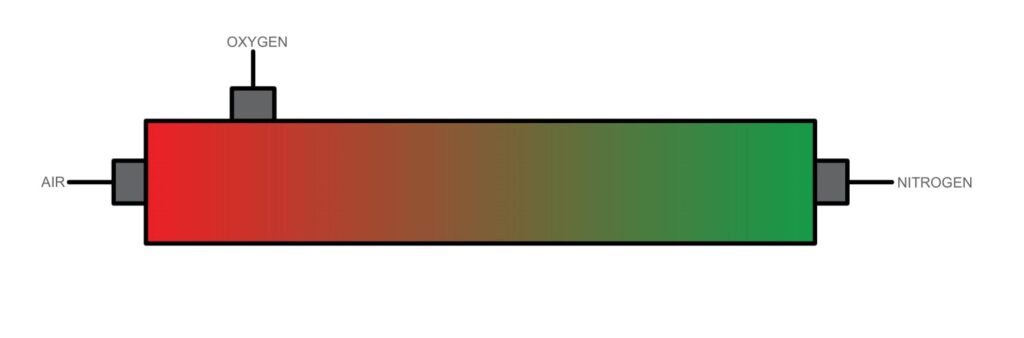
              PSA involves passing air through a bed of adsorbent material, such as carbon molecular or zeolite sieve, at high pressure. The adsorbent selectively adsorbs oxygen or nitrogen while allowing other gas to pass through. After a period, the pressure is reduced, allowing the adsorbed oxygen or nitrogen to desorb and be released. PSA is highly efficient and can produce gases with high purity levels. It is the most suitable technology for on-site gas generation of nitrogen and oxygen and can be automated for 24/7 operation.

              The composition of Earth’s atmosphere, dominated by nitrogen and oxygen, is essential for sustaining life and supporting various industrial processes. Understanding the methods for separating these gases is crucial for applications ranging from medical oxygen supply to industrial gas production. While each separation method has its advantages and limitations, advancements in technology continue to refine these processes, making them more efficient, cost-effective, and environmentally friendly. As we delve deeper into the intricacies of atmospheric science and gas separation techniques, we unlock new possibilities for innovation and sustainable development.

              Enquire Now

                Categories
                OXYGEN

                BOOSTING EFFICIENCY: ON-SITE OXYGEN GAS GENERATION(O2) FOR OZONE GAS(O3) 

                In the realm of industrial and environmental applications, ozone gas has emerged as a powerful tool. Its unique properties make it invaluable for various purposes, from water treatment to disinfection and beyond. Understanding the process of ozone gas generation, its applications, and the role of onsite oxygen generation systems in optimizing efficiency is crucial for industries and environmentalists alike.

                OZONE GAS GENERATION: UNVEILING NATURE’S PURIFIER

                Ozone (O3) is a triatomic molecule consisting of three oxygen atoms bonded together. While naturally occurring in the Earth’s atmosphere, it’s primarily formed through electrical discharges such as lightning during thunderstorms or by the action of ultraviolet (UV) light on oxygen molecules. However, for industrial and commercial purposes, ozone is typically generated artificially.

                The process of ozone gas generation involves passing oxygen molecules through an ozone generator where they are subjected to either corona discharge or UV radiation. In corona discharge methods, oxygen molecules (O2) are passed through a high-voltage electrical field, causing them to split into oxygen atoms. These atoms then combine with other oxygen molecules to form ozone. Alternatively, UV radiation methods utilize UV light to directly convert oxygen molecules into ozone.

                1. Corona Discharge Method:
                  • O2 + energy (electric discharge) → 2O (oxygen atoms)
                  • O2 + O → O3 (ozone)
                2. Ultraviolet (UV) Radiation Method:
                  • O2 + UV energy → 2O (oxygen atoms)
                  • O2 + O → O3 (ozone)
                APPLICATION OF OZONE GAS: A VERSATILE SOLUTION

                The versatility of ozone gas renders it indispensable across various industries and environmental domains:

                Water Treatment: Ozone is highly effective in water treatment due to its strong oxidizing properties. It efficiently eliminates organic and inorganic contaminants, pathogens, and odors from water sources, making it a preferred choice for municipal water treatment plants, swimming pools, and wastewater treatment facilities.

                Disinfection: Ozone’s potent disinfectant properties make it an ideal alternative to traditional chlorine-based disinfectants. It’s extensively used for sterilizing medical equipment, food processing, and maintaining clean environments in pharmaceutical facilities.

                Air Purification: Ozone is employed in air purification systems to eliminate odors, mold, and bacteria from indoor environments. It’s particularly useful in spaces where air quality is crucial, such as hospitals, laboratories, and cleanrooms.

                Laundry and Textile Industry: Ozone is increasingly utilized in the laundry and textile industry for bleaching, sterilization, and odor removal. Ozone effectively oxidizes stains and contaminants, reducing the need for hot water and chemical detergents, thus offering energy and cost savings.

                OPTIMIZING EFFICIENCY WITH ON-SITE OXYGEN GAS GENERATING SYSTEM  

                While the benefits of ozone gas are undeniable, its generation often relies on the availability of oxygen, which can incur significant expenses, particularly for large-scale users. This is where onsite oxygen generation systems step in to revolutionize the process. Onsite oxygen generation systems utilize advanced technologies such as pressure swing adsorption (PSA) or vacuum pressure swing adsorption (VPSA) to extract oxygen from the surrounding air. By eliminating the need for external oxygen cylinders or liquid oxygen supplies, these systems offer several advantages:

                Cost Savings: Onsite oxygen generation drastically reduces operational costs associated with purchasing and transporting oxygen cylinders or liquid oxygen. Users can produce oxygen on-demand, minimizing wastage and optimizing resource utilization.

                Independence and Reliability: By producing oxygen onsite, users gain independence from external suppliers, ensuring a continuous and reliable source of oxygen for ozone generation. This eliminates the risk of supply shortages or disruptions, enhancing operational efficiency and productivity.

                Environmental Benefits: Onsite oxygen generation systems contribute to environmental sustainability by reducing carbon emissions associated with the transportation and production of oxygen. They promote energy efficiency and lower carbon footprints, aligning with the goals of green initiatives and corporate sustainability strategies.

                Ozone gas generation holds immense promise across diverse industries and environmental applications, offering unparalleled efficacy in water treatment, disinfection and air purification. However, the efficiency of ozone generation relies heavily on the availability of oxygen, which can pose logistical and financial challenges for users.

                By integrating onsite oxygen generation systems into their operations, users can overcome these challenges and unlock new levels of efficiency, cost-effectiveness, and sustainability. With the power to produce oxygen on-demand, on-site systems empower industries to harness the full potential of ozone gas while minimizing expenses and environmental impact. In doing so, they pave the way for a cleaner, healthier, and more sustainable future.

                Enquire Now

                  Categories
                  OXYGEN

                  EMPOWERING HOSPITALS: HOW ON-SITE OXYGEN GENERATION SYSTEMS HELPED BRIDGE THE GAP DURING COVID-19 CRISIS

                  Oxygen gas stands as a lifeline in the world of healthcare, playing a critical role in numerous medical procedures, treatments, and therapies. Nowhere is its importance more evident than in hospitals, where it is essential for patient care, resuscitation, and therapeutic interventions. Amid the unprecedented challenges posed by the COVID-19 pandemic, the demand for medical oxygen surged to unprecedented levels, stretching healthcare systems to their limits. In this crucible, on-site oxygen generation systems emerged as indispensable tools, helping hospitals overcome oxygen shortages and ensuring uninterrupted care for patients battling the virus.

                  The CRUCIAL Role of oxygen in healthcare

                  Oxygen is a cornerstone of modern medical practice, with a myriad of applications across various healthcare settings.

                  Respiratory Support: In critical care units, oxygen is administered to patients suffering from respiratory distress or hypoxemia to improve oxygenation and alleviate symptoms.

                  Surgical Anesthesia: Oxygen serves as a component of anesthesia gases used during surgical procedures to maintain adequate oxygen levels and ensure patient safety and comfort.

                  Emergency Medicine: In emergency departments and ambulances, oxygen is readily available for use in resuscitation efforts for patients experiencing cardiac arrest, trauma, or respiratory failure.

                  Treatment of Chronic Conditions: Patients with chronic respiratory diseases such as COPD (Chronic Obstructive Pulmonary Disease) rely on supplemental oxygen therapy to manage their symptoms and improve their quality of life.

                  On-site oxygen generation systems: A Game-changer in healthcare

                  On-site oxygen generation systems, also known as oxygen concentrators or oxygen generation plants, have revolutionized the way hospitals procure and supply medical oxygen. These systems produce oxygen directly on-site from ambient air, offering numerous advantages over traditional methods of oxygen supply:

                  Continuous Supply: On-site oxygen generators ensure a reliable and uninterrupted supply of medical-grade oxygen, eliminating the dependence on external oxygen suppliers and reducing the risk of supply chain disruptions.

                  Cost-Efficiency: By eliminating the need for transportation, storage, and handling of oxygen cylinders or liquid oxygen, on-site oxygen generation systems reduce operational costs and logistical complexities for hospitals.

                  Scalability and Flexibility: On-site oxygen generators can be customized to meet the specific oxygen demand of healthcare facilities, allowing for scalability and flexibility in response to fluctuating patient volumes or emergency situations.

                  Reliability in Emergencies: During crises such as the COVID-19 pandemic, on-site oxygen generation systems proved invaluable in ensuring hospitals had a sufficient supply of oxygen to meet the escalating demand from critically ill patients.

                  The Covid-19 Pandemic: A Test of Resilience

                  The emergence of the COVID-19 pandemic in early 2020 presented an unprecedented challenge to healthcare systems worldwide, placing immense strain on medical resources, including oxygen supply. As hospitals grappled with surging caseloads and dwindling oxygen reserves, on-site oxygen generation systems emerged as a beacon of hope, providing a lifeline for patients and healthcare providers alike.

                  How on-site oxygen generators helped during covid-19

                  Meeting Increased Demand: On-site oxygen generation systems played a crucial role in augmenting oxygen supply capacity, enabling hospitals to meet the surge in demand for medical oxygen from COVID-19 patients requiring respiratory support.

                  Minimizing Reliance on External Suppliers: By producing oxygen on-site, hospitals reduced their dependence on external oxygen suppliers, mitigating the risk of supply chain disruptions and ensuring a more reliable and sustainable source of oxygen.

                  Enhancing Resource Utilization: On-site oxygen generation systems allowed hospitals to optimize resource utilization by producing oxygen on-demand, thereby minimizing waste and maximizing efficiency in oxygen delivery.

                  Supporting Remote and Rural Healthcare Facilities: In remote or underserved areas with limited access to centralized oxygen supply infrastructure, on-site oxygen generation systems provided a lifeline for healthcare facilities, ensuring access to essential medical oxygen for COVID-19 patients.

                  Paving the way for a Resilient Healthcare Future

                  The COVID-19 pandemic underscored the critical importance of reliable and sustainable oxygen supply in healthcare settings. On-site oxygen generation systems emerged as a vital tool in addressing oxygen shortages and ensuring continuity of care for patients during this unprecedented crisis. As healthcare systems worldwide navigate the challenges of the post-pandemic era, the integration of on-site oxygen generation technologies promises to play a central role in building resilience, sustainability, and preparedness in healthcare delivery. By harnessing the power of on-site oxygen generation, hospitals can ensure a safer, more resilient future for patients, healthcare providers, and communities alike.

                  Enquire Now

                    Categories
                    OXYGEN

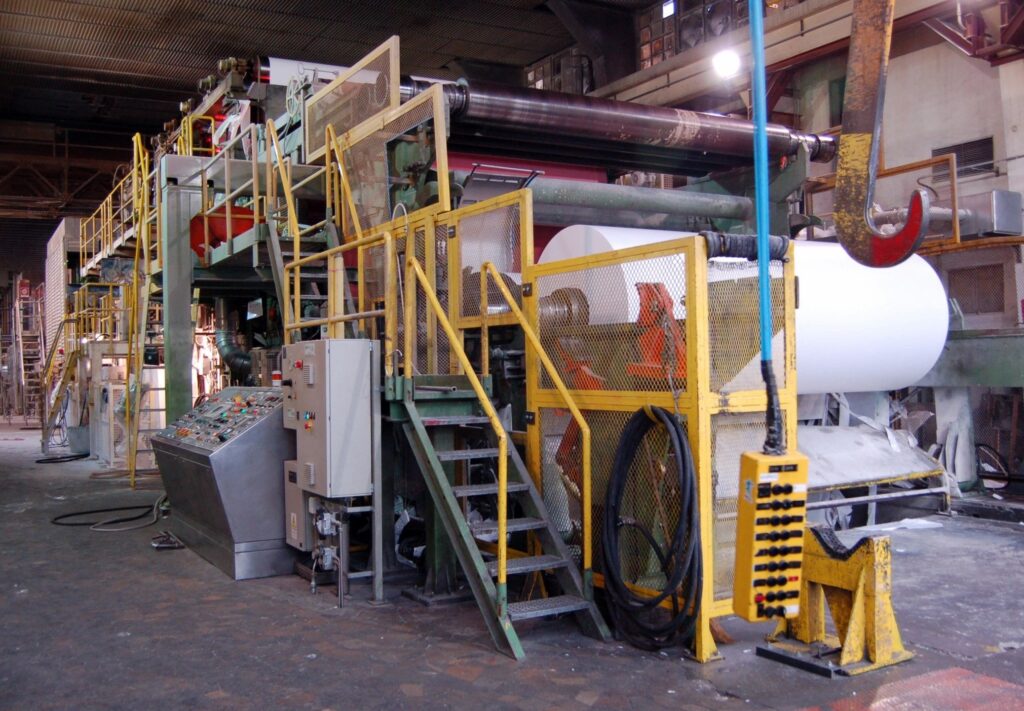
                    TRANSFORMING PULP & PAPER PRODUCTION WITH ON-SITE OXYGEN GAS GENERATING SYSTEMS AND THEIR IMPACT ON COST EFFICIENCY

                    In the bustling world of the pulp and paper industry, efficiency is the name of the game. From manufacturing to packaging, every step in the process demands meticulous attention to detail to ensure high-quality output while minimizing costs and environmental impact. One critical component in this equation is oxygen gas, which plays a multifaceted role in various stages of production. In recent years, the adoption of on-site oxygen gas generating systems has emerged as a game-changer, offering unprecedented benefits in terms of cost reduction, operational efficiency, and sustainability.

                    The role of oxygen gas in pulp & paper production:

                    Oxygen gas serves several indispensable functions within the pulp and paper manufacturing process. One of its primary applications is in bleaching, where it is used to remove color from pulp fibers, resulting in bright, white paper products. Oxygen delignification, a key step in the bleaching process, relies on the oxidative power of oxygen gas to break down lignin—a complex organic polymer found in wood fibers—without the need for environmentally harmful chlorine-based chemicals. Additionally, oxygen is utilized in wastewater treatment processes to enhance the degradation of organic pollutants, promoting environmental stewardship and regulatory compliance.

                    Challenges with traditional oxygen supply methods:

                    BULK LIQUID OXYGEN TANK

                    HIGH-PRESSURE OXYGEN CYLINDER

                    Historically, pulp and paper mills have relied on traditional methods of oxygen supply, such as cryogenic distillation or oxygen cylinders delivered from off-site suppliers. While effective, these methods present several drawbacks. Cryogenic distillation, for instance, requires large-scale infrastructure and significant energy consumption, making it less economically viable for smaller operations. On the other hand, reliance on oxygen cylinders entails logistical challenges, including transportation costs, storage space requirements, and supply chain vulnerabilities.

                    The arrival of on-site oxygen gas generating systems:

                    Recognizing the limitations of conventional oxygen supply methods, many pulp and paper manufacturers have turned to on-site oxygen gas generating systems as a more sustainable and cost-effective alternative. These systems utilize advanced technologies, such as pressure swing adsorption (PSA) or vacuum pressure swing adsorption (VPSA), to extract oxygen from ambient air, purify it to industrial-grade standards, and deliver it directly to the point of use.

                    Advantages of on-site oxygen generation:

                    Cost Reduction: By eliminating the need for bulk oxygen deliveries and associated transportation expenses, on-site oxygen generation significantly reduces operational costs over time. Moreover, the scalability of these systems allows mills to adjust oxygen production according to fluctuating demand, further optimizing resource utilization.

                    Operational Efficiency: On-site oxygen generation systems offer greater reliability and flexibility compared to traditional supply methods. With continuous oxygen availability on-site, mills can streamline production schedules, minimize downtime, and maintain consistent product quality, thereby enhancing overall operational efficiency.

                    Environmental Sustainability: By producing oxygen on-site from ambient air, manufacturers can substantially reduce their carbon footprint and environmental impact. Unlike cryogenic distillation, which consumes large quantities of energy and emits greenhouse gases, on-site oxygen generation systems operate with greater energy efficiency and generate minimal waste, aligning with sustainability objectives.

                    Supply Chain Resilience: In an increasingly interconnected global economy, disruptions to supply chains can pose significant challenges to business continuity. On-site oxygen generation empowers pulp and paper mills to enhance their resilience by reducing dependency on external suppliers and mitigating risks associated with supply chain disruptions, such as transportation delays or shortages.

                    In the dynamic landscape of the pulp and paper industry, innovation is paramount to success. On-site oxygen gas generating systems represent a paradigm shift in oxygen supply management, offering a compelling combination of cost savings, operational efficiency, and environmental sustainability. As more manufacturers embrace this transformative technology, the industry as a whole stands to benefit from enhanced competitiveness, resilience, and stewardship of natural resources. Through strategic investments in on-site oxygen generation, pulp and paper mills can chart a course toward a brighter, more sustainable future.

                    Enquire Now