
Categories
OXYGEN

OPTIMIZING BIOGAS PRODUCTION WITH OXYGEN GAS

Biogas, a renewable energy source derived from organic materials, plays a significant role in sustainable energy production. Its generation relies on the anaerobic digestion of organic matter, facilitated by microorganisms in the absence of oxygen. However, the efficient operation of biogas plants demands careful management of various factors, including the presence of oxygen. Contrary to the anaerobic conditions necessary for biogas production, controlled oxygen gas introduction can enhance the process by promoting microbial activity, reducing odors, and improving overall efficiency.

Enhancing Microbial Activity & Optimizing Biogas Production:

introducing controlled amounts of oxygen into the biogas digester can stimulate microbial growth and activity. This oxygen supplementation encourages the proliferation of aerobic bacteria, which synergistically work with anaerobic microorganisms to break down complex organic matter more efficiently.

The controlled introduction of oxygen gas into biogas digesters can significantly improve biogas production rates and quality. By enhancing the breakdown of organic substrates, oxygen supplementation helps maximize methane(CH4) yields while reducing the retention time required for digestion. This optimization not only boosts the overall energy output of biogas plants but also enhances process stability and reliability.

Biogas Production & On-Site Oxygen Gas Generation:
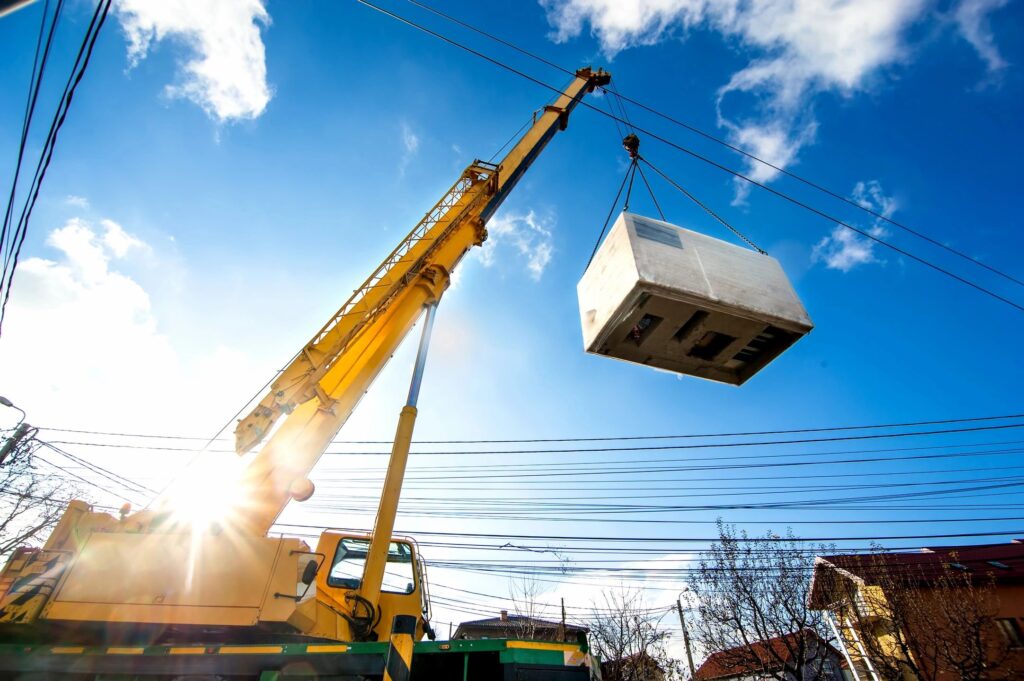
CONTAINERIZED OXYGEN SYSTEM FOR BIOGAS PRODUCTION

On-site oxygen gas generation is revolutionizing biogas generation by offering a sustainable and cost-effective solution to enhance the efficiency, reliability, and environmental performance of biogas plants. Traditionally, oxygen supplementation in biogas plants has been achieved through the purchase and delivery of compressed or liquid oxygen from external suppliers. However, this approach presents logistical challenges, transportation costs, and environmental concerns associated with the production and distribution of oxygen. On-site oxygen gas generation systems has transformed the landscape of biogas production by providing a decentralized and self-sufficient method for supplying oxygen directly at the point of use. These systems utilize advanced technologies, such as pressure swing adsorption to extract oxygen from the surrounding air and concentrate it to purity levels suitable for biogas applications.

Several ways in which on-site oxygen gas is revolutionizing biogas production:

Enhanced Process Control and Flexibility: On-site oxygen generation systems empower biogas plant operators with greater control over the oxygenation process. By producing oxygen on demand, operators can precisely adjust oxygen levels in the biogas digester according to fluctuating feedstock compositions, temperature variations, and microbial activity. This flexibility optimizes biogas production rates and quality while minimizing the risk of process upsets and downtime.

Cost Savings and Operational Efficiency: On-site oxygen generation eliminates the need for external oxygen suppliers, transportation logistics, and storage infrastructure, resulting in significant cost savings for biogas plant operators. Moreover, by reducing reliance on fossil fuel-based oxygen production methods, such as cryogenic distillation, on-site generation contributes to the overall sustainability of biogas production and mitigates carbon emissions associated with transportation and industrial processes.

Improved Reliability and Resilience: On-site oxygen generation systems enhance the reliability and resilience of biogas plants by reducing dependency on external suppliers and mitigating supply chain disruptions. By ensuring a continuous and uninterrupted supply of oxygen, even in remote or off-grid locations, these systems enhance the operational stability and performance of biogas facilities. This reliability is particularly crucial for industries reliant on continuous biogas production, such as wastewater treatment plants, agricultural facilities, and food processing facilities.

Scalability and Customization: On-site oxygen generation systems offer scalability and customization options to accommodate the specific needs and requirements of biogas plants of varying sizes and capacities. Whether it’s a small-scale anaerobic digester or a large industrial biogas facility, on-site generation systems can be tailored to deliver the precise oxygen volumes and concentrations needed to optimize biogas production while minimizing capital investment and operating costs.
Enquire Now


    Categories
    NITROGEN

    COFFEE PACKAGING WITH ON-SITE NITROGEN GAS GENERATOR

    In the competitive and dynamic world of coffee packaging, maintaining the freshness and quality of the product is paramount. One technology that has significantly contributed to achieving this goal is the on-site nitrogen gas generator. This innovative solution has become a game-changer in the coffee packaging business, ensuring that consumers experience the rich flavor and aroma of freshly roasted coffee beans.

    preserving freshness:

    Coffee enthusiasts around the globe appreciate the distinct and complex flavors that freshly roasted coffee beans offer. However, coffee is highly susceptible to oxidation, moisture, and exposure to air, all of which can compromise its quality. Nitrogen gas plays a crucial role in preserving the freshness of coffee by creating an inert atmosphere within the packaging. Nitrogen gas displaces oxygen, which is the main culprit in the degradation of coffee quality. Oxygen promotes the oxidation of coffee oils and compounds, leading to the development of stale flavors and loss of aroma. By flushing the packaging with nitrogen, coffee producers can eliminate the presence of oxygen, thus significantly extending the shelf life of their product.

    Maintaining Aroma & Flavor:

    One of the key factors that distinguish various coffee blends is their unique aroma and flavor profile. Nitrogen gas helps coffee producers maintain the integrity of these characteristics by preventing the loss of volatile compounds responsible for the delightful fragrance and taste of the coffee. Oxygen exposure can lead to the deterioration of these volatile compounds, resulting in a less aromatic and flavorful end product. By using nitrogen gas to displace oxygen during packaging, coffee producers can ensure that the coffee reaches consumers with its full and rich sensory experience intact.

    extended shelf life:

    The use of nitrogen gas allows coffee producers to package their products in an environment with minimal oxygen content. This results in a prolonged shelf life for the coffee, ensuring that consumers receive a product that retains its original quality and characteristics for an extended period. The extended shelf life not only benefits consumers by providing a fresher product but also benefits coffee producers and distributors by reducing the likelihood of product spoilage and waste. This can lead to cost savings and improved overall efficiency in the coffee supply chain.

    Environmental Benefits:

    Apart from the direct advantages to coffee quality, nitrogen gas also contributes to environmental sustainability. By using nitrogen to displace other gases during packaging, producers reduce the need for traditional preservation methods that may involve the use of chemicals or additional packaging materials. This aligns with the growing global emphasis on eco-friendly practices in various industries, including food and beverage.

    understanding Conventional Gas Sources and On-Site Nitrogen Gas Generation :

    ON-SITE NITROGEN GENERATOR

    NITROGEN CYLINDER

    LIQUID NITROGEN TANK

    Historically, industries have relied on traditional sources of nitrogen gas, such as delivered compressed gas cylinders or bulk liquid nitrogen. These traditional sources involve regular deliveries, storage infrastructure, and handling procedures, which can incur logistical challenges and operational costs. On the other hand, on-site nitrogen gas generating systems offer a more convenient and cost-effective alternative. These systems typically utilize technologies like pressure swing adsorption (PSA) to extract nitrogen from the surrounding atmospheric air. By generating nitrogen on-demand at the point of use, on-site systems eliminate the need for storing and handling bulky gas cylinders or liquid nitrogen tanks.

    Advantages of On-site Nitrogen Generation & considerations :

    On-site nitrogen gas generation provides greater flexibility and autonomy to businesses, as they can produce nitrogen gas as needed, without relying on external suppliers. It reduces dependency on traditional nitrogen sources, mitigating the risk of supply disruptions and ensuring continuous operations. Additionally, onsite generation minimizes transportation costs, storage space requirements, and associated environmental impacts, contributing to sustainability efforts.

    While on-site nitrogen generation offers numerous benefits, it requires an upfront investment in equipment and installation. Businesses need to evaluate factors such as initial capital expenditure, operating costs, and projected nitrogen consumption to determine the feasibility and return on investment of implementing on-site generation solutions.

    Contact us for following services:
    1. For auditing nitrogen gas consumption and associated expenses if you are using compressed gas cylinders or liquid nitrogen tanks.
    2. A quote for rightly sized nitrogen gas generating system for your facility that can generate sufficient high-purity nitrogen gas on-site and based on demand to replace compressed gas cylinders or bulk liquid nitrogen.
    3. Understanding return on investment.

    Enquire Now

      Categories
      NITROGEN

      LASER CUTTING WITH NITROGEN GAS

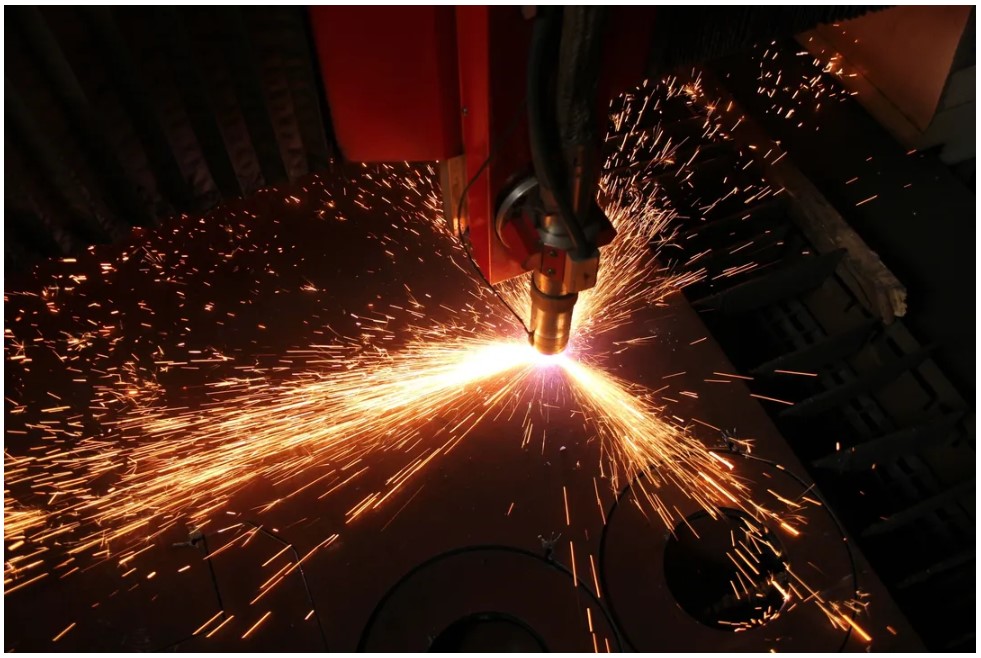
      Numerous laser cutting facilities across North America rely on inert gases, with Nitrogen (N2) standing out as the preferred choice for cutting mild steel, aluminum, and stainless steel. This method is known as high-pressure cutting, involves the application of nitrogen to assist in the cutting process.

      The use of nitrogen as an assist gas offers several advantages, including:
      1. Oxidation prevention: Nitrogen creates an inert atmosphere around the cutting area, preventing the formation of oxides on the cut edges of the material. This helps maintain the integrity of the cut and minimizes post-cutting cleanup.
      2. Clean cuts: Nitrogen assists in producing clean, precise cuts with minimal dross (residue) and smooth edges, enhancing the overall quality of the finished product.
      3. Increased cutting speeds: High-pressure cutting with nitrogen can lead to faster cutting speeds compared to other assist gases or methods, improving efficiency and productivity in laser cutting operations.
      4. Reduced heat-affected zone: Nitrogen helps dissipate heat from the cutting process more effectively, resulting in a smaller heat-affected zone (HAZ) along the edges of the cut material. This is particularly beneficial when cutting heat-sensitive materials like stainless steel.
      CONVENTIONAL SOURCES AND ON-SITE NITROGEN GAS GENERATION:

      ON-SITE NITROGEN GENERATOR

      NITROGEN CYLINDER

      LIQUID NITROGEN TANK

      Historically, industries have relied on traditional sources of nitrogen gas, such as delivered compressed gas cylinders or bulk liquid nitrogen. These traditional sources involve regular deliveries, storage infrastructure, and handling procedures, which can incur logistical challenges and operational costs. On the other hand, on-site nitrogen gas generating systems offer a more convenient and cost-effective alternative. These systems typically utilize technologies like pressure swing adsorption (PSA) or membrane separation to extract nitrogen from the surrounding atmospheric air. By generating nitrogen on-demand at the point of use, on-site systems eliminate the need for storing and handling bulky gas cylinders or liquid nitrogen tanks.

      ADVANTAGES OF ON-SITE NITROGEN GAS GENERATION:

      On-site nitrogen gas generation provides greater flexibility and autonomy to businesses, as they can produce nitrogen gas as needed, without relying on external suppliers. It reduces dependency on traditional nitrogen sources, mitigating the risk of supply disruptions and ensuring continuous operations. Additionally, on-site generation minimizes transportation costs, storage space requirements, and associated environmental impacts, contributing to sustainability efforts.

      CONSIDERATION:

      While on-site nitrogen generation offer numerous benefits, it requires an upfront investment in equipment and installation. Businesses need to evaluate factors such as initial capital expenditure, operating costs, and projected nitrogen consumption to determine the feasibility and return on investment of implementing onsite generation solutions.

      CONTACT US FOR FOLLOWING SERVICES:
      1. For auditing nitrogen gas consumption and associated expenses.
      2. A quote for rightly sized nitrogen gas generating system for your facility that can generate sufficient high-purity nitrogen gas on-site and based on demand to replace compressed gas cylinders or bulk liquid nitrogen.
      3. Understanding return on investment.

      Enquire Now