Categories
COMPRESSED AIR

UNDERSTAND THE IMPACT OF ELEVATION, HUMIDITY, AND TEMPERATURE ON AN AIR COMPRESSOR OUTPUT

ROTARY SCREW AIR COMPRESSOR

RECIPROCATING PISTON AIR COMPRESSOR

Air compressors are indispensable tools in various industries, providing compressed air for powering pneumatic tools, equipment, and processes. However, the performance and efficiency of air compressors can be influenced by environmental factors such as elevation, humidity, and air temperature. Understanding these factors and their effects is crucial for selecting the right compressor for specific applications.

elevation:

Elevation, or altitude above sea level, has a significant impact on air compressor performance due to changes in air density. As elevation increases, atmospheric pressure decreases, resulting in lower air density. This decrease in air density affects the compressor’s ability to draw in and compress air efficiently. At higher elevations, air compressors must work harder to produce the same level of compressed air output as they would at sea level.

The impact of elevation on compressor output can be quantified using altitude correction factors. These factors account for changes in atmospheric pressure and help adjust the compressor’s rated output to the actual operating conditions at a specific elevation. When sizing an air compressor for use at high elevations, it’s essential to consider the elevation correction factors to ensure adequate performance and efficiency.

humidity:

Humidity, or the moisture content in the air, also plays a role in air compressor performance. High humidity levels can lead to moisture buildup within the compressor system, affecting its operation and longevity. Moisture in compressed air can cause corrosion, rust, and damage to pneumatic equipment, impacting overall system efficiency and reliability.

In addition to moisture-related issues, humidity can affect air density, albeit to a lesser extent compared to elevation. As humidity increases, air density decreases slightly, affecting the compressor’s intake air and consequently its output. However, the effect of humidity on compressor performance is generally less significant than elevation or temperature.

To mitigate the effects of humidity, proper air treatment equipment such as air dryers and moisture separators should be incorporated into the compressed air system. These devices help remove moisture from the compressed air, ensuring clean, dry air for optimal equipment operation.

air temperature:

Air temperature is another crucial factor influencing air compressor performance. Changes in the temperature affect air density, viscosity, and compressor efficiency. As temperature increases, air density decreases, leading to lower compressor efficiency and output.

High temperatures can also cause overheating in air compressors, especially in rotary screw and reciprocating compressors. Overheating can result in decreased compressor lifespan, reduced performance, and increased maintenance requirements. Conversely, low temperatures can affect lubrication viscosity, potentially leading to lubrication-related issues in the compressor.

When sizing an air compressor for a specific application, it’s essential to consider the operating temperature range and ambient conditions. Compressors designed for high-temperature environments may incorporate features such as enhanced cooling systems and thermal protection to ensure reliable operation under varying temperature conditions.

Steps to Size the Right air Compressor for your Process:
  • Determine Air Demand: Calculate the total air consumption of pneumatic tools, equipment, and processes that the compressor will supply.
  • Consider Operating Conditions: Take into account factors such as elevation, humidity, and temperature at the installation site to adjust the compressor’s rated output accordingly.
  • Select Compressor Type: Choose the appropriate compressor type (e.g., rotary screw, reciprocating, centrifugal) based on air demand, duty cycle, and operating conditions.
  • Determine Horsepower (HP) Requirements: Calculate the compressor’s horsepower requirement based on the air demand, system pressure, and efficiency considerations.
  • Size Air Receiver Tank: Determine the size of the air receiver tank to provide storage and help stabilize pressure fluctuations in the compressed air system.
  • Install Air Treatment Equipment: Incorporate air treatment equipment such as filters, dryers, and separators to ensure clean, dry compressed air for optimal equipment operation.
  • Consider Future Expansion: Anticipate future growth and expansion of air usage to avoid undersizing the compressor and ensure scalability of the compressed air system.

Elevation, humidity, and air temperature are critical factors that can significantly impact air compressor performance and efficiency. By understanding how these factors affect compressor output and taking appropriate measures to compensate for them, businesses can select the right compressor for their specific applications. Proper sizing and consideration of operating conditions are essential for ensuring reliable and efficient operation of compressed air systems in various industrial settings.

Enquire Now

    Categories
    OXYGEN

    TRANSFORMING PULP & PAPER PRODUCTION WITH ON-SITE OXYGEN GAS GENERATING SYSTEMS AND THEIR IMPACT ON COST EFFICIENCY

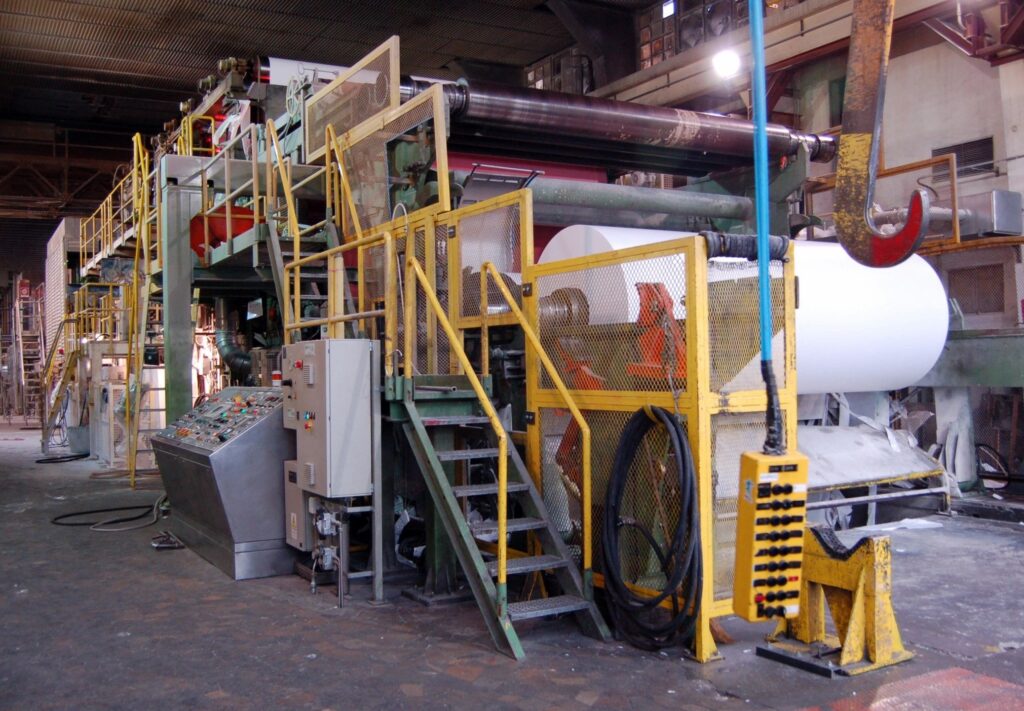
    In the bustling world of the pulp and paper industry, efficiency is the name of the game. From manufacturing to packaging, every step in the process demands meticulous attention to detail to ensure high-quality output while minimizing costs and environmental impact. One critical component in this equation is oxygen gas, which plays a multifaceted role in various stages of production. In recent years, the adoption of on-site oxygen gas generating systems has emerged as a game-changer, offering unprecedented benefits in terms of cost reduction, operational efficiency, and sustainability.

    The role of oxygen gas in pulp & paper production:

    Oxygen gas serves several indispensable functions within the pulp and paper manufacturing process. One of its primary applications is in bleaching, where it is used to remove color from pulp fibers, resulting in bright, white paper products. Oxygen delignification, a key step in the bleaching process, relies on the oxidative power of oxygen gas to break down lignin—a complex organic polymer found in wood fibers—without the need for environmentally harmful chlorine-based chemicals. Additionally, oxygen is utilized in wastewater treatment processes to enhance the degradation of organic pollutants, promoting environmental stewardship and regulatory compliance.

    Challenges with traditional oxygen supply methods:

    BULK LIQUID OXYGEN TANK

    HIGH-PRESSURE OXYGEN CYLINDER

    Historically, pulp and paper mills have relied on traditional methods of oxygen supply, such as cryogenic distillation or oxygen cylinders delivered from off-site suppliers. While effective, these methods present several drawbacks. Cryogenic distillation, for instance, requires large-scale infrastructure and significant energy consumption, making it less economically viable for smaller operations. On the other hand, reliance on oxygen cylinders entails logistical challenges, including transportation costs, storage space requirements, and supply chain vulnerabilities.

    The arrival of on-site oxygen gas generating systems:

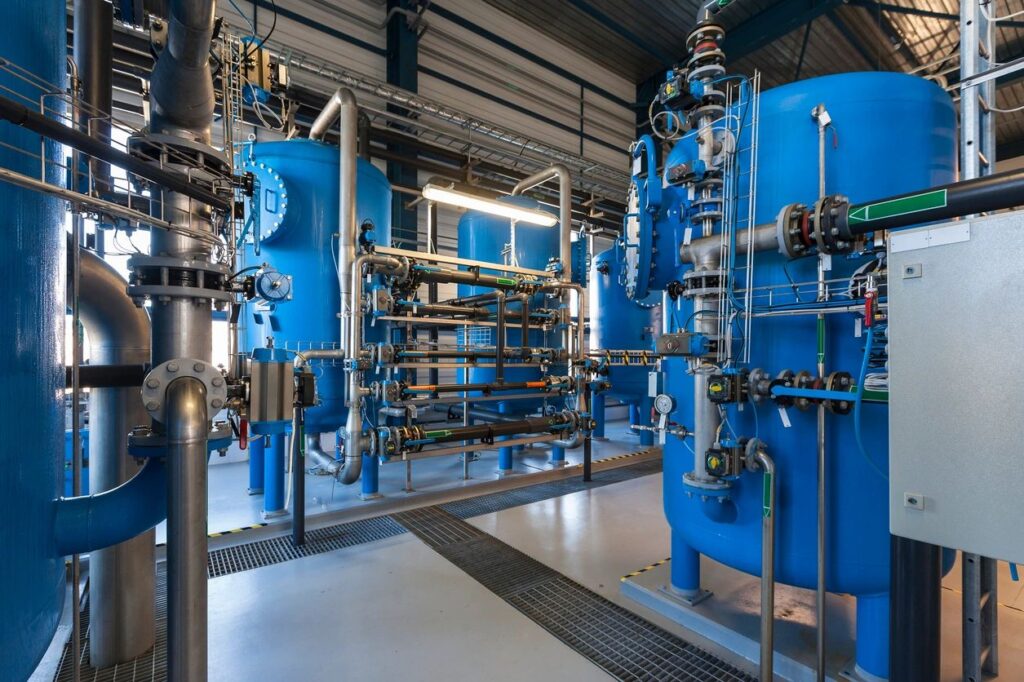
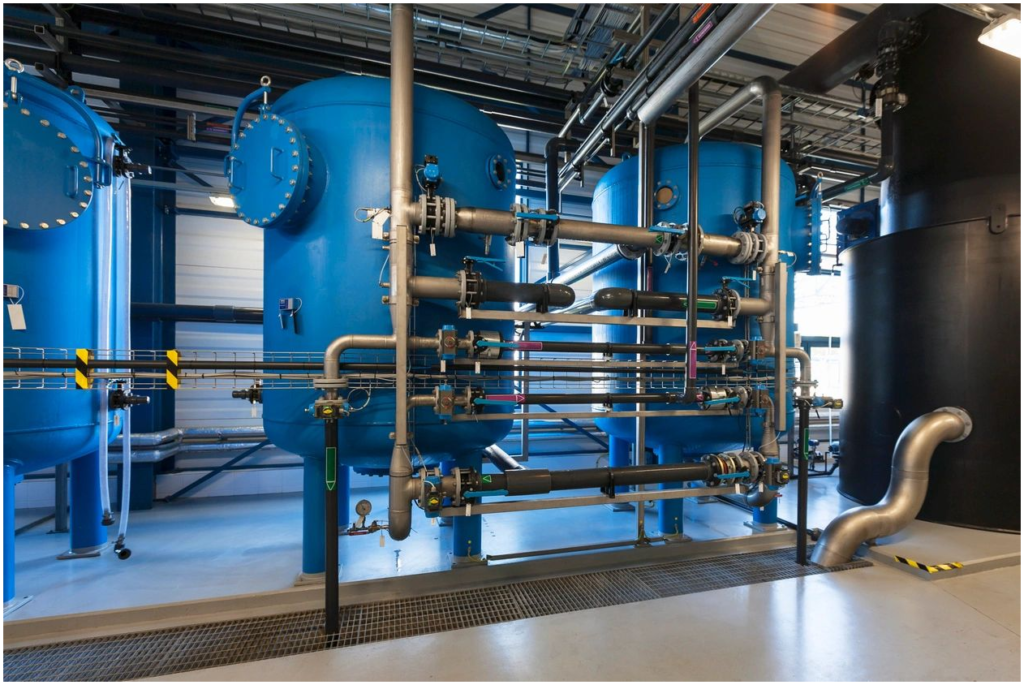
    Recognizing the limitations of conventional oxygen supply methods, many pulp and paper manufacturers have turned to on-site oxygen gas generating systems as a more sustainable and cost-effective alternative. These systems utilize advanced technologies, such as pressure swing adsorption (PSA) or vacuum pressure swing adsorption (VPSA), to extract oxygen from ambient air, purify it to industrial-grade standards, and deliver it directly to the point of use.

    Advantages of on-site oxygen generation:

    Cost Reduction: By eliminating the need for bulk oxygen deliveries and associated transportation expenses, on-site oxygen generation significantly reduces operational costs over time. Moreover, the scalability of these systems allows mills to adjust oxygen production according to fluctuating demand, further optimizing resource utilization.

    Operational Efficiency: On-site oxygen generation systems offer greater reliability and flexibility compared to traditional supply methods. With continuous oxygen availability on-site, mills can streamline production schedules, minimize downtime, and maintain consistent product quality, thereby enhancing overall operational efficiency.

    Environmental Sustainability: By producing oxygen on-site from ambient air, manufacturers can substantially reduce their carbon footprint and environmental impact. Unlike cryogenic distillation, which consumes large quantities of energy and emits greenhouse gases, on-site oxygen generation systems operate with greater energy efficiency and generate minimal waste, aligning with sustainability objectives.

    Supply Chain Resilience: In an increasingly interconnected global economy, disruptions to supply chains can pose significant challenges to business continuity. On-site oxygen generation empowers pulp and paper mills to enhance their resilience by reducing dependency on external suppliers and mitigating risks associated with supply chain disruptions, such as transportation delays or shortages.

    In the dynamic landscape of the pulp and paper industry, innovation is paramount to success. On-site oxygen gas generating systems represent a paradigm shift in oxygen supply management, offering a compelling combination of cost savings, operational efficiency, and environmental sustainability. As more manufacturers embrace this transformative technology, the industry as a whole stands to benefit from enhanced competitiveness, resilience, and stewardship of natural resources. Through strategic investments in on-site oxygen generation, pulp and paper mills can chart a course toward a brighter, more sustainable future.

    Enquire Now

      Categories
      COMPRESSED AIR

      THE ESSENTIAL ROLE OF COALESCING FILTERS IN THE COMPRESSED AIR INDUSTRY

      Compressed air serves as a vital utility in various industrial processes, from manufacturing and automotive to food and beverage production. However, ensuring the quality and purity of compressed air is paramount for the reliability and efficiency of these processes. One indispensable component in maintaining this quality is the coalescing filter.

      WHAT ARE COALESCING FILTERS?

      Coalescing filter elements are manufactured from specialized materials, including borosilicate micro-fiberglass, synthetic fibers, and thermoplastic resins, and are specialized filtration devices designed to remove contaminants such as oil, water, and particulate matter from compressed air systems. Unlike standard particulate filters, which are primarily designed to capture solid particles, coalescing filters are engineered to capture liquid aerosols and fine mist droplets that may be present in the compressed air stream.

      IMPORTANCE IN THE COMPRESSED AIR INDUSTRY

      Purity Assistance: Many applications, particularly in sensitive industries such as pharmaceuticals, electronics manufacturing, and healthcare, require compressed air of the highest purity. Contaminants like oil and water vapor can compromise product quality, damage equipment, or even pose safety risks. Coalescing filters play a crucial role in ensuring that compressed air meets the stringent purity standards demanded by these industries.

      Equipment Protection: Compressed air systems are susceptible to wear and damage caused by contaminants. Oil and water can accumulate in pneumatic tools, valves, and actuators, leading to corrosion, malfunctions, and premature failure. By effectively removing these contaminants, coalescing filters help extend the lifespan of equipment and reduce maintenance costs.

      Enhanced Efficiency: Contaminants in compressed air systems can hinder the performance and efficiency of pneumatic equipment. For instance, water vapor can cause air-powered tools to malfunction or operate sub-optimally. By eliminating moisture and other impurities, coalescing filters ensure consistent and reliable operation, thereby maximizing productivity and minimizing downtime.

      Compliance with Regulations: Various regulatory bodies, such as the Food and Drug Administration (FDA) and the Occupational Safety and Health Administration (OSHA), enforce strict guidelines regarding air quality in certain industries. Failure to meet these standards can result in fines, product recalls, or legal liabilities. Coalescing filters aid businesses in complying with these regulations by maintaining the purity of compressed air used in critical processes.

      Cost Saving: While the initial investment in coalescing filters may seem significant, their long-term benefits far outweigh the costs. By preventing equipment damage, minimizing downtime, and ensuring product quality, coalescing filters contribute to substantial cost savings over time. Moreover, the efficient operation of compressed air systems results in lower energy consumption and reduced maintenance expenses.

      Coalescing filters are indispensable components of compressed air systems, playing a pivotal role in ensuring air quality, protecting equipment, and enhancing operational efficiency. As industries continue to demand higher levels of purity and reliability from compressed air sources, the importance of coalescing filters cannot be overstated. Investing in high-quality coalescing filtration solutions is not just a matter of compliance but also a strategic decision to safeguard assets, optimize processes, and drive sustainable growth in the compressed air industry.

      Enquire Now

        Categories
        NITROGEN

        MAXIMIZING PERFORMANCE AND SAFETY: THE ROLE OF NITROGEN GAS IN AIRCRAFT AND AUTOMOBILE TIRE FILLING

        In Aviation and Automotive industries, safety and performance are paramount. Every component and every decision made can have a significant impact on efficiency, reliability, and safety. One such crucial element often overlooked is tire inflation. While air has been the traditional choice for tire inflation, nitrogen gas has emerged as a superior alternative for aircraft and automobile tires, offering numerous benefits. Moreover, the adoption of onsite nitrogen gas generators presents a compelling case for cost-efficiency and convenience. Let’s delve into the significance of nitrogen gas and the advantages of having your own onsite nitrogen gas generator.

        Nitrogen gas: enhancing performance & safety

        Pressure Stability: Nitrogen molecules are larger than oxygen molecules, reducing the rate at which they permeate through tire walls. This characteristic ensures more stable tire pressure over time, reducing the frequency of tire pressure checks and adjustments. Stable tire pressure is critical for maintaining optimal performance and handling, especially in aircraft where precision and stability are paramount.

        Reduced Oxidation & Corrosion: Nitrogen is an inert gas, meaning it does not react with other substances. Unlike oxygen, which can cause oxidation and corrosion, nitrogen minimizes these risks. In aircraft, where tires are subjected to extreme conditions including high speeds, temperature variations, and exposure to various chemicals on runways, the reduced risk of oxidation and corrosion translates to enhanced tire longevity and safety.

        Temperature Stability: Nitrogen exhibits less temperature sensitivity compared to air. This property reduces the fluctuations in tire pressure that occur due to temperature changes during flight or driving. Consistent tire pressure ensures predictable handling characteristics and minimizes the risk of blowouts, particularly critical for aircraft during takeoff and landing.

        Water Vapour Reduction: Nitrogen gas is typically dry, containing minimal moisture compared to compressed air. Water vapor inside tires can lead to fluctuations in tire pressure as it expands and contracts with temperature changes. By using nitrogen, the presence of water vapor is significantly reduced, ensuring more consistent tire pressure and minimizing the risk of tire failure.

        Safety: The inert nature of nitrogen reduces the risk of combustion or explosion in case of a tire failure, providing an additional layer of safety, particularly in high-risk environments such as aircraft operations.

        Onsite Nitrogen Gas Generation: Cost Efficiency and Convenience

        STATIONARY ON-SITE NITROGEN GAS GENERATING SYSTEM

        MOBILE CONTAINERIZED ON-SITE NITROGEN GAS GENERATING SYSTEM

        While the benefits of nitrogen gas for tire inflation are clear, the logistics of sourcing and transporting nitrogen cylinders can be cumbersome and costly, particularly for industries with high-demand requirements like aviation and automotive. The adoption of onsite nitrogen gas generators presents an attractive solution to this challenge. These generators utilize advanced membrane or pressure swing adsorption (PSA) technology to extract nitrogen from the surrounding air, delivering a continuous and reliable source of high-purity nitrogen on-site. The advantages of onsite nitrogen gas generation include:

        Cost Savings: Eliminating the need for external nitrogen supply contracts and transportation expenses results in significant cost savings over time. Onsite generation allows businesses to produce nitrogen on demand, reducing operational costs associated with downtime and logistics.

        Convenience and Accessibility: Having a nitrogen generator on-site provides immediate access to nitrogen gas whenever needed, eliminating the delays associated with ordering and delivery. This convenience is particularly beneficial in critical applications where downtime is not an option.

        Customization & Scalability: Onsite nitrogen generators can be tailored to meet specific flow rate and purity requirements, ensuring optimal performance for diverse applications. Additionally, these systems can be easily scaled up or down to accommodate fluctuating demand, offering flexibility and efficiency.

        Environmental Sustainability: Onsite nitrogen generation reduces the carbon footprint associated with transportation and distribution of nitrogen cylinders, contributing to environmental sustainability and corporate social responsibility goals.

        Reliability: With onsite nitrogen generation, businesses have greater control over their nitrogen supply, minimizing the risk of disruptions caused by external factors such as supply chain issues or delivery delays.

        The use of nitrogen gas for aircraft and automobile tire filling offers significant performance and safety benefits compared to traditional air inflation. The adoption of onsite nitrogen gas generators further enhances efficiency, cost-effectiveness, and convenience, making them a compelling investment for industries prioritizing safety, reliability, and sustainability in their operations. As technology continues to advance, the integration of nitrogen gas solutions is set to play an increasingly pivotal role in optimizing performance across various sectors.

        Enquire Now

          Categories
          OXYGEN

          OPTIMIZING AQUACULTURE SUCCESS: THE VITAL ROLE OF OXYGEN GAS IN FISH FARMING AND AQUACULTURE

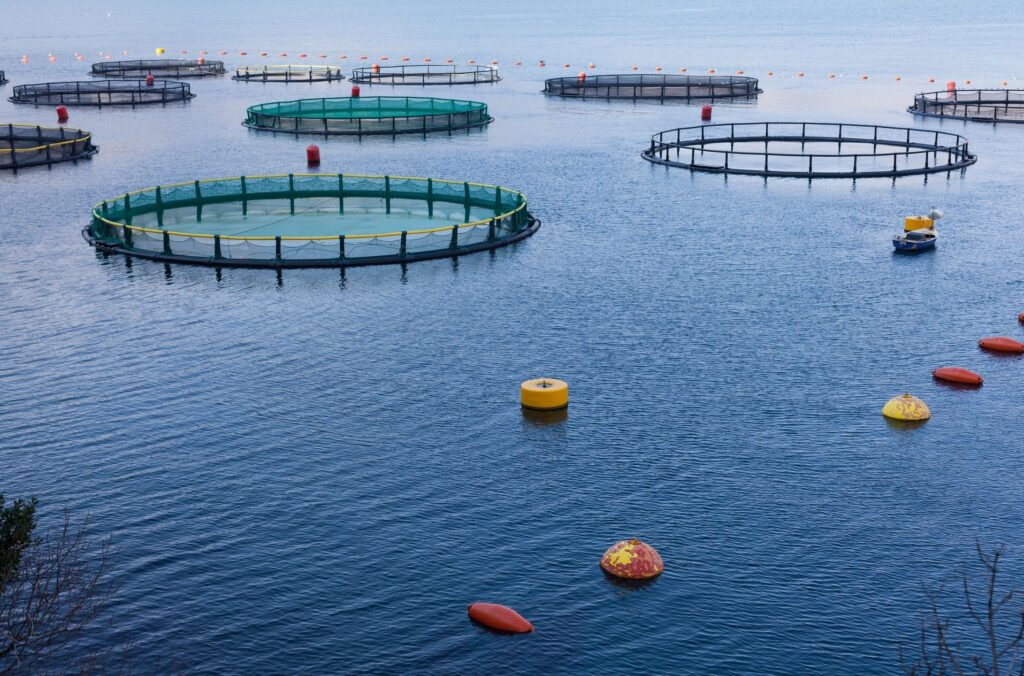
          Aquaculture industry, where the delicate balance of water quality directly influences the health and growth of aquatic organisms, the role of oxygen gas cannot be emphasized enough. Oxygen is not only essential for the respiration of fish but also plays a crucial role in maintaining optimal water quality parameters. The strategic use of oxygen gas in fish farming and aquaculture represents a cornerstone of modern aquaculture practices. By ensuring adequate oxygenation, fish farmers can create optimal conditions for fish growth, health, and overall farm productivity. As the aquaculture industry continues to expand to meet growing global demands for seafood, the effective management of dissolved oxygen levels will remain paramount in ensuring the sustainability and success of fish farming operations.

          The importance of Oxygen in Aquaculture:

          Oxygen is fundamental for the survival of all aquatic organisms, including fish. In a closed aquaculture system, such as tanks or ponds, the dissolved oxygen (DO) levels can fluctuate due to various factors, including stocking density, temperature, and organic load. Insufficient oxygen levels can lead to stress, reduced growth rates, and increased susceptibility to diseases among fish populations. By supplementing oxygen gas into the aquaculture system, farmers can actively manage and optimize DO levels, thereby enhancing the overall health and productivity of their fish stocks. This proactive approach not only mitigates the risks associated with oxygen depletion but also creates an environment conducive to improved feed conversion rates and accelerated growth.

          Techniques for oxygenation in Aquaculture:

          Several techniques are employed to introduce oxygen gas into aquaculture systems, ranging from simple aeration to sophisticated oxygenation systems. Aeration, which involves the agitation of water to facilitate gas exchange at the water surface, is commonly used in small-scale operations and extensive pond systems. In contrast, more advanced methods such as oxygen injection systems utilize specialized equipment to directly infuse oxygen gas into the water column, ensuring precise control over dissolved oxygen levels. These systems offer greater efficiency and flexibility, particularly in intensive recirculating aquaculture systems (RAS) where space and water quality management are critical.

          Some of the Fish Breeds Benefitting from Oxygenation:

          Various fish breeds exhibit enhanced growth rates, improved feed conversion efficiencies, and overall better health outcomes when reared under oxygen-enriched conditions. Some notable species that particularly benefit from oxygenation in aquaculture include:

          Trout: Cold-water species like trout require well-oxygenated water to thrive. Oxygen supplementation becomes crucial, especially in intensive farming systems where water temperatures may rise, leading to decreased oxygen solubility.

          Salmon: Salmon farming, particularly in RAS facilities, relies heavily on oxygenation to maintain water quality and support the high stocking densities characteristic of intensive production systems.

          Tilapia: Tilapia are highly adaptable and fast-growing fish commonly cultivated in aquaculture. Optimal oxygen levels are essential for maximizing their growth potential and minimizing stress-related issues.

          Catfish: Species such as channel catfish are popular choices in aquaculture due to their rapid growth and tolerance to a wide range of environmental conditions. Oxygenation ensures optimal growth rates and reduces the risk of disease outbreaks.

          on-site oxygen gas generating systems are transforming aquaculture practices:

          MOBILE CONTAINERIZED OXYGEN GAS GENERATING SYSTEM

          STATIONARY OXYGEN GAS GENERATING SYSTEM

          On-site oxygen gas generators are revolutionizing the aquaculture industry by providing a reliable and cost-effective solution to oxygen supplementation. These generators utilize advanced PSA or VPSA technologies to produce oxygen gas directly at the aquaculture facility, eliminating the need for transportation and storage of oxygen cylinders or liquid bulk tanks. By generating oxygen on demand, fish farmers can ensure a continuous and consistent supply of oxygen to their fish tanks or ponds, regardless of location or infrastructure constraints. This flexibility enables aquaculture operations to optimize oxygen levels based on real-time monitoring, resulting in improved water quality, enhanced fish health, and increased production efficiency. Furthermore, on-site oxygen generation reduces reliance on external suppliers, mitigates logistical challenges, and lowers operational costs, making it a sustainable and environmentally friendly choice for modern aquaculture facilities.

          Enquire Now

            Categories
            OXYGEN

            UNLEASHING THE POTENTIAL OF OXYGEN GAS IN WASTEWATER TREATMENT PLANTS

            Wastewater treatment is a critical process in maintaining environmental sustainability and public health. One key component of effective wastewater treatment is the use of oxygen gas. Oxygen gas plays an important role in facilitating the breakdown of organic matter, removing pollutants, and ensuring the purification of wastewater before it is released back into the environment. By harnessing the power of oxygen gas, wastewater treatment plants can achieve their objectives of protecting public health, safeguarding the environment, and promoting sustainable water management practices.

            AERATION:

            Aeration is a fundamental step in wastewater treatment where oxygen gas is introduced into the wastewater. This is typically done through mechanical aeration systems such as diffusers, aerators, or cascading water. The introduction of oxygen promotes aerobic microbial activity, facilitating the breakdown of organic pollutants present in the wastewater. As microorganisms consume organic matter, they metabolize it into simpler, less harmful substances, effectively treating the wastewater.

            aCTIVATED SLUDGE PROCESS:

            The activated sludge process is a widely used method in wastewater treatment plants that relies on the addition of oxygen gas. In this process, wastewater is mixed with a culture of microorganisms (activated sludge) in an aerated tank. The microorganisms utilize the oxygen to metabolize organic pollutants present in the wastewater, thereby reducing its pollutant load. The oxygen-rich environment promotes the growth and activity of beneficial bacteria, resulting in the decomposition of organic matter and the removal of nutrients such as nitrogen and phosphorus.

            OXIDATION:

            Oxygen gas is also utilized in wastewater treatment for oxidation purposes. Oxidation involves the chemical reaction between oxygen and various pollutants present in the wastewater, converting them into less harmful or inert substances. For example, oxygen can be used to oxidize ammonia to nitrate in a process known as nitrification, which helps in the removal of nitrogen from wastewater. Similarly, oxygen can aid in the oxidation of sulfides to sulfates, reducing the odor and toxicity associated with hydrogen sulfide in wastewater.

            ODOR CONTROL:

            In addition to its role in wastewater treatment processes, oxygen gas is also employed for odor control in wastewater treatment plants. Odor issues often arise due to the presence of sulfur compounds and other volatile organic compounds in wastewater. Introducing oxygen helps in promoting aerobic conditions, which inhibit the growth of odor-producing anaerobic bacteria and facilitate the degradation of odorous compounds. By maintaining proper aeration levels, wastewater treatment plants can effectively mitigate odor concerns, ensuring a more pleasant working environment and reducing nuisance for surrounding communities.

            Energy Efficiency & Sustainability:

            The use of oxygen gas in wastewater treatment offers several benefits in terms of energy efficiency and sustainability. Mechanical aeration systems can be designed to optimize oxygen transfer efficiency, minimizing energy consumption and operational costs. Additionally, by promoting aerobic processes, oxygenation reduces the generation of sludge and the associated costs of sludge handling and disposal. Furthermore, efficient wastewater treatment helps in preserving water quality and safeguarding ecosystems, contributing to overall environmental sustainability.

            Improving Wastewater Treatment Efficiency with Onsite Oxygen Gas Generation:

            MOBILE CONTAINERIZED ON-SITE OXYGEN GAS GENERATING SYSTEM

            STATIONARY ON-SITE OXYGEN GAS GENERATING SYSTEM

            Onsite oxygen gas generators offer a myriad of benefits for wastewater treatment processes. By producing oxygen directly at the treatment facility, these generators eliminate the need for reliance on external sources, such as oxygen cylinders or liquid oxygen tanks, thereby reducing transportation costs and logistical complexities. Moreover, onsite oxygen generation provides a continuous and reliable supply of oxygen, ensuring uninterrupted operation of aeration systems and other oxygen-dependent processes in wastewater treatment plants. This not only enhances operational efficiency but also allows for better control over oxygen levels, leading to optimized treatment performance and improved water quality. Additionally, onsite oxygen gas generators contribute to sustainability efforts by reducing energy consumption associated with oxygen production and transportation, thereby minimizing the carbon footprint of wastewater treatment operations. Overall, the integration of onsite oxygen gas generators represents a cost-effective, reliable, and environmentally friendly solution for enhancing the effectiveness and sustainability of wastewater treatment processes.

            Enquire Now

              Categories
              NITROGEN

              UNLOCKING PRECISION AND RELIABILITY: THE CRUCIAL ROLE OF NITROGEN GAS IN THE ELECTRONICS INDUSTRY

              In the field of electronics manufacturing, where precision and reliability are the supreme priorities, nitrogen emerges as a silent hero, facilitating processes critical to the production of high-quality electronic components. From soldering to conformal coating, nitrogen gas plays a multifaceted role, safeguarding against oxidation, enhancing efficiency, and ensuring the longevity of electronic devices.

              Preventing Oxidation:

              One of the primary challenges in electronics manufacturing is preventing oxidation, especially during high-temperature processes like soldering. Oxidation can compromise the integrity of solder joints, leading to defects and failures in electronic components. Nitrogen gas & its inert nature make it an ideal candidate for creating oxygen-free or low-oxygen environments, shielding delicate components from the harmful effects of oxidation. In reflow soldering and wave soldering, nitrogen displaces oxygen, ensuring clean, reliable solder joints and minimizing defects.

              Reducing Dross Formation:

              In the wave soldering process, where molten solder is used to create connections between electronic components and circuit boards, nitrogen gas serves as a guardian against dross formation. Dross, the undesirable byproduct of soldering, can accumulate on equipment and circuit boards, impeding performance and requiring additional cleaning efforts. By introducing nitrogen into the soldering environment, manufacturers mitigate dross formation, improving the quality and efficiency of the soldering process.

              Enhancing Conformal Coating:

              Conformal coatings play a vital role in protecting electronic components from environmental hazards such as moisture, dust, and chemicals. Nitrogen gas finds its application here too. By displacing oxygen during the coating process, nitrogen enhances the quality and adhesion of conformal coatings, ensuring comprehensive protection for sensitive electronic components and circuit boards. This meticulous process guards against corrosion and prolongs the lifespan of electronic devices, particularly those deployed in harsh environments.

              Precision Laser Operations:

              Laser cutting and marking have become indispensable techniques in electronics manufacturing, offering unparalleled precision and versatility. However, the high temperatures involved in laser operations can induce oxidation in materials like printed circuit boards (PCBs) and semiconductor wafers. Nitrogen gas comes to the rescue once again, creating an inert atmosphere around the laser beam, thereby preventing oxidation and enabling clean, precise cuts and markings. This ensures the integrity and functionality of electronic components remain uncompromised.

              Moisture Control:

              Moisture poses a significant threat to the performance and reliability of electronic components, particularly semiconductors. Nitrogen gas plays a crucial role in moisture control by creating a dry environment in the storage and packaging of electronic components. By displacing moisture-laden air with nitrogen, manufacturers safeguard components against degradation during storage and transportation, preserving their quality and performance over time.

              importance of having an on-site nitrogen gas generator in an electronics manufacturing environment:

              Nitrogen gas generators have become indispensable tools in the electronics industry, revolutionizing manufacturing processes and offering numerous advantages over traditional methods of nitrogen supply. These generators produce high-purity nitrogen gas on-demand, tailored to the specific needs of electronics manufacturing. Here’s how on-site nitrogen gas generators are helping the electronics industry.

              ON-SITE NITROGEN GAS GENERATOR

              Cost Efficiency: eliminating the need for purchasing nitrogen cylinders or bulk liquid nitrogen, significantly reducing operational costs associated with nitrogen supply. Once installed, these generators produce nitrogen gas continuously at a fraction of the cost of traditional nitrogen procurement methods, leading to substantial long-term savings for electronics manufacturers.

              Convenience and Accessibility: Electronics manufacturers have immediate access to a reliable nitrogen supply whenever and wherever it is needed. There’s no dependence on external suppliers or transportation logistics, streamlining production processes and minimizing downtime associated with nitrogen shortages.

              Customization: Provide precise control over the purity and flow rate of nitrogen gas produced. This level of customization is particularly crucial in electronics manufacturing, where different processes require varying levels of nitrogen purity and flow. Manufacturers can adjust the generator settings to meet the specific requirements of soldering, coating, laser operations, and other critical processes, ensuring optimal performance and quality.

              Safety: Eliminates the safety risks associated with handling and storing high-pressure nitrogen cylinders or bulk liquid nitrogen. By producing nitrogen gas on-site, manufacturers reduce the potential for accidents, leaks, and injuries related to nitrogen transportation and storage, enhancing workplace safety and compliance with regulatory standards.

              Environmental Sustainability: Promote environmental sustainability by minimizing the carbon footprint associated with nitrogen production and transportation. Unlike traditional nitrogen supply methods that rely on energy-intensive manufacturing processes and transportation networks, on-site generators utilize air as a free and abundant source of nitrogen, reducing greenhouse gas emissions and environmental impact.

              Continuous Operation: On-site nitrogen gas generators can operate continuously, providing a steady and uninterrupted supply of nitrogen gas to support round-the-clock manufacturing operations. This reliability is essential in the electronics industry, where production schedules are often tight, and downtime can result in significant financial losses.

              Enquire Now

                Categories
                NITROGEN

                NITROGEN GAS GENERATORS ARE REVOLUTIONIZING LABORATORY ENVIRONMENTS

                Nitrogen gas, a colorless, odorless, and tasteless element, constitutes approximately 78% of Earth’s atmosphere. While its presence in the air might seem unnoticeable, nitrogen gas plays a crucial role in various laboratory applications across scientific disciplines. From preserving sensitive samples to maintaining controlled environments, the significance of nitrogen gas in laboratories cannot be overstated.

                Preservation of Sensitive Samples:

                One of the primary uses of nitrogen gas in laboratories is to create an inert environment essential for preserving sensitive samples. Oxygen, present in the air, can lead to oxidation and degradation of many materials, especially those used in biochemical research, pharmaceuticals, and food storage. By displacing oxygen with nitrogen, researchers can prevent undesired chemical reactions and maintain the integrity of their samples over time.

                Chromatography and Spectroscopy:

                In chromatography and spectroscopy techniques, such as high-performance liquid chromatography (HPLC) and mass spectrometry, nitrogen gas serves multiple purposes. It is used as a carrier gas in gas chromatography to transport samples through the chromatographic column. Additionally, in mass spectrometry, nitrogen gas is utilized as a collision gas in collision-induced dissociation (CID) experiments, aiding in the fragmentation of molecules for analysis.

                Controlled Atmospheres:

                Certain experiments and processes require precise control over environmental conditions, including temperature, humidity, and gas composition. Nitrogen gas is often employed to create controlled atmospheres in laboratory chambers and glove boxes. These environments are crucial for conducting experiments with sensitive materials, such as semiconductor fabrication, where even trace amounts of oxygen or moisture can adversely affect the outcome.

                Chemical Synthesis and Inerting:

                Nitrogen gas serves as an inert gas in various chemical synthesis processes, particularly those involving reactive or pyrophoric compounds. By purging reaction vessels and equipment with nitrogen gas, researchers can remove traces of oxygen and moisture, preventing unwanted side reactions and ensuring the safety of the experimental setup. Moreover, nitrogen gas is utilized in inerting applications to displace flammable or reactive gases, reducing the risk of fire or explosion in laboratory settings.

                Safety Precautions and Emergency Procedures:

                Beyond its role in experimental procedures, nitrogen gas is also employed in laboratory safety measures and emergency protocols. In the event of a fire, nitrogen gas can be used to suppress flames by displacing oxygen and inhibiting combustion.

                SIGNIFICANCE OF ON-SITE NITROGEN GAS GENERATOR IN A LABORATORY ENVIRONMENT:

                ON-SITE NITROGEN GAS GENERATOR

                In the dynamic landscape of modern laboratories, efficiency, cost-effectiveness, and reliability are paramount. Among the many tools and technologies utilized in laboratory settings, on-site nitrogen gas generators have emerged as indispensable assets, revolutionizing the way laboratories handle their nitrogen gas supply. These systems offer numerous advantages over traditional methods of nitrogen gas procurement and storage, significantly impacting laboratory operations and experimental outcomes. On-site nitrogen gas generator offers a multitude of advantages, including independence from external suppliers, cost-effectiveness, customizable gas production, continuous supply, and environmental sustainability. By embracing on-site nitrogen gas generation technology, laboratories can enhance their efficiency, reliability, and safety while optimizing experimental outcomes and driving scientific innovation forward. As laboratories continue to evolve, on-site nitrogen gas generators will undoubtedly remain essential assets, empowering researchers to pursue their scientific endeavors with confidence and precision.

                Enquire Now

                  Categories
                  NITROGEN

                  HARNESSING THE POWER OF ON-SITE NITROGEN GAS GENERATION IN THE OIL & GAS INDUSTRY

                  In the field of the oil and gas industry, efficiency, safety, and cost-effectiveness are paramount. Nitrogen gas plays a crucial role in the oil and gas sector, particularly in processes such as blanketing, purging, and inerting. As technology advances, companies are continually seeking innovative solutions to enhance their operations while mitigating risks and reducing expenses. One such advancement that has gained significant traction in Upstream, Midstream & Downstream sectors is the utilization of on-site nitrogen gas generators. These systems offer a plethora of benefits, ranging from enhanced safety measures to substantial cost savings, making them a valuable asset in various oil and gas applications.

                  THE OIL AND GAS INDUSTRY BENEFITS IMMENSELY FROM THE ADOPTION OF ON-SITE NITROGEN GAS GENERATORS ACROSS VARIOUS APPLICATIONS:

                  MOBILE CONTAINERIZED ON-SITE NITROGEN GAS GENERATOR

                  STATIONARY ON-SITE NITROGEN GAS GENERATOR

                  Versatility in Applications: On-site nitrogen generators find applications across various segments of the oil and gas industry, including well drilling, pipeline purging, pressure testing, blanketing, and enhanced oil recovery (EOR) operations. Their versatility allows companies to address a wide range of nitrogen requirements across different stages of the production process, thereby optimizing efficiency and performance.

                  Enhanced Safety: Safety is paramount in the oil and gas sector, where operations often involve hazardous materials and environments. On-site nitrogen generators reduce safety risks associated with the transportation, handling, and storage of nitrogen cylinders or tanks. With nitrogen produced on-site, the potential for accidents during transportation or storage is significantly minimized, ensuring a safer work environment for personnel.

                  Increased Operational Efficiency: On-site nitrogen generators offer a dependable source of nitrogen gas, eliminating delays caused by supply chain disruptions or depleted nitrogen cylinders or liquid tanks. This ensures uninterrupted operations, minimizing downtime and optimizing productivity. Additionally, these generators can be customized to meet specific flow rate and purity requirements, providing flexibility to adapt to varying operational demands.

                  Environmental Sustainability: On-site nitrogen generators promote environmental sustainability by reducing the carbon footprint associated with transportation and distribution of nitrogen. By generating nitrogen gas on-site using air as the feedstock, companies can minimize greenhouse gas emissions and decrease reliance on fossil fuel-based transportation, aligning with sustainability goals and regulatory requirements.

                  Cost Savings: Cost considerations are a crucial factor for any business, and the oil and gas industry is no exception. On-site nitrogen generation offers substantial cost savings compared to traditional nitrogen supply methods. By eliminating recurring rental fees, delivery charges, and bulk nitrogen purchase costs, companies can achieve significant reductions in their nitrogen-related expenses over time, resulting in improved bottom-line profitability.

                  Enquire Now

                    Categories
                    BLOGS

                    INDUSTRIAL

                    THE IMPORTANCE OF DEWPOINT IN ON-SITE OXYGEN GAS GENERATION: GETTING THE RIGHT DRYING TECHNOLOGY FOR YOUR PROCESS
                    On-site oxygen generation using PSA (Pressure Swing Adsorption) technology has become the …
                    WHY TWIN TOWER OXYGEN GAS GENERATORS REMAIN THE MOST PRACTICAL CHOICE FOR INDUSTRY
                    When it comes to on-site oxygen gas generation, the debate between traditional …
                    UNDERSTANDING BUILDING BLOCKS OF AN OXYGEN GAS GENERATING SYSTEM
                    Oxygen gas generating systems are vital for industries such as healthcare, aquaculture, …
                    WHY INDUSTRIAL GAS USERS SHOULD RETHINK RENTAL CYLINDER SUPPLY: THE CASE FOR ON-SITE NITROGEN & OXYGEN GAS GENERATION
                    Across industries—from food packaging and laser cutting to hospitals, labs, 3D printing, …