Categories
NITROGEN

THE ADVANTAGES OF USING NITROGEN GAS IN PLASTIC INJECTION MOLDING AND ON-SITE NITROGEN GAS GENERATION

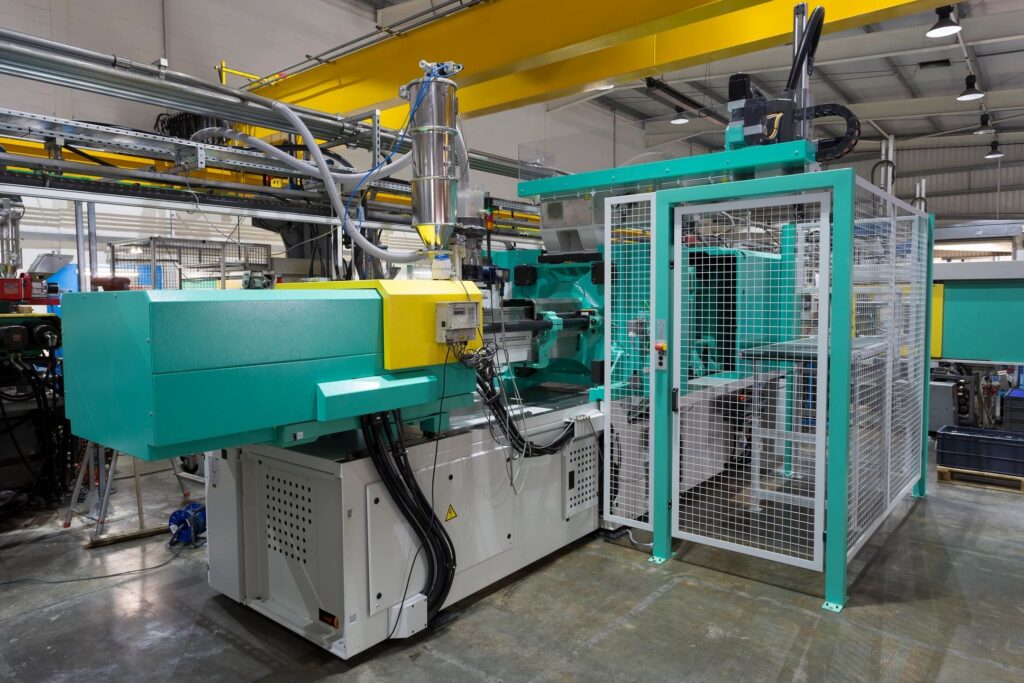
Nitrogen gas injection molding has emerged as a transformative technology in the manufacturing sector, particularly in the plastic injection molding industry. By leveraging the benefits of nitrogen gas, manufacturers can significantly enhance the quality, efficiency, and cost-effectiveness of their production processes. In this article, we delve into the advantages of nitrogen gas injection molding and why onsite nitrogen gas generation stands out as the optimal solution for meeting the industry’s nitrogen needs.

The Benefits of Nitrogen Gas Injection Molding:

Improved Product Quality:

Nitrogen gas serves as an excellent inert atmosphere during the injection molding process. By displacing oxygen, moisture, and other impurities, nitrogen minimizes the risk of defects such as bubbles, voids, and surface imperfections in molded parts. This results in higher-quality products with superior mechanical properties and enhanced aesthetics.

Enhanced Process Control:

Nitrogen gas injection enables precise control over the molding environment, including temperature and pressure conditions. This level of control is particularly beneficial for sensitive materials or intricate molding designs where even minor variations can impact product quality. With nitrogen gas, manufacturers can achieve consistent results, reduce scrap rates, and optimize production parameters for maximum efficiency.

Faster Cycle Times:

The use of nitrogen gas facilitates faster cooling of molded parts, leading to shorter cycle times in injection molding processes. Rapid cooling minimizes the time required for each molding cycle, thereby increasing overall production throughput. This accelerated production rate enables manufacturers to meet tight deadlines, fulfill large orders, and maintain a competitive edge in the market.

Reduced Material Waste:

Nitrogen gas injection molding allows for the production of thinner-walled parts without compromising structural integrity. By optimizing the molding process to use less material while maintaining strength and dimensional accuracy, manufacturers can significantly reduce material waste and associated costs. This not only enhances sustainability but also improves profitability by maximizing material utilization.

On-site Nitrogen Gas Generation: The Preferred Solution

While nitrogen gas offers numerous benefits for injection molding operations, the traditional method of sourcing nitrogen from external suppliers presents several challenges, including logistical complexities, dependency on deliveries, and fluctuating costs. In contrast, on-site nitrogen gas generation emerges as the superior solution, offering the following advantages:

COMPRESSED NITROGEN GAS CYLINDERS
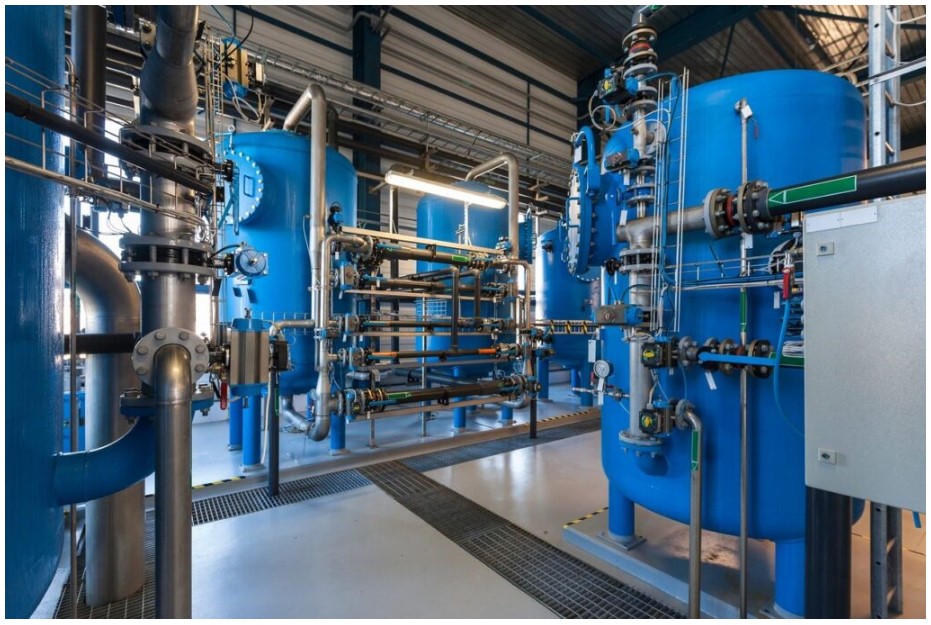
ON-SITE NITROGEN GAS GENERATING SYSTEM

LIQUID NITROGEN BULK TANK

Independence and Convenience:

On-site nitrogen gas generation systems empower manufacturers to produce nitrogen gas on-demand, directly at their facilities. This eliminates the need to rely on external suppliers and simplifies logistics, ensuring a continuous and reliable nitrogen supply without interruptions or delays. Manufacturers gain greater control over their production schedules and can respond promptly to changing demand dynamics.

Cost–Efficiency:

Generating nitrogen gas onsite is a cost-effective alternative to purchasing bulk nitrogen cylinders or dewars. By eliminating transportation costs, rental fees, and markup charges associated with external suppliers, manufacturers can achieve significant cost savings in the long run. Additionally, onsite nitrogen generation systems operate on an energy-efficient basis, further reducing operational expenses.

Scalability and Flexibility:

Onsite nitrogen generation systems offer scalability to accommodate varying production requirements. Whether it’s a small-scale operation or a large manufacturing facility, these systems can be tailored to meet specific nitrogen demand levels. Moreover, manufacturers have the flexibility to adjust nitrogen production parameters in real-time, ensuring optimal efficiency and resource utilization.

Environmental Sustainability:

By generating nitrogen gas on-site, manufacturers minimize their carbon footprint and contribute to environmental sustainability. Compared to traditional nitrogen supply methods that involve transportation and storage, onsite generation reduces greenhouse gas emissions and energy consumption associated with nitrogen production and distribution. This aligns with the industry’s commitment to sustainable manufacturing practices.

Nitrogen gas injection molding represents a paradigm shift in the plastic injection molding industry, offering unparalleled benefits in terms of product quality, process efficiency, and cost-effectiveness. By embracing onsite nitrogen gas generation, manufacturers can unlock greater operational autonomy, cost savings, and environmental stewardship. As the industry continues to evolve, investing in nitrogen gas injection molding technology and on-site nitrogen gas generation capabilities will be essential for staying ahead of the curve and achieving sustainable growth.

Enquire Now

    Categories
    NITROGEN

    ENHANCING GRAIN STORAGE: THE ROLE OF NITROGEN GAS AND ON-SITE NITROGEN GAS GENERATION

    Grain Storage

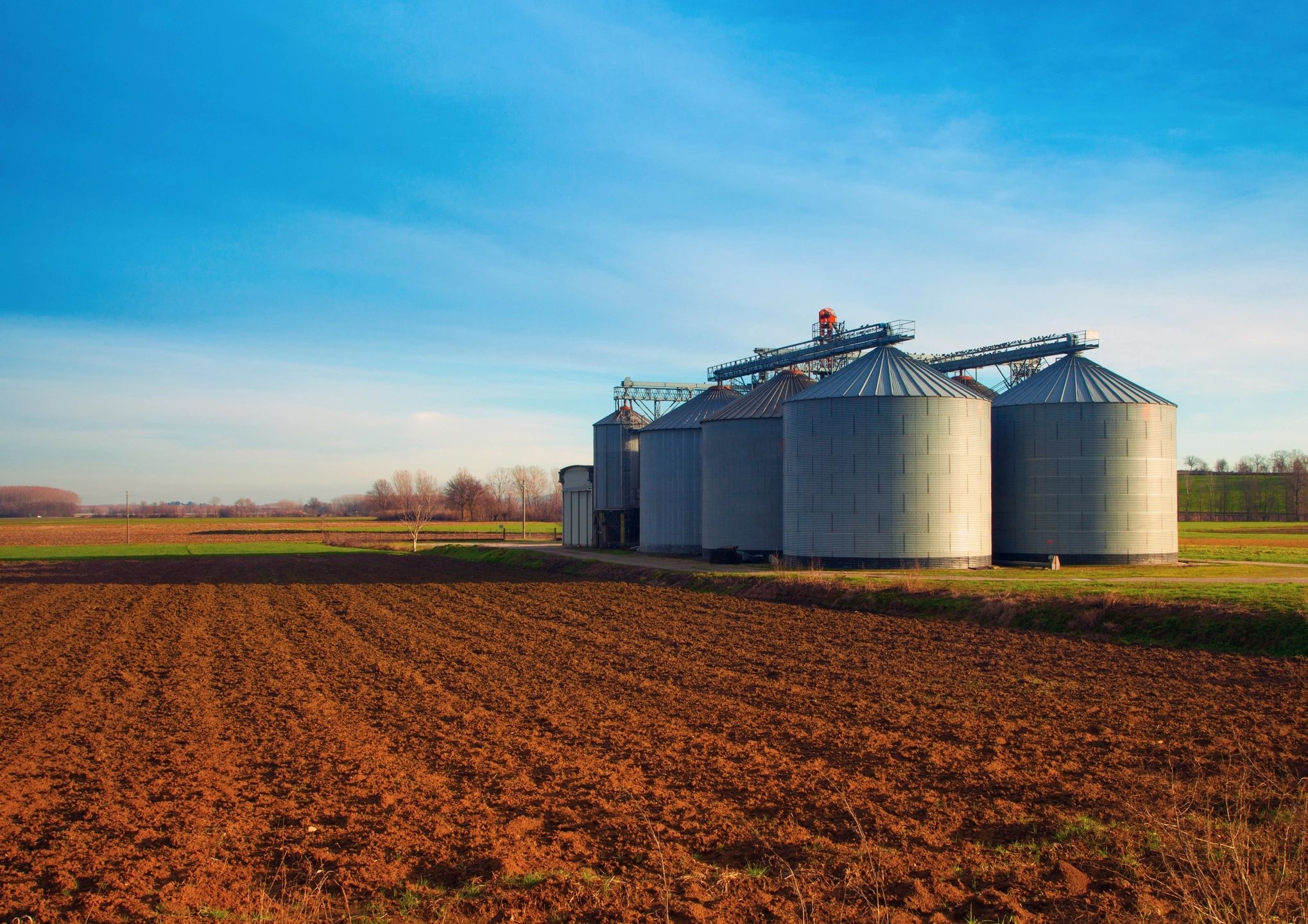
    Grain storage is a critical aspect of agricultural management, ensuring that harvested grains maintain their quality until they reach consumers. One key method for extending the storage life of grains is through the use of nitrogen gas. By displacing oxygen, nitrogen creates an environment unsuitable for the growth of pests, fungi, and bacteria, thus preserving the quality and nutritional value of grains. Moreover, the significance of onsite nitrogen gas generation cannot be overstated, offering efficiency, cost-effectiveness, and sustainability to the grain storage process.

    Preserving Grain Quality with Nitrogen Gas

    Nitrogen gas (N2) plays a crucial role in grain storage by displacing oxygen from storage silos or containers. Oxygen is necessary for the growth of pests, fungi, and aerobic bacteria, which can lead to spoilage, loss of nutritional value, and contamination of grains. By introducing nitrogen gas, the oxygen concentration is reduced, creating an environment where these harmful organisms cannot thrive.

    The inert nature of nitrogen ensures that it does not react with grains, preserving their quality and preventing oxidation, which can lead to rancidity and deterioration of flavor. This preservation method is particularly beneficial for long-term storage of grains, such as wheat, rice, corn, and barley, where maintaining quality over extended periods is essential for market viability.

    Extending Storage Time

    The use of nitrogen gas significantly extends the storage time of grains compared to traditional storage methods. By reducing the presence of oxygen, nitrogen inhibits the growth of spoilage organisms and slows down biochemical reactions responsible for degradation. This allows farmers and distributors to store grains for longer periods without compromising quality, thus reducing losses and maximizing profitability.

    Additionally, nitrogen gas helps prevent moisture absorption by grains, minimizing the risk of mold growth and preserving texture and taste. This is especially crucial in humid environments where moisture content can fluctuate, posing a threat to grain quality during storage.

    Significance of On-site Nitrogen Gas Generation

    LIQUID NITROGEN TANK BULK TANK

    COMPRESSED NITROGEN

    ON-SITE PSA NITROGEN GAS GENERATING SYSTEM

    Onsite nitrogen gas generation offers several advantages over traditional methods of nitrogen supply, such as nitrogen cylinders or liquid nitrogen delivery:

    Cost-Effectiveness: Onsite nitrogen generation eliminates the need for frequent deliveries of nitrogen cylinders or liquid nitrogen, reducing transportation costs and associated overheads. It allows farmers and grain storage facilities to produce nitrogen on-demand, tailored to their specific storage requirements.

    Sustainability: Onsite nitrogen generation promotes sustainability by minimizing carbon emissions associated with transportation and production. It eliminates the reliance on fossil fuels for nitrogen transportation and reduces the carbon footprint of grain storage operations.

    Operational Efficiency: Onsite nitrogen generation provides flexibility and convenience, allowing operators to produce nitrogen as needed without relying on external suppliers. This ensures uninterrupted grain storage operations and enables precise control over nitrogen concentrations in storage environments.   

    Safety: Onsite nitrogen generation reduces the risks associated with handling and storing nitrogen cylinders or liquid nitrogen. It eliminates the need for storing pressurized cylinders and minimizes the potential hazards associated with transportation and handling of cryogenic liquids.

    In conclusion, the use of nitrogen gas for grain storage offers an effective solution for preserving grain quality and extending storage time. By displacing oxygen and creating an inert environment, nitrogen gas inhibits the growth of spoilage organisms and prevents degradation of grains. Furthermore, onsite nitrogen generation enhances efficiency, cost-effectiveness, and sustainability of grain storage operations, providing farmers and distributors with a reliable and environmentally friendly solution. Embracing nitrogen gas technology in grain storage practices is not only beneficial for preserving grain quality but also for optimizing operational processes in the agricultural industry.

    Enquire Now

      Categories
      NITROGEN OXYGEN

      EARTH’S ATMOSPHERE, COMPOSITION & SEPARATION METHODS FOR NITROGEN & OXYGEN

      The Earth’s atmosphere is a delicate blanket of gases that envelops our planet, providing the necessary conditions for life to thrive. Comprising various gases in different proportions, this atmosphere plays a crucial role in regulating temperature, protecting life from harmful radiation, and sustaining vital processes like photosynthesis. Understanding its composition and the methods for separating its primary constituents, nitrogen and oxygen, is essential for various industrial, scientific, and environmental endeavors.

      Composition of Earth’s Atmosphere:

      Earth’s atmosphere is primarily composed of nitrogen (N2), oxygen (O2), argon (Ar), and traces of other gases such as carbon dioxide (CO2), neon (Ne), helium (He), methane (CH4), and ozone (O3). The most abundant gases are nitrogen and oxygen, which together constitute approximately 99% of the atmosphere’s total volume.

      • Nitrogen (N2): Nitrogen makes up about 78% of the Earth’s atmosphere. It is crucial for various biological processes and is used extensively in industrial applications, such as in the production of ammonia for fertilizers and in the manufacturing of electronics.
      • Oxygen (O2): Oxygen accounts for roughly 21% of the atmosphere. It is vital for respiration in most organisms and is also widely utilized in industrial processes, including metal smelting, combustion, and medical applications.
      • Argon (Ar): Argon constitutes around 0.9% of the atmosphere and is primarily used in welding and as an inert gas in various industrial processes.
      Methods of Separating Nitrogen and Oxygen:

      Fractional Distillation:

      LIQUID NITROGEN/OXYGEN STORAGE EQUIPMENT FOR INDUSTRIAL USE

      Fractional distillation is based on the principle of differences in boiling points of gases. Air is first cooled and compressed to liquify it. Then, the liquid air is allowed to boil slowly. As the temperature increases, gases with lower boiling points, such as nitrogen and oxygen, vaporize first. By collecting these vapors separately and condensing them, nitrogen and oxygen can be obtained in their pure forms. Fractional distillation is a well-established and efficient method for large-scale production of nitrogen and oxygen. Fractional distillation requires significant energy input due to the need for cooling and compressing air. Additionally, it is a capital-intensive process, making it less suitable for small-scale applications.

      Membrane Separation:

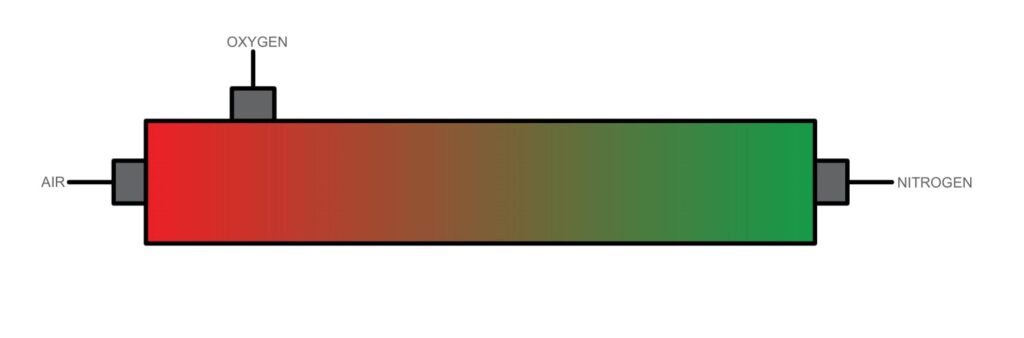
      Membrane separation relies on permeation through selective membranes. In this method, air is passed through a membrane that selectively allows certain gases, such as nitrogen, to permeate more readily than others, such as oxygen. By controlling factors like pressure, temperature and membrane material, the desired gases can be separated. Membrane separation is energy-efficient at lower purities and scalable. It can be employed for both large-scale industrial processes and smaller applications. It also offers flexibility in terms of operation and requires less maintenance compared to other methods.

      Pressure Swing Adsorption (PSA):

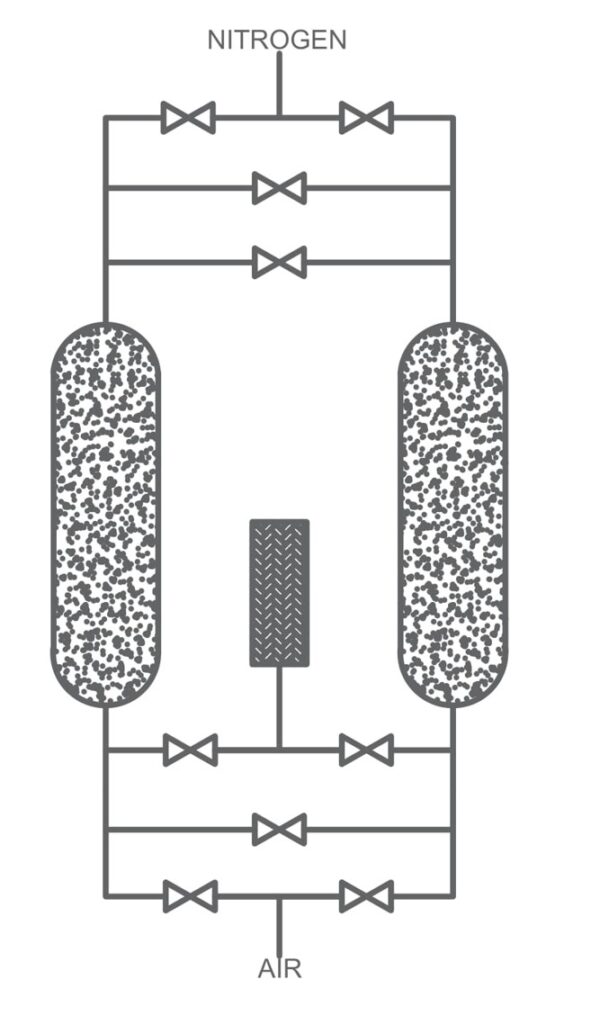
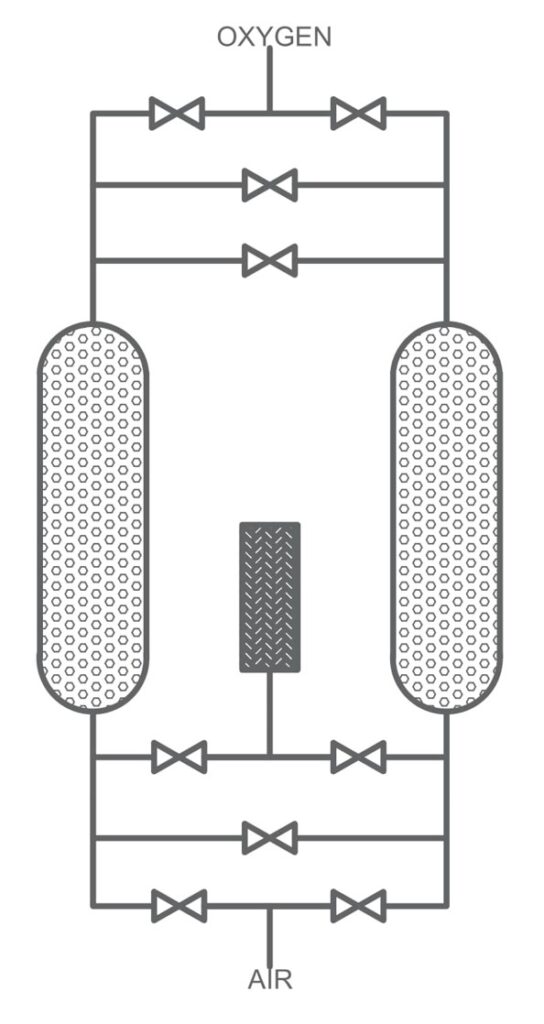
      PSA involves passing air through a bed of adsorbent material, such as carbon molecular or zeolite sieve, at high pressure. The adsorbent selectively adsorbs oxygen or nitrogen while allowing other gas to pass through. After a period, the pressure is reduced, allowing the adsorbed oxygen or nitrogen to desorb and be released. PSA is highly efficient and can produce gases with high purity levels. It is the most suitable technology for on-site gas generation of nitrogen and oxygen and can be automated for 24/7 operation.

      The composition of Earth’s atmosphere, dominated by nitrogen and oxygen, is essential for sustaining life and supporting various industrial processes. Understanding the methods for separating these gases is crucial for applications ranging from medical oxygen supply to industrial gas production. While each separation method has its advantages and limitations, advancements in technology continue to refine these processes, making them more efficient, cost-effective, and environmentally friendly. As we delve deeper into the intricacies of atmospheric science and gas separation techniques, we unlock new possibilities for innovation and sustainable development.

      Enquire Now

        Categories
        OXYGEN

        BOOSTING EFFICIENCY: ON-SITE OXYGEN GAS GENERATION(O2) FOR OZONE GAS(O3) 

        In the realm of industrial and environmental applications, ozone gas has emerged as a powerful tool. Its unique properties make it invaluable for various purposes, from water treatment to disinfection and beyond. Understanding the process of ozone gas generation, its applications, and the role of onsite oxygen generation systems in optimizing efficiency is crucial for industries and environmentalists alike.

        OZONE GAS GENERATION: UNVEILING NATURE’S PURIFIER

        Ozone (O3) is a triatomic molecule consisting of three oxygen atoms bonded together. While naturally occurring in the Earth’s atmosphere, it’s primarily formed through electrical discharges such as lightning during thunderstorms or by the action of ultraviolet (UV) light on oxygen molecules. However, for industrial and commercial purposes, ozone is typically generated artificially.

        The process of ozone gas generation involves passing oxygen molecules through an ozone generator where they are subjected to either corona discharge or UV radiation. In corona discharge methods, oxygen molecules (O2) are passed through a high-voltage electrical field, causing them to split into oxygen atoms. These atoms then combine with other oxygen molecules to form ozone. Alternatively, UV radiation methods utilize UV light to directly convert oxygen molecules into ozone.

        1. Corona Discharge Method:
          • O2 + energy (electric discharge) → 2O (oxygen atoms)
          • O2 + O → O3 (ozone)
        2. Ultraviolet (UV) Radiation Method:
          • O2 + UV energy → 2O (oxygen atoms)
          • O2 + O → O3 (ozone)
        APPLICATION OF OZONE GAS: A VERSATILE SOLUTION

        The versatility of ozone gas renders it indispensable across various industries and environmental domains:

        Water Treatment: Ozone is highly effective in water treatment due to its strong oxidizing properties. It efficiently eliminates organic and inorganic contaminants, pathogens, and odors from water sources, making it a preferred choice for municipal water treatment plants, swimming pools, and wastewater treatment facilities.

        Disinfection: Ozone’s potent disinfectant properties make it an ideal alternative to traditional chlorine-based disinfectants. It’s extensively used for sterilizing medical equipment, food processing, and maintaining clean environments in pharmaceutical facilities.

        Air Purification: Ozone is employed in air purification systems to eliminate odors, mold, and bacteria from indoor environments. It’s particularly useful in spaces where air quality is crucial, such as hospitals, laboratories, and cleanrooms.

        Laundry and Textile Industry: Ozone is increasingly utilized in the laundry and textile industry for bleaching, sterilization, and odor removal. Ozone effectively oxidizes stains and contaminants, reducing the need for hot water and chemical detergents, thus offering energy and cost savings.

        OPTIMIZING EFFICIENCY WITH ON-SITE OXYGEN GAS GENERATING SYSTEM  

        While the benefits of ozone gas are undeniable, its generation often relies on the availability of oxygen, which can incur significant expenses, particularly for large-scale users. This is where onsite oxygen generation systems step in to revolutionize the process. Onsite oxygen generation systems utilize advanced technologies such as pressure swing adsorption (PSA) or vacuum pressure swing adsorption (VPSA) to extract oxygen from the surrounding air. By eliminating the need for external oxygen cylinders or liquid oxygen supplies, these systems offer several advantages:

        Cost Savings: Onsite oxygen generation drastically reduces operational costs associated with purchasing and transporting oxygen cylinders or liquid oxygen. Users can produce oxygen on-demand, minimizing wastage and optimizing resource utilization.

        Independence and Reliability: By producing oxygen onsite, users gain independence from external suppliers, ensuring a continuous and reliable source of oxygen for ozone generation. This eliminates the risk of supply shortages or disruptions, enhancing operational efficiency and productivity.

        Environmental Benefits: Onsite oxygen generation systems contribute to environmental sustainability by reducing carbon emissions associated with the transportation and production of oxygen. They promote energy efficiency and lower carbon footprints, aligning with the goals of green initiatives and corporate sustainability strategies.

        Ozone gas generation holds immense promise across diverse industries and environmental applications, offering unparalleled efficacy in water treatment, disinfection and air purification. However, the efficiency of ozone generation relies heavily on the availability of oxygen, which can pose logistical and financial challenges for users.

        By integrating onsite oxygen generation systems into their operations, users can overcome these challenges and unlock new levels of efficiency, cost-effectiveness, and sustainability. With the power to produce oxygen on-demand, on-site systems empower industries to harness the full potential of ozone gas while minimizing expenses and environmental impact. In doing so, they pave the way for a cleaner, healthier, and more sustainable future.

        Enquire Now

          Categories
          NITROGEN

          PIPELINE MAINTENANCE: PIGGING, PURGING, AND ON-SITE NITROGEN GAS GENERATION

          In the intricate network of oil and gas pipelines, ensuring smooth operation and safety is paramount. One of the key techniques employed in pipeline maintenance is pigging and purging, which involves the use of a specialized device called pig and gases to clean and maintain pipelines. Among these gases, nitrogen has emerged as a versatile and efficient option, especially when produced onsite through nitrogen gas generating systems. Let’s understand the significance of pipeline pigging and purging, along with the advantages of utilizing onsite nitrogen generation in the oil and gas industry.

          PIPELINE PIGGING & PURGING: ENSURING EFFICIENCY AND SAFETY

          Pipelines in the oil and gas industry are prone to the accumulation of various substances over time and these accumulations can impede the flow of products, increase operational costs, and pose significant safety risks. To mitigate these issues, pipeline pigging and purging are employed as preventive maintenance techniques.

          Pigging involves the use of a pig launcher, receiver & pig which are connected to the pipeline and propelled by the flow of product or by external means. These pigs effectively scrape and clean the inner walls of the pipeline, removing debris and buildup. Purging, on the other hand, entails the displacement of unwanted substances, such as oxygen, moisture, and hydrocarbons, from the pipeline by introducing inert gases like nitrogen.

          THE ROLE OF NITROGEN GAS IN PIPELINE MAINTENANCE

          Nitrogen gas has gained widespread acceptance in the oil and gas industry for various applications, including pipeline pigging & purging, due to its inert properties and ability to displace other gases effectively. When used for purging, nitrogen creates an oxygen-free environment, reducing the risk of corrosion, combustion, and contamination within the pipeline. Additionally, nitrogen can be utilized to pressure test pipelines, ensuring structural integrity and leak prevention.

          LIQUID NITROGEN TANK

          COMPRESSED NITROGEN GAS CYLINDERS

          Traditionally, nitrogen for pipeline purging and other industrial applications was sourced from bulk liquid nitrogen suppliers or delivered in high-pressure cylinders. However, these methods come with logistical challenges, transportation costs, and dependency on external suppliers, leading to increased operational expenses for oil and gas companies.

          ON-SITE NITROGEN GAS GENERATION: A COST-EFFECTIVE SOLUTION

          STATIONARY ON-SITE NITROGEN GAS GENERATING SYSTEM

          CONTAINERIZED MOBILE NITROGEN GAS GENERATING SYSTEM

          Onsite nitrogen gas generation systems offer a cost-effective and efficient alternative to traditional nitrogen supply methods. These systems utilize pressure swing adsorption (PSA) or membrane separation technology to extract nitrogen from the ambient air, providing a continuous and reliable source of high-purity nitrogen on-site.

          NITROGEN GENERATION USING PRESSURE SWING ADSORPTION TECHNOLOGY

          NITROGEN GENERATION USING MEMBRANE TECHNOLOGY

          The Adoption of on-site nitrogen generation offers several advantages for the oil & gas industry:

          Cost Savings: By producing nitrogen on-site, companies can eliminate transportation and delivery costs associated with bulk liquid nitrogen or cylinder rentals. Moreover, the operational expenses are significantly reduced over time, as there is no reliance on external suppliers.

          Increased Operational Efficiency: Onsite nitrogen generation systems provide a continuous supply of nitrogen, allowing for immediate access whenever needed. This eliminates delays associated with scheduling deliveries or waiting for cylinder replacements, thereby enhancing operational efficiency.

          Customization & Scalability: Onsite nitrogen generation systems can be tailored to meet specific production requirements and scaled according to the size and scope of the operation. Whether for large-scale pipeline projects or smaller maintenance tasks, these systems offer flexibility and adaptability.

          Environmental Sustainability: By generating nitrogen on-site, companies reduce their carbon footprint associated with transportation and logistics. Additionally, onsite generation eliminates the need for energy-intensive processes required for the liquefaction and transportation of bulk nitrogen.

          In conclusion, pipeline pigging, purging, and maintenance are critical aspects of ensuring the integrity, efficiency, and safety of oil and gas infrastructure. By leveraging the inert properties of nitrogen gas and adopting onsite generation technology, companies can streamline their maintenance processes, reduce operational expenses, and enhance overall productivity. As the industry continues to prioritize cost-effectiveness and sustainability, onsite nitrogen generation emerges as a strategic solution for optimizing pipeline operations.

          Enquire Now

            Categories
            NITROGEN

            MAXIMIZING EFFICIENCY: HEAT TREATMENT PROCESSES & ON-SITE NITROGEN GAS GENERATION

            Metal Processing

            Heat treatment processes play a crucial role in various industries, from automotive to aerospace, ensuring the durability, strength, and performance of materials. Among the numerous methods employed, the use of nitrogen gas has become increasingly prevalent due to its inert properties and ability to create controlled atmospheres essential for heat treatment. However, traditional nitrogen gas sourcing methods, such as cylinder delivery or bulk liquid nitrogen tank, can pose logistical challenges and incur high costs. In response, on-site nitrogen gas generating systems have emerged as a highly efficient and cost-effective alternative, offering numerous benefits to industries reliant on heat treatment processes.

            Understanding heat treatment processes with Nitrogen Gas:

            Nitrogen gas is a preferred choice for heat treatment processes due to its non-reactive nature, preventing oxidation and minimizing distortion of treated materials. In heat treatment applications, nitrogen gas is utilized for processes such as annealing, hardening, and sintering, where precise control of temperature and atmosphere is paramount to achieving desired material properties.

            Annealing: Annealing involves heating materials to specific temperatures and then cooling them slowly to relieve internal stresses and improve ductility. Nitrogen gas helps prevent oxidation during this process, preserving the material’s surface integrity.

            Hardening: In hardening processes, materials are heated to critical temperatures and then rapidly cooled to increase their hardness and strength. Nitrogen gas aids in quenching, ensuring uniform cooling and preventing surface irregularities caused by oxidation.

            Sintering: Sintering involves compacting and heating powdered materials to form solid objects. Nitrogen gas creates an oxygen-free environment necessary for sintering, enabling precise control over the final product’s properties.

            The Role of On-Site Nitrogen Gas Generation:

            On-site nitrogen gas generation systems offer a streamlined solution for industries engaged in heat treatment processes. Instead of relying on traditional methods like cylinder delivery, which entail logistical complexities and supply chain uncertainties, on-site generation systems produce nitrogen gas directly at the point of use. This not only reduces dependency on external suppliers but also provides greater flexibility and control over nitrogen gas availability.

            Continuous Supply: On-site nitrogen gas generation ensures a continuous and reliable nitrogen supply, eliminating the risk of process interruptions associated with cylinder changes and delivery delays. This continuous supply enhances operational efficiency and minimizes downtime, ultimately optimizing production output.

            Cost Efficiency: One of the primary advantages of on-site nitrogen gas generation is its cost-effectiveness compared to traditional sourcing methods. While cylinder delivery involves recurring rental fees, transportation costs, and cylinder handling expenses, on-site generation systems operate on a pay-as-you-go model, significantly reducing overall nitrogen gas procurement expenses over time.

            Customization & Scalability: On-site nitrogen generation systems can be tailored to meet specific process requirements, allowing for precise control over nitrogen purity levels, flow rates, and pressure. Moreover, these systems offer scalability, enabling businesses to adjust nitrogen production capacity according to fluctuating demand without incurring additional costs associated with equipment upgrades or rentals.

            Return on Investment (ROI) Analysis:

            Investing in on-site nitrogen gas generation entails upfront capital expenditure, but the long-term benefits outweigh the initial costs. Conducting a comprehensive ROI analysis can provide insights into the financial viability of transitioning to on-site nitrogen generation systems for heat treatment processes.

            Cost Savings: Calculate the total cost savings achieved through reduced nitrogen procurement expenses, including cylinder rental fees, transportation costs, and associated labor expenses.

            Operational Efficiency: Evaluate the impact of on-site nitrogen generation on operational efficiency by assessing reductions in downtime, increased production output, and improved process reliability.

            Resource Optimization: Analyze the optimization of resources, such as labor and storage space, resulting from the transition to on-site nitrogen generation.

            Environmental Impact: Consider the environmental benefits of on-site nitrogen generation, such as reduced carbon emissions associated with transportation and minimized cylinder waste.

            By quantifying these factors and comparing them against the initial investment required for implementing on-site nitrogen generation, businesses can determine the ROI and make informed decisions regarding the adoption of this technology.

            On-site nitrogen gas generation systems offer a compelling solution for industries engaged in heat treatment processes, providing continuous nitrogen supply, cost efficiency, and operational flexibility. By leveraging on-site generation technology, businesses can enhance process reliability, optimize resource utilization, and achieve significant cost savings over time. Through a thorough ROI analysis, companies can assess the financial viability of transitioning to on-site nitrogen generation and unlock the full potential of their heat treatment operations in the pursuit of efficiency and competitiveness.

            Enquire Now

              Categories
              OXYGEN

              EMPOWERING HOSPITALS: HOW ON-SITE OXYGEN GENERATION SYSTEMS HELPED BRIDGE THE GAP DURING COVID-19 CRISIS

              Oxygen gas stands as a lifeline in the world of healthcare, playing a critical role in numerous medical procedures, treatments, and therapies. Nowhere is its importance more evident than in hospitals, where it is essential for patient care, resuscitation, and therapeutic interventions. Amid the unprecedented challenges posed by the COVID-19 pandemic, the demand for medical oxygen surged to unprecedented levels, stretching healthcare systems to their limits. In this crucible, on-site oxygen generation systems emerged as indispensable tools, helping hospitals overcome oxygen shortages and ensuring uninterrupted care for patients battling the virus.

              The CRUCIAL Role of oxygen in healthcare

              Oxygen is a cornerstone of modern medical practice, with a myriad of applications across various healthcare settings.

              Respiratory Support: In critical care units, oxygen is administered to patients suffering from respiratory distress or hypoxemia to improve oxygenation and alleviate symptoms.

              Surgical Anesthesia: Oxygen serves as a component of anesthesia gases used during surgical procedures to maintain adequate oxygen levels and ensure patient safety and comfort.

              Emergency Medicine: In emergency departments and ambulances, oxygen is readily available for use in resuscitation efforts for patients experiencing cardiac arrest, trauma, or respiratory failure.

              Treatment of Chronic Conditions: Patients with chronic respiratory diseases such as COPD (Chronic Obstructive Pulmonary Disease) rely on supplemental oxygen therapy to manage their symptoms and improve their quality of life.

              On-site oxygen generation systems: A Game-changer in healthcare

              On-site oxygen generation systems, also known as oxygen concentrators or oxygen generation plants, have revolutionized the way hospitals procure and supply medical oxygen. These systems produce oxygen directly on-site from ambient air, offering numerous advantages over traditional methods of oxygen supply:

              Continuous Supply: On-site oxygen generators ensure a reliable and uninterrupted supply of medical-grade oxygen, eliminating the dependence on external oxygen suppliers and reducing the risk of supply chain disruptions.

              Cost-Efficiency: By eliminating the need for transportation, storage, and handling of oxygen cylinders or liquid oxygen, on-site oxygen generation systems reduce operational costs and logistical complexities for hospitals.

              Scalability and Flexibility: On-site oxygen generators can be customized to meet the specific oxygen demand of healthcare facilities, allowing for scalability and flexibility in response to fluctuating patient volumes or emergency situations.

              Reliability in Emergencies: During crises such as the COVID-19 pandemic, on-site oxygen generation systems proved invaluable in ensuring hospitals had a sufficient supply of oxygen to meet the escalating demand from critically ill patients.

              The Covid-19 Pandemic: A Test of Resilience

              The emergence of the COVID-19 pandemic in early 2020 presented an unprecedented challenge to healthcare systems worldwide, placing immense strain on medical resources, including oxygen supply. As hospitals grappled with surging caseloads and dwindling oxygen reserves, on-site oxygen generation systems emerged as a beacon of hope, providing a lifeline for patients and healthcare providers alike.

              How on-site oxygen generators helped during covid-19

              Meeting Increased Demand: On-site oxygen generation systems played a crucial role in augmenting oxygen supply capacity, enabling hospitals to meet the surge in demand for medical oxygen from COVID-19 patients requiring respiratory support.

              Minimizing Reliance on External Suppliers: By producing oxygen on-site, hospitals reduced their dependence on external oxygen suppliers, mitigating the risk of supply chain disruptions and ensuring a more reliable and sustainable source of oxygen.

              Enhancing Resource Utilization: On-site oxygen generation systems allowed hospitals to optimize resource utilization by producing oxygen on-demand, thereby minimizing waste and maximizing efficiency in oxygen delivery.

              Supporting Remote and Rural Healthcare Facilities: In remote or underserved areas with limited access to centralized oxygen supply infrastructure, on-site oxygen generation systems provided a lifeline for healthcare facilities, ensuring access to essential medical oxygen for COVID-19 patients.

              Paving the way for a Resilient Healthcare Future

              The COVID-19 pandemic underscored the critical importance of reliable and sustainable oxygen supply in healthcare settings. On-site oxygen generation systems emerged as a vital tool in addressing oxygen shortages and ensuring continuity of care for patients during this unprecedented crisis. As healthcare systems worldwide navigate the challenges of the post-pandemic era, the integration of on-site oxygen generation technologies promises to play a central role in building resilience, sustainability, and preparedness in healthcare delivery. By harnessing the power of on-site oxygen generation, hospitals can ensure a safer, more resilient future for patients, healthcare providers, and communities alike.

              Enquire Now

                Categories
                NITROGEN

                UNDERSTANDING ON-SITE NITROGEN GAS GENERATORS

                In industries where a reliable source of nitrogen gas is crucial, on-site nitrogen gas generators have emerged as indispensable assets, offering a cost-effective and sustainable solution to businesses. These innovative systems provide a continuous supply of high-purity nitrogen gas on-site, eliminating the need for traditional methods of gas storage and transportation. Understanding the workings of nitrogen gas generators and selecting the right system for specific processes are vital steps for businesses aiming to optimize their operations.

                What is a Nitrogen Gas Generator?

                A nitrogen gas generator is an air separation unit designed to produce nitrogen gas from ambient air by utilizing various separation techniques. Unlike conventional methods such as gas cylinders or liquid nitrogen dewars, which require frequent refills and logistical challenges, nitrogen gas generators offer a self-sufficient and on-demand solution. By leveraging advanced technologies, these systems extract nitrogen molecules from the surrounding air, purify them to the desired level, and deliver a continuous stream of nitrogen gas tailored to the specific requirements of industrial processes.

                How does a Nitrogen Gas Generator Work?

                Nitrogen gas generators operate on the principle of air separation, utilizing either pressure swing adsorption (PSA) or membrane separation technology.

                Pressure Swing Adsorption (PSA): In a PSA nitrogen generator, air is compressed and passed through a series of adsorbent beds containing material such as carbon molecular sieves (CMS). Under high pressure, oxygen, moisture, and other impurities are selectively adsorbed onto the surface of the adsorbent material, allowing nitrogen gas to pass through and emerge as the product stream. The adsorption process is cyclic, with alternating adsorption and desorption stages controlled by valves, ensuring a continuous supply of high-purity nitrogen gas.

                Membrane Separation: Membrane nitrogen generators utilize semi-permeable membranes to selectively permeate nitrogen molecules while blocking other components of air, such as oxygen and moisture. When compressed air is introduced into the membrane module, nitrogen molecules diffuse through the membrane pores more rapidly than oxygen molecules, resulting in a nitrogen-enriched permeate stream. By adjusting operating parameters such as pressure and temperature, membrane nitrogen generators can achieve the desired purity levels and flow rates to meet specific process requirements.

                Choosing the right nitrogen gas generator for your process:

                Selecting the appropriate nitrogen gas generator entails consideration of several key factors tailored to the unique needs of each business:

                • Purity Requirements: Different industrial processes demand varying levels of nitrogen purity. Businesses must assess their specific purity requirements, considering factors such as oxygen concentration, moisture content, and trace impurities to ensure compatibility with the intended application.
                • Flow Rate and Pressure: Determining the required flow rate and operating pressure is crucial for selecting a nitrogen gas generator that can meet the production demands of the process. Businesses should evaluate their consumption rates and peak usage scenarios to identify the optimal capacity and performance specifications required from the generator.
                • Technology & Efficiency: Assessing the merits of PSA versus membrane technology is essential, considering factors such as energy consumption, maintenance requirements, and reliability. While PSA systems are well-suited for high-purity applications and fluctuating demand, membrane systems offer simplicity, lower operating costs, and compact footprint advantages.
                • Footprint & Installation: Space constraints and installation considerations play a significant role in the selection process. Depending on available floor space, businesses may opt for skid-mounted, modular, or space-saving designs to optimize utilization and integration within existing infrastructure.
                • Maintenance and Support: Evaluating the maintenance requirements, serviceability, and technical support offered by the nitrogen gas generator manufacturer is vital for ensuring long-term reliability and operational uptime. Businesses should seek suppliers with a proven track record of quality, responsive customer service, and readily available spare parts.

                In conclusion, nitrogen gas generators represent a transformative solution for businesses seeking a reliable and cost-effective source of nitrogen gas for their industrial processes. By harnessing the principles of air separation and advanced purification technologies, these systems empower businesses to streamline operations, enhance efficiency, and reduce environmental impact. With careful consideration of purity requirements, flow rates, technology options, and support services, businesses can confidently select the right nitrogen gas generator tailored to their specific needs, unlocking a wealth of benefits and opportunities for optimization in diverse industries.

                Enquire Now

                  Categories
                  NITROGEN

                  MAXIMIZING WINE EXCELLENCE: THE POWER OF NITROGEN GAS

                  In the intricate world of winemaking, where every detail matters, the use of nitrogen gas has become an indispensable tool for enhancing both quality and efficiency. Nitrogen, a colorless and odorless gas, finds its application at various stages of the winemaking process, from grape harvesting to bottling. Its inert nature and versatile properties make it an ideal choice for winemakers striving for excellence. Let’s jump into the significant roles nitrogen gas plays in the wine industry and explore the impact of on-site nitrogen gas generators on winemaking processes.

                  Preservation and Protection:

                  One of the primary uses of nitrogen gas in winemaking is for preservation and protection. Once grapes are harvested, they undergo various processes such as crushing, pressing, and fermentation. Throughout these stages, exposure to oxygen can lead to oxidation, which compromises the flavor, aroma, and overall quality of the wine. Nitrogen gas serves as a blanket, displacing oxygen from tanks, barrels, and bottles, thus minimizing the risk of oxidation and preserving the freshness of the wine.

                  Blanketing During Fermentation:

                  During fermentation, yeast converts sugars in the grape juice into alcohol and carbon dioxide. To maintain optimal conditions for fermentation and to prevent unwanted microbial growth, winemakers often employ nitrogen gas to create an inert atmosphere within fermentation vessels. This ensures a stable environment conducive to the growth of desired yeast strains and minimizes the risk of off-flavors or spoilage.

                  Inert Gas Sparging:

                  Inert gas sparging is another crucial application of nitrogen gas in winemaking. This process involves bubbling nitrogen gas through liquids to remove dissolved oxygen. By purging oxygen from wine or wine components, winemakers can prevent oxidative reactions that degrade the wine’s quality and shelf life. In addition, inert gas sparging can be used during filtration and bottling to displace oxygen and minimize the risk of oxidation at critical stages.

                  Enhancing Wine Quality:

                  The use of nitrogen gas not only helps preserve wine but also contributes to its quality. By minimizing oxygen exposure throughout the winemaking process, nitrogen helps retain the wine’s vibrant color, fresh aroma, and lively flavors. Furthermore, nitrogen gas can facilitate the removal of unwanted volatile compounds, contributing to the refinement and balance of the final product.

                  On-Site Nitrogen Gas Generation:

                  ON-SITE NITROGEN GAS GENERATION

                  COMPRESSED NITROGEN GAS CYLINDERS

                  Traditionally, wineries relied on bottled nitrogen gas for their operations, requiring frequent deliveries and storage space. However, advancements in technology have paved the way for on-site nitrogen gas generation systems. These systems utilize membrane or pressure swing adsorption (PSA) technology to extract nitrogen from the surrounding air, offering wineries a cost-effective and sustainable alternative.

                  The implementation of on-site nitrogen gas generators provides wineries with greater control and flexibility over their nitrogen supply. By producing nitrogen on-demand, winemakers can eliminate the need for frequent deliveries and reduce the risk of running out of gas during critical stages of production. Moreover, on-site generation systems offer energy efficiency benefits and minimize the carbon footprint associated with transporting bottled gases.

                  Impact on Efficiency and Sustainability:

                  The adoption of on-site nitrogen gas generators has significant implications for both the efficiency and sustainability of winemaking operations. By streamlining nitrogen supply and reducing reliance on external suppliers, wineries can optimize their production processes and minimize downtime. Furthermore, the elimination of bottled gas deliveries reduces transportation-related emissions and contributes to a more sustainable approach to winemaking.

                  In conclusion, nitrogen gas plays a vital role in the wine industry, serving as a key tool for preservation, protection, and quality enhancement. From preventing oxidation during fermentation to maintaining freshness in bottled wine, nitrogen gas contributes to the creation of exceptional wines. With the advent of on-site nitrogen gas generation technology, wineries can further optimize their operations, improve efficiency, and embrace sustainable practices for a brighter future in winemaking.

                  Enquire Now

                    Categories
                    COMPRESSED AIR

                    NAVIGATING BETWEEN REFRIGERATED AND DESICCANT COMPRESSED AIR DRYER OPTIONS

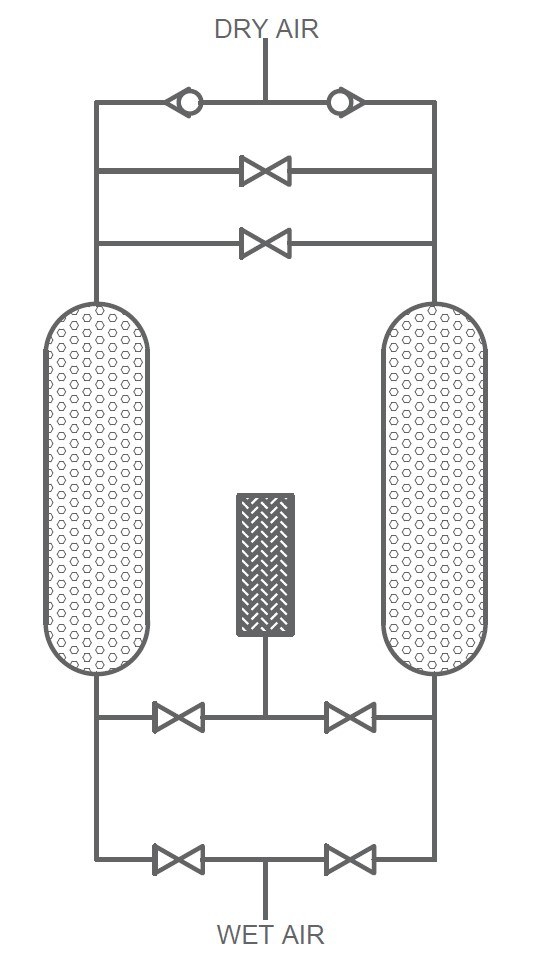
                    TWIN TOWER HEATLESS DESICCANT AIR DRYER

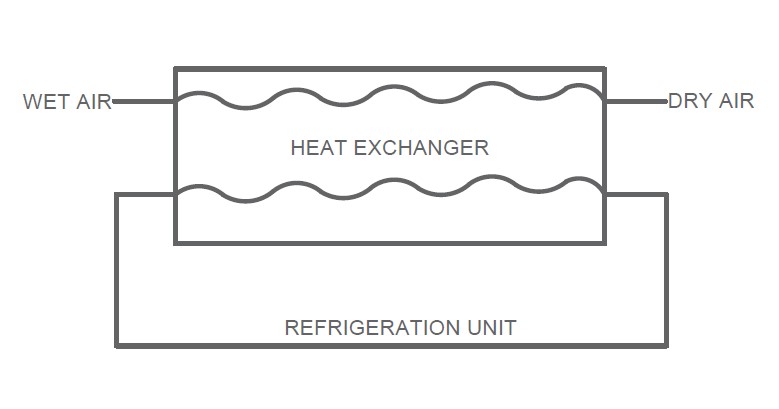
                    REFRIGERATED AIR DRYER

                    In compressed air systems, moisture can pose a significant challenge, leading to equipment damage, decreased efficiency, and compromised product quality. To address this issue, air dryers are utilized to remove moisture from compressed air, ensuring clean, dry air for various industrial applications. Two common types of air dryers are refrigerated dryers and desiccant dryers, each offering unique advantages and suitability for different dewpoint requirements.

                    Understanding Dewpoint:

                    Dewpoint is a crucial concept in understanding humidity and its impact on air quality and equipment performance. It refers to the temperature at which air becomes saturated with moisture, leading to condensation or dew formation. In simpler terms, it’s the temperature at which the air can no longer hold all the moisture it contains, causing water vapor to condense into liquid water. Dewpoint is a critical factor in compressed air systems because it indicates the moisture content in the air. Lower dewpoints signify drier air, which is essential for preventing corrosion, contamination, and damage to pneumatic equipment. Understanding dewpoint is essential for selecting the appropriate air dryer to achieve the desired level of dryness for specific applications.

                    Refrigerated Compressed Air dryers:

                    Refrigerated dryers operate on the principle of cooling compressed air to lower its temperature, causing moisture to condense and separate from the air stream. The condensed moisture is then drained from the system, leaving behind dry, low dewpoint compressed air. Refrigerated dryers are suitable for applications with moderate dewpoint requirements, typically ranging from 37.4°F to 41°F (3°C to 5°C).

                    Advantages of refrigerated dryers include:

                    Cost-effectiveness: Refrigerated dryers are generally more affordable to purchase and operate compared to desiccant dryers.

                    Energy Efficiency: They require less energy consumption, especially in moderate temperature environments.

                    Simple Operation and Maintenance: Refrigerated dryers have fewer moving parts and require minimal maintenance, resulting in lower lifecycle costs.

                    Desiccant Compressed Air Dryers:

                    Desiccant dryers employ adsorption process to remove moisture from compressed air, utilizing materials such as molecular sieve or activated alumina to attract and retain moisture molecules. These dryers are capable of achieving extremely low dewpoints, making them suitable for applications requiring critical air quality, such as pharmaceuticals, electronics manufacturing, and food processing.

                    Advantages of desiccant dryers include:

                    Low Dewpoint Capability: Desiccant dryers can achieve dewpoints as low as -40°F (-40°C) or lower, ensuring the highest level of air purity for sensitive applications.

                    Versatility: They can operate effectively in a wide range of environmental conditions, including high humidity and low temperatures.

                    Regenerative Capability: Desiccant dryers can be equipped with regenerative features, allowing for the regeneration of desiccant materials to extend their lifespan and maintain performance.

                    Steps to Choose the Right Dryer based on Dewpoint Requirement:
                    • Determine Dewpoint Requirement: Identify the specific dewpoint requirement for your application based on equipment specifications, industry standards, and process considerations.
                    • Assess Operating Conditions: Consider environmental factors such as ambient temperature, humidity levels, and variations in air demand to determine the optimal dryer type for your compressed air system.
                    • Evaluate Air Quality Standards: Determine if your application requires standard air quality (ISO 8573) or if it necessitates higher purity levels, such as for critical processes or sensitive products.
                    • Calculate Air Demand: Estimate the compressed air demand of your system to ensure that the selected dryer can meet the required flow rate and moisture removal capacity.
                    • Consider Lifecycle Costs: Compare the initial investment, energy consumption, maintenance requirements, and expected lifespan of refrigerated and desiccant dryers to make an informed decision based on long-term cost-effectiveness.
                    • Consult with Experts: Seek guidance from compressed air system professionals or equipment suppliers to assess your specific needs and recommend the most suitable dryer solution for your application.

                    Selecting the right air dryer is essential for maintaining the quality, reliability, and efficiency of compressed air systems in various industrial settings. By understanding the differences between refrigerated and desiccant dryers and following the outlined steps to choose based on dewpoint requirements, businesses can ensure optimal performance and longevity of their compressed air systems, ultimately contributing to improved productivity and product quality.

                    Enquire Now