Categories
ON-SITE GAS GENERATION

CHOOSING THE RIGHT GAS ANALYZERS FOR ON-SITE NITROGEN, OXYGEN & HYDROGEN GAS GENERATION

As industries increasingly turn to on-site gas generation systems for nitrogen, oxygen, and hydrogen, the role of reliable gas analyzers becomes critical. These analyzers ensure the generated gas meets the required purity standards, safeguarding downstream processes and guaranteeing product quality.

THE IMPORTANCE OF GAS ANALYZERS IN ON-SITE GAS GENERATION

Gas analyzers continuously monitor the purity of gases produced by on-site systems such as PSA (Pressure Swing Adsorption), membrane, or electrolyzer technologies. They enable early detection of process deviations, protect sensitive equipment, and ensure compliance with process specifications. Whether in wastewater treatment using oxygen for aerobic digestion, food packaging with nitrogen, or hydrogen fueling applications, accurate and continuous gas quality verification is non-negotiable.

SAMPLING SYSTEMS & REQUIREMENTS

Effective gas analysis starts with a well-designed sampling system. A typical sampling line for gas analysis incorporates:

  • Process isolation ball valve – for safely isolating the analyzer during maintenance.
  • Check valve – to prevent backflow and protect the generator.
  • Pressure regulator – to drop the process pressure to a safe range for the analyzer.
  • Flow meter with needle valve – to control and monitor the sample flow to the analyzer.

Sampling systems typically require:

  • Sample pressure: usually regulated to 1-5 psi(g), or depending on analyzer specifications.
  • Sample flow rate: typically, in the range of 1 to 10 litre/min, or depending on analyzer specifications. Ensuring steady delivery to the sensor without overloading it.

Poor sampling design can lead to inaccurate readings or sensor damage due to pressure spikes, moisture, or contamination.

TYPES OF GAS ANALYZER SENSORS

1. Zirconia Oxygen Sensors

  • Working Principle: Measure oxygen concentration based on the change in voltage across a zirconium oxide cell at elevated temperatures.
  • Pros:
    • Long lifespan (often 5-10 years).
    • Ideal for high purity oxygen measurement (ppm to % range).
    • Not significantly affected by inert gases.
  • Cons:
    • Sensitive to combustible gases (hydrogen, hydrocarbons) which can create errors.
    • Requires heating, leading to higher power consumption.
    • Slower warm-up time.

2. Electrochemical (Fuel Cell) Oxygen Sensors

  • Working Principle: Oxygen diffuses through a membrane and reacts electrochemically, producing a current proportional to concentration.
  • Pros:
    • Compact, simple, low power.
    • Fast response time.
    • Lower initial cost.
  • Cons:
    • Limited lifespan (18-24 months typical), affected by oxygen exposure.
    • Requires periodic replacement.
    • Not ideal for very low ppm O2 measurements.

3. Thermal Conductivity Sensors (TCD)

  • Used for: Hydrogen and sometimes nitrogen purity measurement. Detects changes in thermal conductivity of the sample vs reference gas.
  • Can measure over a wide range.
  • Long life, no consumables.
EXPERTISE OF CANADA GAS SOLUTIONS INC.

At Canada Gas Solutions Inc., we understand that your gas purity is critical. That’s why we specialize not only in supplying on-site nitrogen, oxygen, and hydrogen generation systems but also in designing and integrating complete gas analyzer packages.

Our team helps customers:

  • Select the right sensor technology based on application needs (ppm vs % range, inert vs active gas streams).
  • Design sampling systems with appropriate regulators, valves, flow control and filtration to protect analyzers and ensure accurate readings.
  • Implement analyzer calibration and maintenance plans to maximize uptime and ensure long-term reliability.

Whether you need continuous monitoring of nitrogen purity in food packaging lines, oxygen measurement for combustion optimization, or hydrogen quality verification for fuel cell systems, Canada Gas Solutions has the expertise to deliver robust and tailored solutions.

On-site gas generation unlocks significant operational savings and flexibility, but only when coupled with dependable gas quality monitoring. Investing in the right analyzer technology, combined with expert sampling system design, ensures your operations run smoothly and safely.

For more information on how Canada Gas Solutions can support your nitrogen, oxygen, or hydrogen generation and analysis needs, reach out to us today.

Enquire Now

    Categories
    NITROGEN

    THE IMPORTANCE OF DEWPOINT IN ON-SITE NITROGEN GAS GENERATION: GETTING THE RIGHT DRYING TECHNOLOGY FOR YOUR PROCESS

    Nitrogen gas generation using PSA (Pressure Swing Adsorption) or Membrane Technology has become the preferred choice for many industries, offering a reliable, on-demand, and cost-effective alternative to bulk liquid or cylinder supplies. However, one often overlooked but critically important parameter in on-site nitrogen gas generation is dewpoint — a direct measure of the dryness of the gas. Dewpoint impacts not only the performance of the nitrogen generator but also the quality and reliability of your downstream processes. Ensuring the right upstream air-drying technology is selected is essential to achieving the required nitrogen dewpoint for your application.

    WHY DEWPOINT MATTERS IN NITROGEN GAS GENERATION

    When generating nitrogen gas on-site via PSA or membrane systems, the dewpoint of the feed compressed air directly affects the purity, stability, and dryness of the nitrogen gas produced. A poor or unstable dewpoint can lead to:

    • Moisture breakthrough in adsorption beds (for PSA systems), reducing nitrogen purity and damaging the adsorbent.
    • Reduced membrane efficiency and increased risk of fouling (for membrane systems).
    • Corrosion or contamination in sensitive downstream equipment or processes.

    For many industrial processes, nitrogen gas dewpoint must be consistently maintained to avoid product defects, compromised quality, or even safety hazards.

    SELECTING THE CORRECT AIR-DRYING TECHNOLOGY: REFRIGERATED VS DESICCANT DRYERS

    Non-critical applications: Refrigerated dryers

    For many general industrial uses — such as nitrogen purging of tanks, inerting, tire filling, or certain packaging lines — a dewpoint of +3 to +5°C achieved by a refrigerated air dryer is sufficient. These systems remove enough moisture to protect the nitrogen generator and meet typical process needs at a lower capital and operational cost.

    Critical applications: Desiccant dryers

    However, processes such additive manufacturing (3D printing), electronics, pharmaceutical production, or specialty chemical processes demand very low dewpoints (e.g., -40°C to -70°C) to ensure ultra-dry nitrogen gas. Here, using a desiccant (twin tower) air dryer upstream of the nitrogen generator becomes essential. It prevents moisture from entering and saturating the nitrogen generator’s adsorption beds or membranes, preserving purity, extending lifespan, and ensuring gas delivered to critical processes is dry enough to meet stringent specifications.

    ARE INBUILT DESICCANT DRYERS IN psa NITROGEN GENERATORS A GOOD IDEA?

    Some nitrogen generator designs incorporate small, integrated desiccant dryers to polish or “final dry” the gas. While this might seem attractive, it often proves to be a design mistake for most industrial users.

    • These inbuilt dryers typically have limited capacity, are difficult to monitor and service, and can add unnecessary complexity to the nitrogen system.
    • They may give a false sense of security, while the actual problem (inadequate upstream air drying) persists.
    • For high flow, high duty-cycle applications, a properly sized external desiccant dryer upstream of the nitrogen generator is more reliable, easier to maintain, and ensures both the nitrogen purity and dewpoint meet specifications consistently.
    HOW CANADA GAS SOLUTIONS HELPS YOU GET IT RIGHT

    At Canada Gas Solutions, we understand that each application has unique nitrogen purity and dewpoint requirements. Whether you’re using nitrogen for food packaging, laser cutting, pharmaceuticals, or oil & gas operations, we:

    -Analyze your process requirements to determine the ideal nitrogen purity, pressure, flow and dewpoint.
    – Engineer the correct upstream drying solution — refrigerated or desiccant — to protect your PSA or membrane nitrogen system.
    – Ensure your delivered nitrogen meets or exceeds specifications, maximizing quality, reliability, and cost savings.
    -Provide field-proven, energy-efficient systems backed by expert service and support.

    Dewpoint is a critical parameter in nitrogen generation that directly affects your gas quality and your process. Choosing the right drying technology upstream of your PSA or membrane nitrogen generator is not optional — it’s essential. Avoid shortcuts like undersized or integrated dryers that often fail in demanding conditions.

    Let Canada Gas Solutions design a turnkey nitrogen generation and drying solution that’s tailored to your project, ensuring you achieve worry-free operation, lower costs, and superior process outcomes.

    Enquire Now

      Categories
      NITROGEN

      WHY TWIN TOWER NITROGEN GAS GENERATORS REMAIN THE MOST PRACTICAL CHOICE FOR INDUSTRY

      When it comes to on-site nitrogen gas generation, the debate between traditional Twin Tower PSA (Pressure Swing Adsorption) systems and newer modular nitrogen generators is becoming increasingly relevant. While the market is seeing a surge in modular systems advertised as the “next big thing,” experienced operators and maintenance teams continue to favor the tried-and-tested twin tower design. Here’s why.

      Simplicity of Design

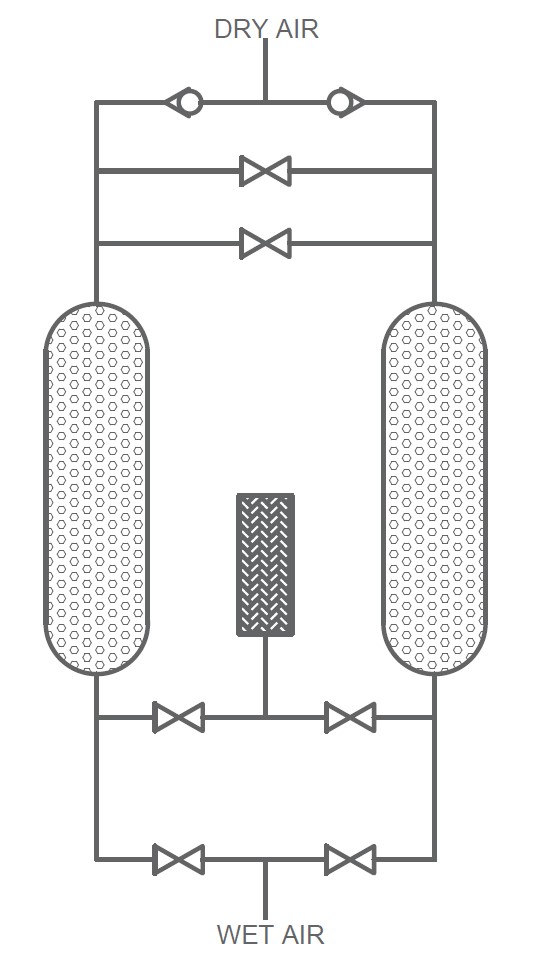
      Twin tower nitrogen generators use a straightforward PSA process. Two towers filled with Carbon Molecular Sieve (CMS) alternately adsorb and desorb nitrogen and oxygen under controlled pressure. This time-proven approach:

      • Has minimal moving parts.
      • Uses a predictable valve sequence.
      • Operates with standard controls easily understood by plant technicians.

      By contrast, modular systems often incorporate complex multi-chamber designs or proprietary valve blocks that look sleek but complicate what was once a very simple process.

      Ease of Maintenance

      Twin tower nitrogen systems shine when it comes to serviceability:

      Non-proprietary premium components: From valves to instruments to PLCs, reputable twin tower systems are built with globally recognized brands which are readily available from multiple suppliers.

      Open architecture: Maintenance teams can source spares off-the-shelf without being locked into a single vendor. Service manuals and troubleshooting are straightforward.

      Familiar process: Because PSA twin tower technology has been around for decades, service technicians worldwide are well-trained to maintain them.

      On the flip side, modular nitrogen systems often use proprietary cartridges, special CMS modules, or unique electronic controls. If something breaks, you’re tied to the manufacturer — facing long lead times, expensive spares, and limited service options. Worse, if the manufacturer exits the market, the entire system becomes a stranded asset.

      Handles Large Flowrates Better

      Another crucial advantage: twin tower systems excel in high-flow applications.

      • They can be sized for large nitrogen demands in a single robust system, avoiding the inefficiencies of running multiple smaller units.
      • Modular systems struggle here. To meet higher flows, you must combine multiple modular units, which increases complexity, footprint, maintenance needs — and costs.
      • This means twin tower systems keep overall system costs lower, both in capital and in long-term operation, when compared to “stacking” several modular systems together.
      Reliability & Longevity

      Twin tower PSA systems are designed for continuous duty operation for over 20 years, with only periodic CMS replacement and regular valve servicing. Their robust steel pressure vessels, proven adsorption cycles, and industrial design mean fewer surprises and longer equipment life.

      Sustainability & Eco-friendliness
      • PSA systems recover nitrogen efficiently, minimizing compressed air waste.
      • Long service life means fewer systems replaced over time, reducing industrial waste.
      • Easy access to standard replacement parts means no scrapping of entire system due to unavailability of spares.

      In contrast, proprietary modular systems often require complete module replacements rather than servicing individual components, increasing environmental impact.

      Field Expandability – Not Just for Modular Systems

      A common misconception is that only modular nitrogen systems offer capacity scalability. In reality, twin tower PSA systems are also easily expandable in the field. Additional twin towers can be integrated with your existing setup to increase nitrogen capacity as your plant grows — without redesigning your entire system or getting locked into proprietary add-ons.

      Contact Canada Gas Solutions to learn how we can design and install field-expandable twin tower nitrogen systems tailored to your plant’s future needs.

      Safety & Convenience

      Twin tower PSA systems have well-documented safety records. They:

      • Are designed with standard safety relief valves and controls that are easily inspected.
      • Can be installed by local contractors without needing specialized proprietary certifications.
      Installation Made Easy

      These systems arrive largely pre-assembled and skid-mounted. Piping, wiring, and integration into existing compressed air systems is straightforward, making them ideal for retrofit or greenfield projects.

      The Trap of Proprietary Modular Designs

      Many companies promoting modular nitrogen systems emphasize compactness and “next-gen” technology. But these benefits often come at a cost:

      Locked into single-source support: Only the manufacturer or its agents can supply critical spare parts. Prices and lead times can be high, with little leverage.

      Proprietary control software: Even minor PLC changes or troubleshooting may require OEM technicians.

      No local stock: If a module fails, you can’t simply buy a new valve or sensor off the shelf.

      And when your nitrogen demands grow, the modular approach forces you to keep adding more proprietary units — stacking costs, footprint, and maintenance complexity — rather than scaling up a robust, unified system.

      For businesses that value reliability, ease of maintenance, long-term sustainability, operational independence, and cost-effective solutions, twin tower PSA nitrogen generators remain the clear choice. They are:

      Simple by design — fewer points of failure.
      Easy to maintain — no proprietary parts traps.
      Ideal for large flowrates — avoiding costly multi-unit modular setups.
      Sustainable & eco-friendly — built to last decades.
      Safe & convenient — using familiar technology trusted worldwide.
      Field expandable — ready to grow with your plant.

      Before jumping onto the modular hype train, it’s wise to consider the true costs of ownership, maintenance, and scalability over the life of the equipment. The proven twin tower PSA nitrogen system continues to deliver unmatched value for industries that simply can’t afford downtime.

      Contact Canada Gas Solutions to learn more about robust, twin tower & field-expandable nitrogen systems built with premium, non-proprietary components that keep you in control.

      Enquire Now

        Categories
        NITROGEN

        WHY NITROGEN GAS IS CRITICAL FOR LASER POWDER BED FUSION APPLICATION AND HOW ON-SITE GAS GENERATION DELIVERS

        Laser Powder Bed Fusion (LPBF) has transformed the world of advanced manufacturing, enabling the production of complex metal parts with unmatched precision. Whether it’s aerospace brackets, medical implants, or high-performance industrial components, LPBF demands a tightly controlled environment — and that’s where nitrogen gas plays a pivotal role.

        WHY NITROGEN GAS IS CRUCIAL IN LPBF

        LPBF builds metal parts layer by layer by selectively melting fine metal powder with a high-powered laser. During this process, an inert atmosphere is essential to:

        • Prevent oxidation of molten metal
        • Maintain powder quality for recyclability and reuse
        • Achieve dense, defect-free parts with optimal mechanical properties
        • Protect laser optics and sensitive machine components from metal vapor and spatter

        Nitrogen is widely used as a shielding gas in LPBF, especially for ferrous alloys and some nickel or cobalt alloys, due to its availability, cost-effectiveness, and ability to maintain an inert environment.

        NITROGEN GAS PURITY REQUIREMENTS FOR DIFFERENT METALS IN LPBF

        The required nitrogen gas purity depends heavily on the type of metal being printed.

        Metal / AlloyRecommended GasPurity RequirementNotes
        Stainless SteelsNitrogen≥ 99.9% (3.0 grade)Common for cost-efficient shielding
        Tool Steels / MaragingNitrogen≥ 99.99% (4.0 grade)Low oxygen to avoid embrittlement
        Nickel & Cobalt AlloysNitrogen / Argon≥ 99.999% (5.0 grade)Often use ultra-high purity nitrogen
        Titanium & AluminumArgon≥ 99.999% (5.0 grade) ArgonAvoid nitrogen; forms brittle nitrides

        The nitrogen gas purity levels specified above are general guidelines and may vary depending on the specific grades, chemistries, and quality requirements of the metal alloys used. For all these metals, controlling dew point (moisture) is equally critical — typically aiming for ≤ -40°C to prevent microstructural defects. Nitrogen gas pressure requirement can be in the range 4–10 barg (varies by machine).

        WHY ON-SITE NITROGEN GENERATION IS THE SMART CHOICE

        Traditionally, manufacturers rely on liquid nitrogen dewars or high-pressure cylinders, which bring logistical challenges, safety risks, and ongoing costs. An on-site nitrogen generation system, using Pressure Swing Adsorption (PSA) technology, is a far superior solution for LPBF operations:

        • Consistent purity tailored to your process (up to 99.999%)
        • Dew points down to -40°C or better with integrated dryers
        • Eliminates delivery delays, rental costs, and cylinder handling risks
        • Environmentally friendly — reduces carbon footprint from deliveries
        • Scalable & flexible, growing with your production needs
        HOW CANADA GAS SOLUTIONS HELPS

        At Canada Gas Solutions Inc., we specialize in designing turnkey on-site nitrogen systems that are custom-engineered for LPBF applications. Whether you’re printing stainless steel aerospace brackets or cobalt-chrome dental implants, we:

        • Assess your exact gas flow, purity, pressure and dew point requirements based on your metal alloys and printing machine specifications.
        • Design and supply PSA nitrogen gas generating systems paired with desiccant dryers to meet strict moisture control targets.
        • Ensure long-term efficiency, reliability, and cost savings — with local support across Canada.

        Nitrogen isn’t just a supporting utility in LPBF — it’s a process-critical gas that directly impacts your part quality, powder longevity, and operational success. By switching to on-site nitrogen gas generation, you gain control over your supply chain, reduce operating costs, and guarantee the exact purity your application demands. At Canada Gas Solutions, we’re proud to help advanced manufacturers across Canada move to smarter, safer, and more economical gas solutions.

        Enquire Now

          Categories
          NITROGEN

          UNDERSTANDING BUILDING BLOCKS OF A NITROGEN GAS GENERATING SYSTEM

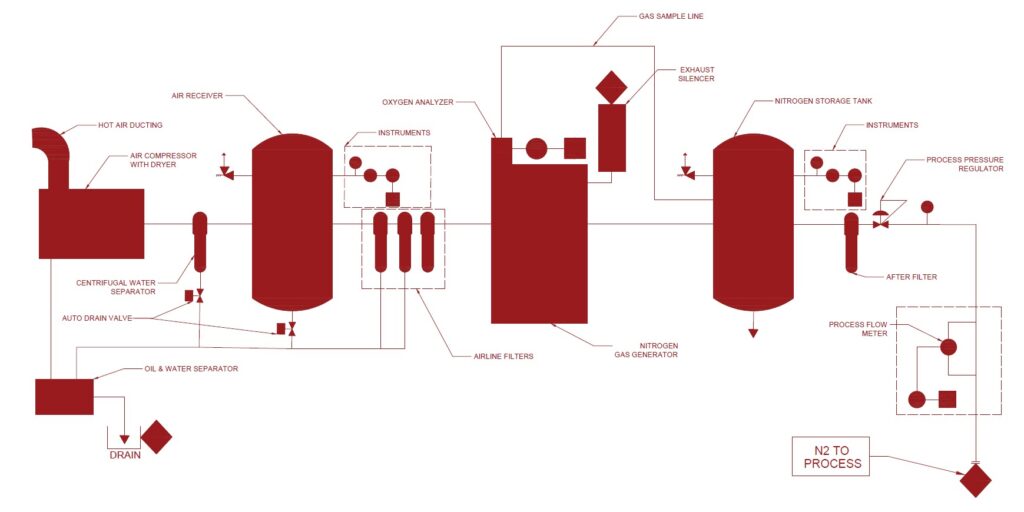
          Nitrogen gas generating systems are indispensable for industries ranging from food packaging and electronics manufacturing to chemical processing and aerospace. These systems offer a cost-effective, sustainable, and reliable source of high-purity nitrogen, eliminating the need for frequent cylinder replacements or liquid nitrogen deliveries. To understand their functionality, it is essential to explore the key components that constitute these systems.

          AIR COMPRESSOR: THE STARTING POINT

          The process begins with the air compressor, which draws in ambient air and compresses it to the pressure required for downstream operations. Modern compressors are designed for energy efficiency, and oil-lubricated or oil-free models are preferred based on applications. Ensuring the air compressor’s capacity matches the nitrogen gas generator’s requirements is crucial for optimal performance.

          AIR RECEIVER TANK

          The incoming compressed air from the compressor has some pressure pulsations. To reduce these pulsations, an air receiver is installed before the air is fed to the nitrogen generator. Condensed moisture is drained out through an Auto Drain Valve located at the bottom of the air receiver.

          AIR DRYER: REMOVING MOISTURE

          Compressed air contains moisture, which can adversely affect the system’s performance. Air dryers remove this moisture to ensure the reliability and longevity of the equipment. Refrigerated dryers are suitable for moderate dew point requirements, while desiccant dryers are used for applications needing ultra-dry air.

          Oil and Water Separator: Condensate Treatment

          An oil and water separator is used to treat condensate collected from the compressed air system. This device separates oil from water, ensuring that the discharge complies with environmental regulations. Proper treatment of condensate is essential for maintaining system efficiency and environmental responsibility.

          FILTRATION FOR gas PURITY

          Filtration is vital for removing particulates, oil, and other contaminants from compressed air. Coalescing filters target oil and water aerosols, particulate filters capture fine particles, and carbon filters eliminate hydrocarbon vapors, ensuring the system produces high-quality nitrogen gas.

          NITROGEN GENERATOR: THE CORE COMPONENT

          The nitrogen generator is the heart of the system, where nitrogen is separated from compressed air. Two common technologies are employed:

          • Pressure Swing Adsorption (PSA): Utilizes carbon molecular sieves to adsorb oxygen , leaving behind nitrogen. This method is ideal for high-purity nitrogen gas requirements.
          • Membrane Separation: Uses semi-permeable membranes to diffuse oxygen and water vapor out, producing nitrogen. Membrane systems are compact and suited for low to moderate purity levels.
          NITROGEN RECEIVER TANKS: ENSURING STEADY SUPPLY

          A low pressure nitrogen gas generating systems typically include two receiver tanks:

          • Air Receiver Tank: Buffers fluctuations in demand and ensures consistent airflow to the generator.
          • Nitrogen Receiver Tank: Stores generated nitrogen gas, providing a steady supply to applications.
          ADVANCED CONTROL SYSTEMS

          Modern systems feature control mechanisms to monitor and manage parameters like pressure, flow rate, and purity levels. Programmable Logic Controllers (PLCs) enable automation and remote monitoring, while user-friendly touchscreen interfaces simplify operation.

          PIPING AND VALVES: SEAMLESS INTEGRATION

          High-quality piping and valves are essential for efficient airflow. Using leak-proof fittings and corrosion-resistant materials ensures the system’s durability and effectiveness.

          PRESSURE REGULATION

          A pressure regulator maintains the correct delivery pressure of nitrogen, safeguarding sensitive equipment and ensuring consistent application performance.

          oxygen ANALYZER: ENSURING STANDARDS

          Oxygen analyzers verify the concentration of nitrogen, ensuring it meets required standards for specific industrial applications.

          OPTIONAL ACCESSORIES

          To enhance functionality, systems may include optional accessories such as gas flow meters to monitor nitrogen usage, alarms for low purity or low/high-pressure issues, and remote monitoring systems for real-time data access.

          Nitrogen gas generating systems are sophisticated assemblies of interconnected components designed to deliver high-quality nitrogen efficiently and reliably. Each component plays a pivotal role in the system’s overall functionality, making it essential for businesses to understand these building blocks. By doing so, they can select and maintain a nitrogen generation solution tailored to their unique needs.

          At Canada Gas Solutions, we specialize in providing perfectly designed nitrogen gas generating systems tailored to meet specific customer requirements. With our expertise in selecting and sizing components, we ensure that our systems are efficient, reliable, and optimized for the unique needs of each application. Let us help you achieve a seamless and sustainable nitrogen generation solution.

          Enquire Now

            Categories
            NITROGEN OXYGEN

            WHY ON-SITE GAS GENERATORS ARE A GAME-CHANGER FOR INDUSTRIAL GAS CONSUMERS

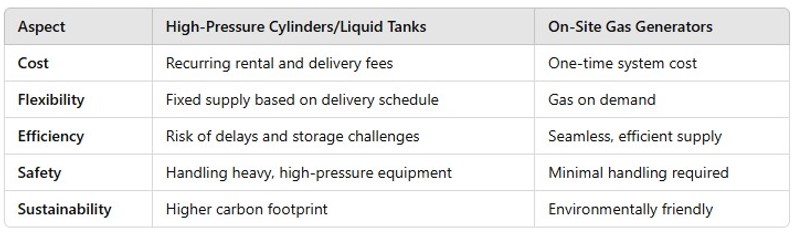
            For industries relying on nitrogen or oxygen in their operations, the traditional way of sourcing these gases often involves renting high-pressure cylinders or liquid nitrogen tanks. While this approach may seem straightforward, it comes with hidden costs, inefficiencies, and logistical challenges that can be avoided by using on-site nitrogen or oxygen gas generators.

            Here’s why every industrial gas consumer should compare these two options before making a decision and consider the benefits of generating gas on-site.

            TAILORED TO YOUR REQUIREMENTS:

            On-site gas generators produce nitrogen or oxygen precisely when and how you need it. This eliminates the risks of over-ordering or running out of gas. Whether you need a small, steady supply or a large volume for a high-demand process, on-site systems can be customized to match your operational needs. In contrast, cylinders or tanks often lock you into predetermined quantities, forcing you to pay for gas you might not use or scramble when supply runs low.

            SIGNIFICANT COST SAVINGS:

            Renting gas cylinders or tanks comes with recurring costs such as:

            • Delivery charges
            • Cylinder/tank rental fees
            • Handling and storage expenses

            With on-site gas generation, these costs disappear. Once installed, an on-site system draws ambient air and generates gas on demand. Many companies report recouping their initial investment in as little as 6–24 months through reduced operational costs. After that, the savings go straight to your bottom line.

            OPERATIONAL EFFICIENCY:

            When you rely on third-party suppliers, you’re also dependent on their schedules. Delayed deliveries can disrupt your operations. On-site systems eliminate this dependency, ensuring uninterrupted gas supply whenever you need it.

            Furthermore, handling high-pressure cylinders or liquid tanks requires special training and safety precautions, adding complexity to your operations. On-site systems simplify the process, reducing the risk of accidents and freeing up your workforce for more productive tasks.

            ENVIRONMENTALLY FRIENDLY:

            Switching to on-site gas generators reduces your carbon footprint. By cutting out the need for frequent gas deliveries and the energy-intensive liquefaction process used in tanks, your operations become significantly more sustainable.

            FUTURE-PROOF INVESTMENT:

            Industrial processes evolve, and so do gas requirements. On-site generators are scalable, allowing you to increase capacity as your business grows. This flexibility ensures your investment is future-proof and aligned with your long-term goals.

            WHY MAKE THE SWITCH?

            Here’s a quick comparison to illustrate the benefits:

            IS IT RIGHT FOR YOU?

            On-site gas generators are suitable for a wide range of industries, including:

            • Food and Beverage
            • Aquaculture
            • Hospitals
            • Waster Water Treatment
            • Pharmaceuticals
            • Metal fabrication
            • Electronics
            • Automotive

            If your business uses nitrogen or oxygen regularly, this solution can optimize your operations, improve cost-efficiency, and reduce environmental impact.

            Investing in an on-site gas generation system is a smart move for companies looking to take control of their industrial gas supply. With the ability to produce gas on demand, scale to meet your needs, and pay off the system cost within 6–24 months, this technology can revolutionize the way you operate.

            At Canada Gas Solutions Inc., we understand that every business is unique. That’s why we work closely with our customers to fully understand their process requirements, including gas consumption, purity, and pressure needs. Our team designs tailored solutions that seamlessly integrate with your operations, ensuring you get the most efficient and cost-effective system for your business.

            Stop relying on costly cylinders or tanks. Let Canada Gas Solutions help you explore the benefits of on-site gas generators and take the first step toward a more efficient, cost-effective, and sustainable future for your business. Reach out to us today!

            Enquire Now

              Categories
              NITROGEN

              THE IMPORTANCE OF NITROGEN GAS IN LASER CUTTING: PRECISION, EFFICIENCY, AND COST SAVINGS

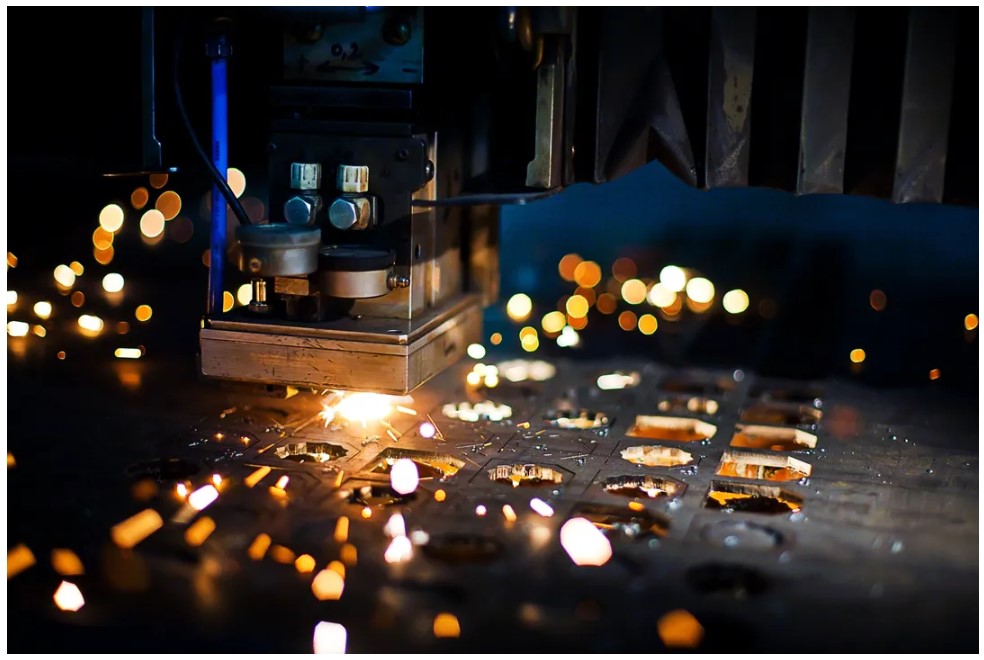
              Laser cutting has become an essential tool for industries requiring precise, high-quality cuts on metals such as aluminum, mild steel, and stainless steel. Central to this process is the use of high-pressure nitrogen gas, which enhances cut quality by preventing oxidation, enabling smoother edges, and ensuring a polished finish. While traditional nitrogen supply methods like high-pressure cylinders or liquid nitrogen tanks have been the norm, onsite gas generation systems are redefining how manufacturers approach gas supply, offering unmatched efficiency and cost savings.

              WHY HIGH-PRESSURE NITROGEN GAS IS ESSENTIAL FOR LASER CUTTING :

              In laser cutting, high-pressure nitrogen gas serves as a shielding agent that displaces oxygen around the cut area. This prevents oxidation, improves cut quality, and maintains the metal’s physical and aesthetic properties.

              • Aluminum Cutting:
                Nitrogen ensures a clean, reflective finish by eliminating oxidation, which is critical for applications in automotive, aerospace, and electronics industries.
              • Mild Steel Cutting:
                While oxygen is often used for speed, nitrogen is preferred when oxide-free, high-quality edges are required for parts undergoing additional treatments or used in visible applications.
              • Stainless Steel Cutting:
                Nitrogen prevents discoloration and preserves the material’s corrosion resistance, making it ideal for decorative and structural uses.
              ONSITE NITROGEN GENERATORS: THE FUTURE OF GAS SUPPLY

              HIGH PRESSURE N2 CYLINDERS

              LIQUID NITROGEN TANK

              Traditional nitrogen supply methods, such as high-pressure cylinders or liquid nitrogen tanks, come with several challenges: high costs, logistical complexities, and potential supply disruptions. Onsite nitrogen generation systems offer a transformative alternative, producing high-pressure nitrogen gas directly at the point of use.

              ONSITE NITROGEN GAS GENERATOR

              Benefits of Onsite Nitrogen Gas Generators:

              • Unmatched Cost Savings:
                By eliminating recurring expenses for transport, cylinder handling, and storage, manufacturers can save up to 90% on nitrogen costs.
              • Customizable Pressure and Purity:
                Advanced generators provide nitrogen at pressures and purities tailored to specific cutting needs, ensuring optimal performance for aluminum, mild steel, and stainless steel.
              • Consistent Supply:
                Onsite systems ensure a continuous flow of nitrogen gas, eliminating the downtime risks associated with delayed cylinder deliveries or empty tanks.
              • Reduced Environmental Impact:
                Onsite generation reduces the carbon footprint associated with the transportation and storage of nitrogen, aligning with sustainability goals.
              CANADA GAS SOLUTIONS: TAILORING NITROGEN SUPPLY FOR YOUR LASER CUTTING NEEDS:

              At Canada Gas Solutions, we understand the critical role that high-pressure nitrogen gas plays in achieving precise, high-quality cuts in metal fabrication. Our team works closely with manufacturers to assess their laser cutting requirements and recommend nitrogen purity levels to meet specific cut quality standards.

              Whether you’re cutting aluminum, mild steel, or stainless steel, we provide tailored solutions with onsite nitrogen gas generators that deliver unmatched cost savings, efficiency, and reliability. Say goodbye to the hassles of cylinder management or liquid nitrogen tanks—our systems ensure you have the right purity and pressure of nitrogen gas whenever you need it.

              Enquire Now

                Categories
                NITROGEN OXYGEN

                ONSITE GAS GENERATION VS. TRADITIONAL GAS PROCUREMENT METHODS

                In industrial settings, the need for gases like nitrogen and oxygen is ubiquitous, spanning various applications from manufacturing to healthcare. Traditionally, industrial gas consumers have relied on high-pressure cylinders or bulk liquid tanks to meet their gas requirements. However, the landscape is evolving, with onsite gas generation emerging as a cost-effective and efficient alternative. Let’s explore the pros of onsite nitrogen/oxygen gas generation and the cons of purchasing high-pressure cylinders or bulk liquid tanks, highlighting how industrial gas consumers can save money and achieve a rapid Return on Investment (ROI) within 6-24 months.

                onsite gas generation:

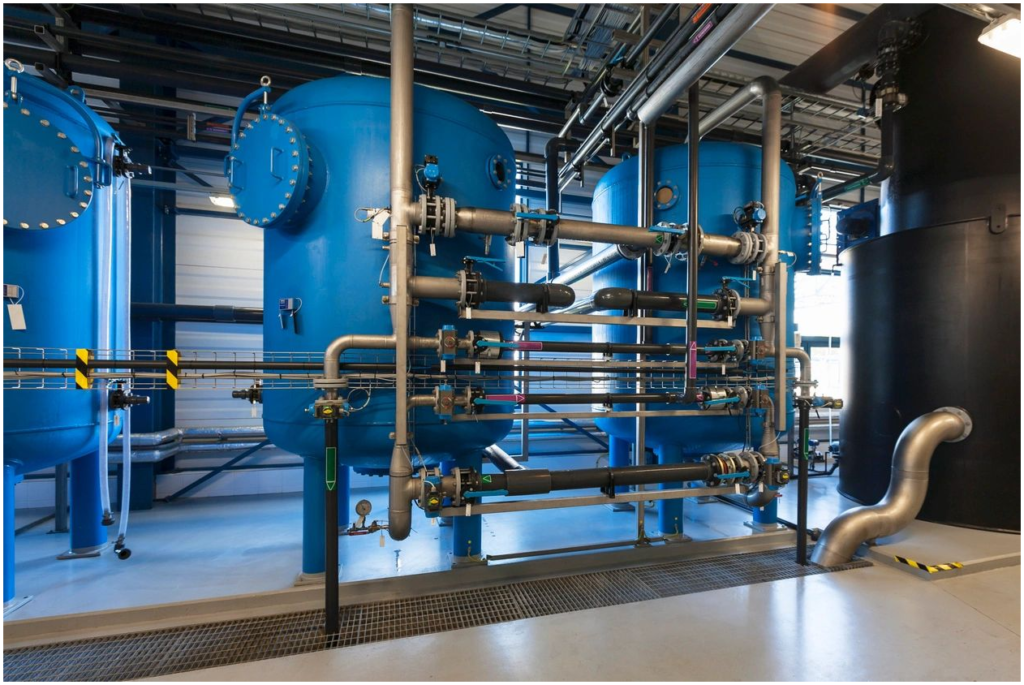
                STATIONARY ON-SITE GAS SYSTEM

                CONTAINERIZED ON-SITE GAS SYSTEM

                Cost Efficiency:

                Onsite gas generation eliminates the need for repeated purchases of high-pressure cylinders or bulk liquid tanks, which often incur transportation, handling, and rental costs. Once the initial investment in onsite gas generation equipment is made, the cost per unit of gas produced significantly decreases, leading to substantial savings in the long run.

                Supply Reliability:

                With onsite generation, companies have greater control over their gas supply, reducing the risk of unexpected shortages or disruptions. This reliability translates into improved operational continuity, ensuring uninterrupted production processes and minimizing downtime.

                Customization & Scalability:

                Onsite gas generation systems can be tailored to specific consumption requirements, allowing companies to produce the exact quantity of gas needed on-demand. Moreover, these systems are highly scalable, enabling businesses to adjust production capacity according to fluctuating demands without relying on external suppliers.

                Safety and Environmental Benefits: Onsite generation eliminates the hazards associated with transporting and handling high-pressure cylinders or bulk liquid tanks. Additionally, it reduces the carbon footprint by minimizing the need for frequent deliveries and decreasing reliance on fossil fuel-powered transportation.

                Traditional Gas Procurement Methods:

                COMPRESSED GAS CYLINDERS

                ON-SITE GAS GENERATION SYSTEM

                LIQUID BULK TANK

                High Operating Cost:

                Purchasing gases in high-pressure cylinders or bulk liquid tanks entails recurring expenses, including rental fees, delivery charges, and handling costs. Over time, these expenses can accumulate, significantly impacting the overall operational budget.

                Supply Chain Vulnerability:

                Reliance on external suppliers for gas procurement exposes companies to supply chain vulnerabilities, such as transportation delays, logistical challenges, and market fluctuations. Any disruption in the supply chain can disrupt operations and lead to costly downtime.

                Storage and Handling Challenges:

                Storing and handling high-pressure cylinders or bulk liquid tanks require dedicated infrastructure and safety measures, which can consume valuable floor space and resources. Moreover, the handling of these containers poses inherent risks to personnel safety.

                Environmental Impact:

                Traditional gas procurement methods contribute to environmental pollution through emissions from transportation vehicles and energy-intensive production processes. Additionally, the disposal of empty cylinders or tanks raises concerns regarding waste management and environmental sustainability.

                Achieving Cost Savings and Return on Investment:

                The transition to onsite gas generation offers a compelling opportunity for industrial gas consumers to optimize their expenditure and realize a rapid ROI within 6-24 months. By investing in modern generation technology, companies can:

                • Minimizing Operational Costs: Eliminate recurring expenses associated with traditional procurement methods, leading to significant cost savings over time.
                • Enhance Operational Efficiency: Improve supply reliability, reduce downtime, and streamline production processes, thereby maximizing overall operational efficiency.
                • Mitigate Risks: Decrease dependency on external suppliers, mitigate supply chain risks, and enhance safety and environmental compliance.
                • Future-Proof Investments: Embrace sustainable practices, reduce carbon footprint, and position themselves for long-term growth and competitiveness in a rapidly evolving market.

                The advantages of onsite nitrogen/oxygen gas generation are clear: cost efficiency, supply reliability, customization, scalability, safety, and environmental benefits. By contrast, traditional gas procurement methods pose challenges in terms of operating costs, supply chain vulnerability, storage, handling, and environmental impact. Industrial gas consumers can achieve substantial cost savings and a rapid ROI by transitioning to onsite generation, thereby unlocking greater efficiency, reliability, and sustainability in their operations.

                Enquire Now

                  Categories
                  NITROGEN OXYGEN

                  THE CRUCIAL ROLE OF COMPRESSED AIR QUALITY IN ON-SITE NITROGEN & OXYGEN GAS GENERATION

                  In industries ranging from pharmaceuticals, food packaging to aquaculture, onsite nitrogen and oxygen gas generation systems have become indispensable. These systems offer efficiency, cost-effectiveness, and a reliable source of gases critical for various applications. However, behind their seamless operation lies a crucial factor often overlooked: compressed air quality. The quality of compressed air used as feedstock profoundly impacts the performance and longevity of nitrogen and oxygen generators. Here, we delve into the significance of compressed air quality and the imperative need for periodic maintenance to ensure optimal system functionality.

                  Understanding Compressed Air Quality:

                  Compressed air serves as the primary feedstock for on-site nitrogen and oxygen gas generators. It acts as the carrier gas for the separation process, facilitating the extraction of nitrogen or oxygen molecules from the surrounding air. However, the quality of compressed air directly affects the purity and efficiency of the generated gases.

                  Importance of Inlet Filtration:

                  Inlet filtration plays a pivotal role in maintaining the purity of compressed air. Contaminants such as dust, oil aerosols, water vapor, and particulate matter present in the compressed air can compromise the performance of on-site gas generation systems. These contaminants, if left unfiltered, can accumulate within the system, leading to fouling of components, decreased efficiency, and potential damage to delicate membranes and adsorbents.

                  Regular maintenance of inlet filtration systems is essential to prevent the ingress of contaminants into the gas generation equipment. High-quality filters, including coalescing filters and particulate filters, effectively remove impurities, ensuring clean and dry compressed air enters the system. By safeguarding against contamination, inlet filtration safeguards the integrity and purity of the generated nitrogen and oxygen gases.

                  Ensuring Correct Dewpoint:

                  REFRIGERATED AIR DRYER

                  DESICCANT AIR DRYER

                  Another critical aspect of compressed air quality is the dewpoint, which measures the moisture content present in the compressed air. Elevated levels of moisture can adversely impact the performance of gas generation systems, particularly those utilizing pressure swing adsorption (PSA) or membrane technology.

                  Excessive moisture in the compressed air stream can lead to the formation liquid water within the system, causing blockages, corrosion, and operational disruptions. Moreover, water vapor can hinder the adsorption process, reducing the efficiency of nitrogen or oxygen separation.

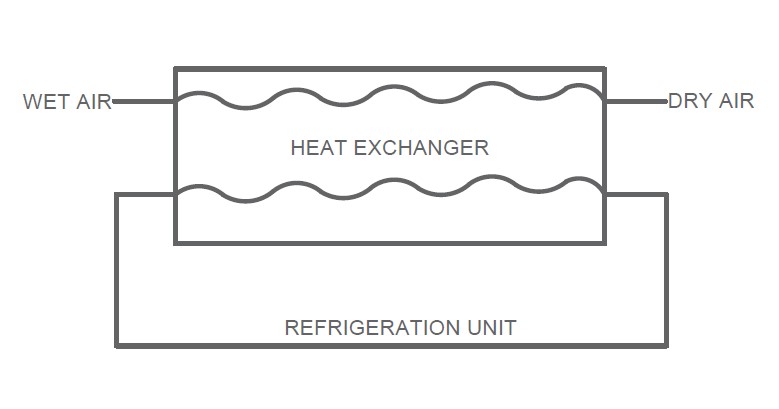
                  Maintaining the correct dewpoint of compressed air is imperative to prevent these issues. Refrigerated or desiccant air dryers are commonly employed to achieve dewpoint levels suitable for gas generation applications. Regular monitoring and maintenance of these dryers ensure that the compressed air supplied to the gas generation system remains within the specified dewpoint range, thereby optimizing system performance and reliability.

                  The need for Periodic Maintenance:

                  Periodic maintenance of compressed air quality is essential to sustain the efficiency and longevity of on-site nitrogen and oxygen gas generation systems. Routine inspection and replacement of inlet filters, along with monitoring and adjustment of dewpoint levels, mitigate the risk of contamination and ensure consistent operation.

                  Failure to maintain proper compressed air quality can result in increased energy consumption, diminished gas purity, and costly downtime due to equipment failures. By prioritizing the quality of compressed air fed into gas generation systems and implementing regular maintenance practices, industries can maximize the productivity and profitability of their onsite gas production operations.

                  In conclusion, the quality of compressed air is a critical factor in the performance and reliability of onsite nitrogen and oxygen gas generation systems. By investing in high-quality inlet filtration and ensuring the correct dewpoint of compressed air, industries can safeguard against contamination and optimize the efficiency of gas separation processes. Periodic maintenance of compressed air quality is essential to prevent operational disruptions and maintain the integrity of gas generation equipment. By prioritizing compressed air quality, industries can harness the full potential of onsite gas generation technology to meet their diverse application needs efficiently and cost-effectively.

                  Enquire Now
                    Categories
                    OXYGEN

                    UNLOCKING THE POTENTIAL OF NANOBUBBLE TECHNOLOGY IN WASTEWATER TREATMENT: THE SIGNIFICANCE OF OXYGEN GAS AND ON-SITE OXYGEN GAS GENERATION

                    In the ever-evolving landscape of wastewater treatment, the quest for efficient, sustainable, and cost-effective methods remains paramount. Amidst this pursuit, nanobubble technology has emerged as a promising contender, offering innovative solutions to some of the most pressing challenges in water purification. Central to its efficacy is the utilization of oxygen gas, whose role in enhancing treatment processes cannot be overstated. Furthermore, the adoption of on-site oxygen gas generation represents a paradigm shift in wastewater treatment, providing unparalleled advantages in terms of flexibility, reliability, and environmental impact.

                    Understanding Nanobubble Technology:

                    Nanobubbles, as the name suggests, are tiny gas bubbles with diameters typically less than 1000 nanometers. Their minute size grants them unique properties, including prolonged stability and increased surface area, which make them highly effective in various industrial applications, particularly in water treatment. In the context of wastewater remediation, nanobubbles hold immense potential due to their ability to carry and deliver gases such as oxygen deep into the water column, facilitating crucial biochemical processes.

                    The significance of Oxygen Gas:

                    Oxygen plays a pivotal role in wastewater treatment by promoting aerobic microbial activity, which is essential for the breakdown of organic pollutants. In conventional treatment systems, oxygen is typically supplied through mechanical aeration methods. However, these approaches often suffer from inefficiencies, including high energy consumption and limited oxygen transfer rates. Herein lies the significance of nanobubble technology, which offers a more efficient means of oxygen delivery, thanks to the enhanced dissolution and prolonged retention of nanobubbles in water. By introducing oxygen in the form of nanobubbles, wastewater treatment facilities can achieve higher oxygen transfer efficiencies, leading to improved pollutant removal rates and overall system performance. Moreover, the small size of nanobubbles allows them to penetrate deep into biofilms and porous media, reaching areas inaccessible to conventional aeration methods, thereby ensuring more thorough and comprehensive treatment.

                    On-site oxygen gas generation:

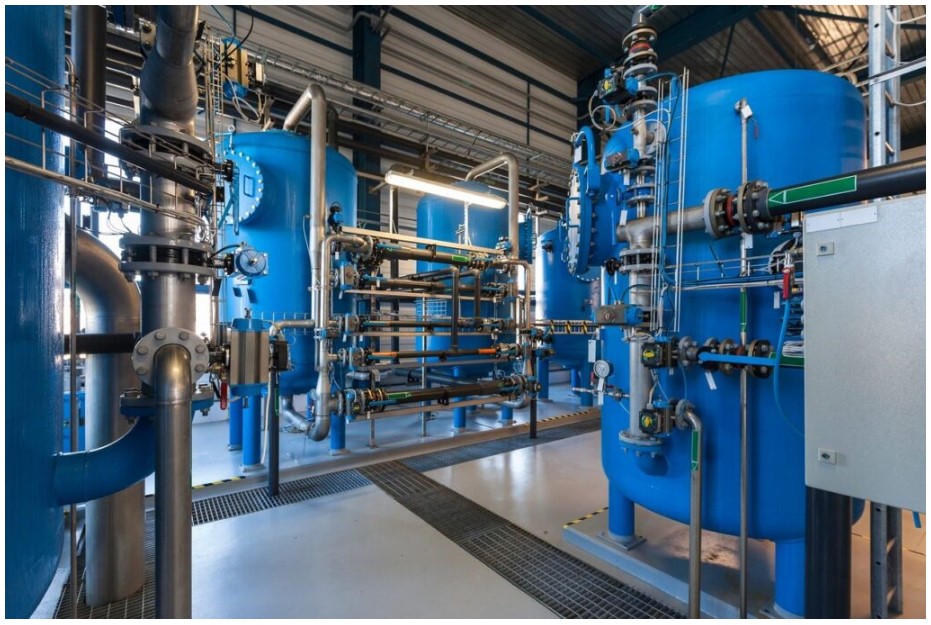
                    ON-SITE OXYGEN GAS GENERATING SYSTEM

                    While the benefits of utilizing oxygen gas in wastewater treatment are clear, the logistics of sourcing and transporting large quantities of oxygen present logistical and economic challenges. This is where on-site oxygen gas generation technologies come into play, offering a decentralized approach that minimizes dependence on external suppliers and reduces transportation costs and carbon footprint associated with oxygen delivery.

                    On-site oxygen generation systems utilize air separation techniques such as pressure swing adsorption (PSA) or vacuum pressure swing adsorption (VPSA) to extract oxygen from atmospheric air. By producing oxygen on-demand at the treatment site, these systems provide greater flexibility and reliability, ensuring a continuous supply of oxygen tailored to the specific needs of the treatment process. Additionally, on-site gas generation eliminates the risks associated with storing and handling compressed oxygen cylinders, enhancing safety and operational efficiency.

                    SUSTAINABLE APPROACH

                    In the quest for sustainable and efficient wastewater treatment solutions, nanobubble technology emerges as a transformative innovation, leveraging the unique properties of nanobubbles to enhance oxygen delivery and optimize treatment processes. Central to the success of this approach is the adoption of on-site oxygen generation, which offers unparalleled advantages in terms of reliability, flexibility, and environmental sustainability. As wastewater treatment facilities increasingly embrace the principles of circular economy and resource optimization, the integration of nanobubble technology and on-site oxygen generation is poised to play a pivotal role in shaping the future of water management and environmental stewardship.

                    Enquire Now